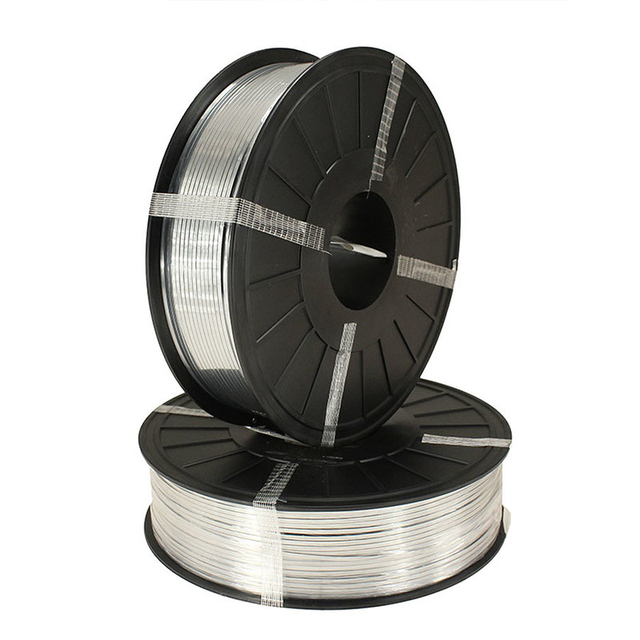
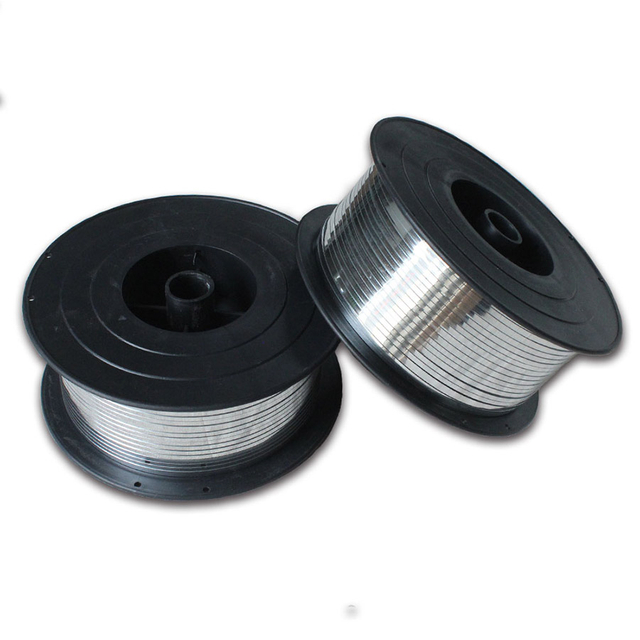
Stitching Wire Manufacturer for Bookbinding and Packaging
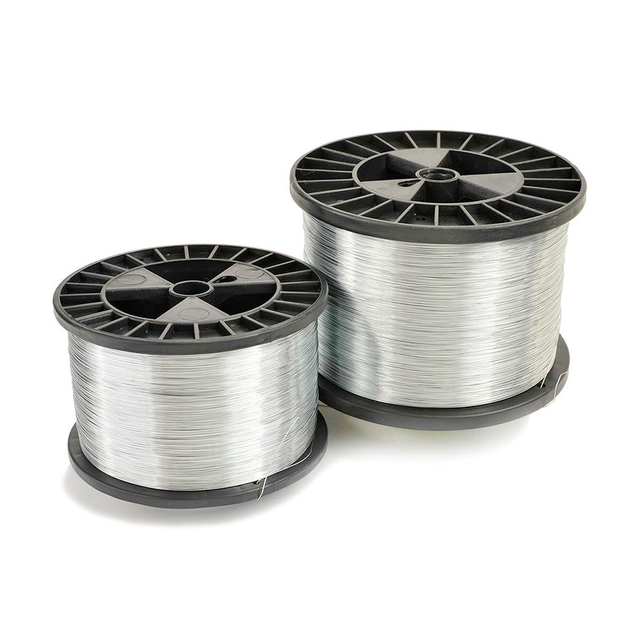
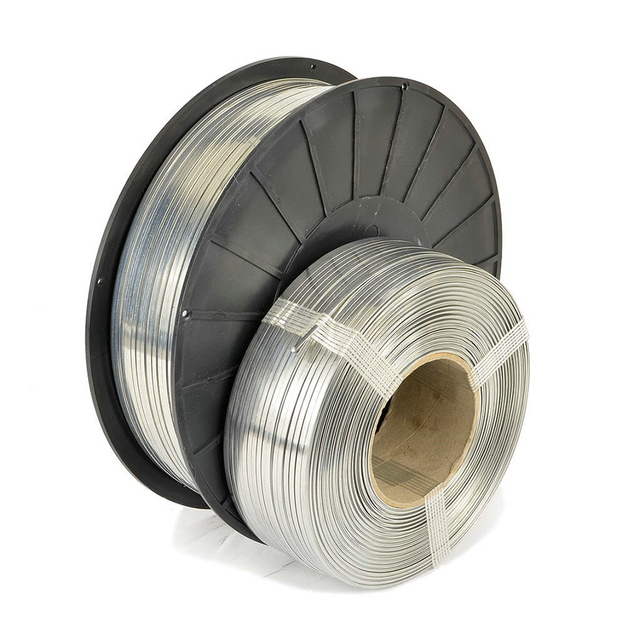
KYA supplies stitching wire for commercial bookbinding, saddle stitching, side stitching, corrugated carton closing and industrial packaging operations. Our range includes round stitching wire and flat stitching wire in different wire gauges, coatings and spool configurations for compatible stitching machinery.
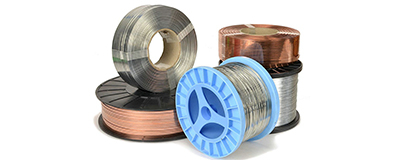
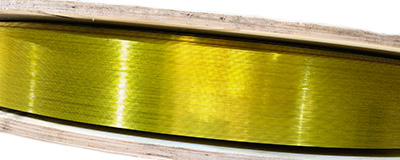
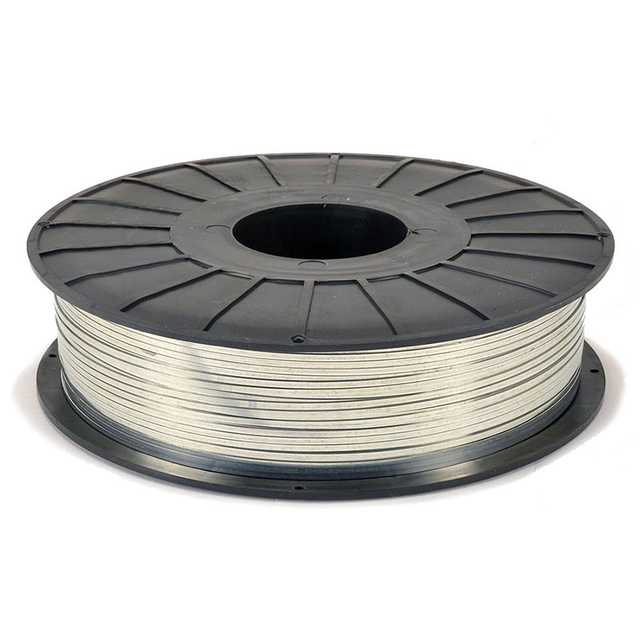
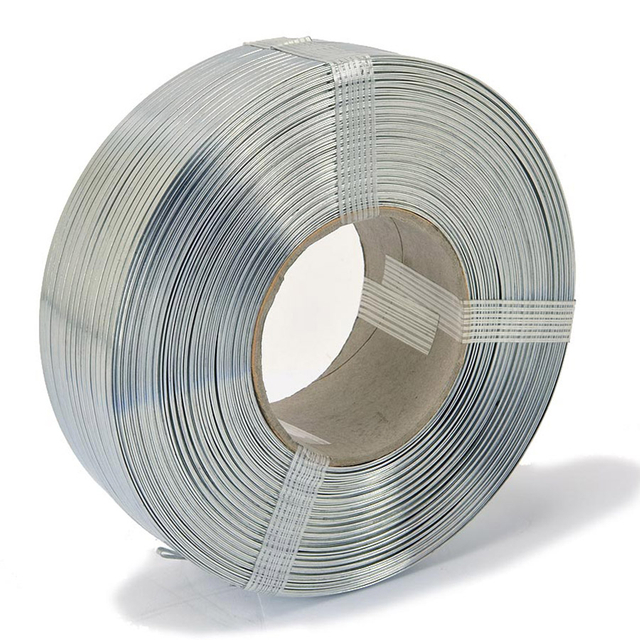
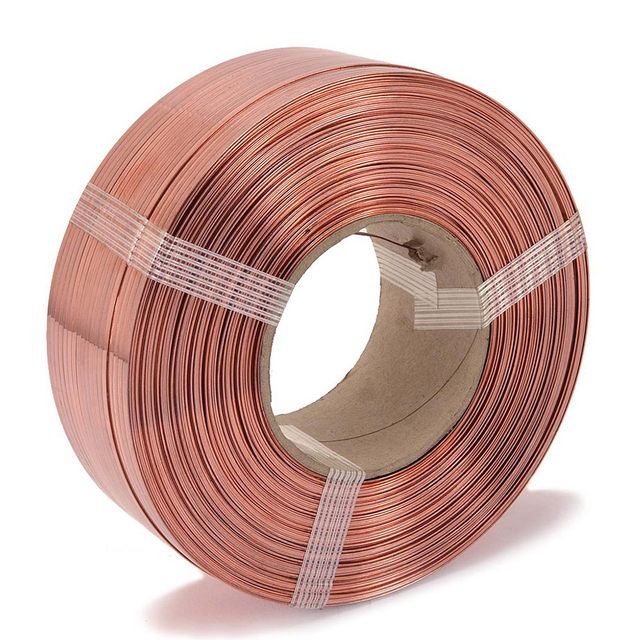
The product selection includes galvanized round stitching wire in commonly specified gauges, flat wire products with rectangular cross-sections, and selected copper-coated and brass-colored wire products. Buyers can compare wire diameter, width, thickness, tensile strength and spool format according to the machine and application.
KYA supplies printing companies, commercial binderies, corrugated box manufacturers, carton converters, industrial packaging businesses and stitching wire distributors. For production purchasing, select the wire according to the stitcher model, wire forming requirements, material thickness and required spool specifications.
Stitching wire is steel wire supplied for machines that form and drive wire stitches through printed documents, paperboard or corrugated packaging. During operation, the stitching head feeds a controlled length of wire, cuts it, forms it into a fastening shape and drives it through the material before clinching the wire ends.
Different stitching operations require different wire properties. Round stitching wire is commonly used for bookbinding, print finishing and certain carton applications, while flat stitching wire may be specified for corrugated carton closing and other industrial stitching processes.
Wire diameter, tensile strength, ductility, coating quality, winding consistency and feed-system compatibility affect stitch formation. The correct specification must match the stitching head and the material being fastened.
Types of Stitching Wire Available from KYA
Round Stitching Wire
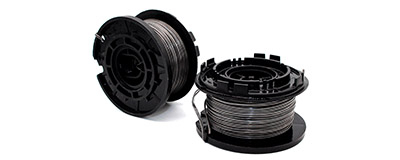
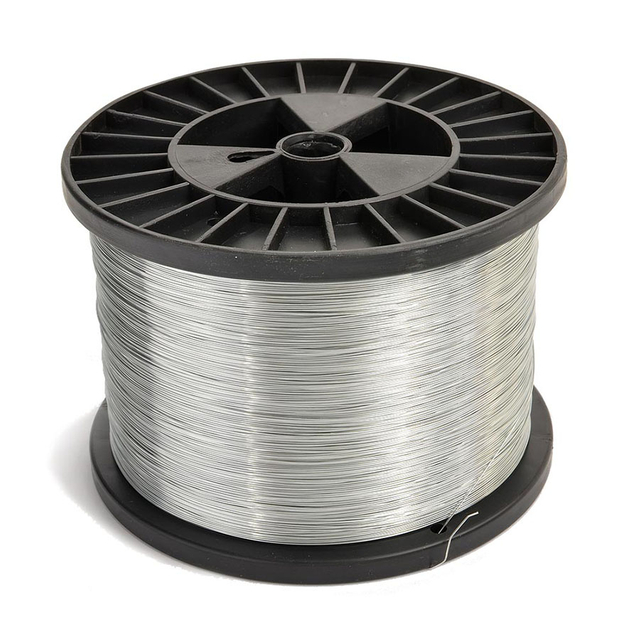
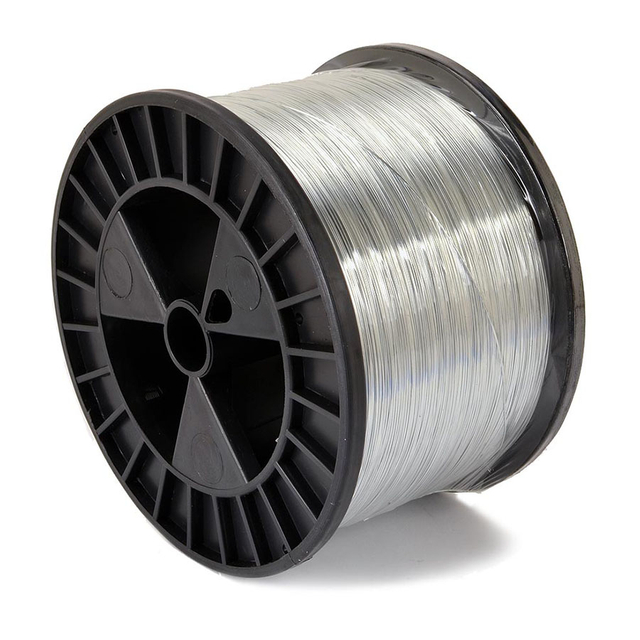
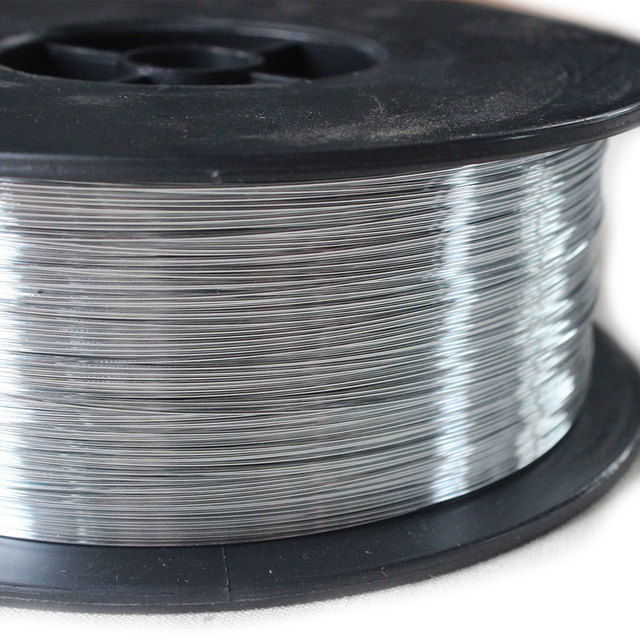
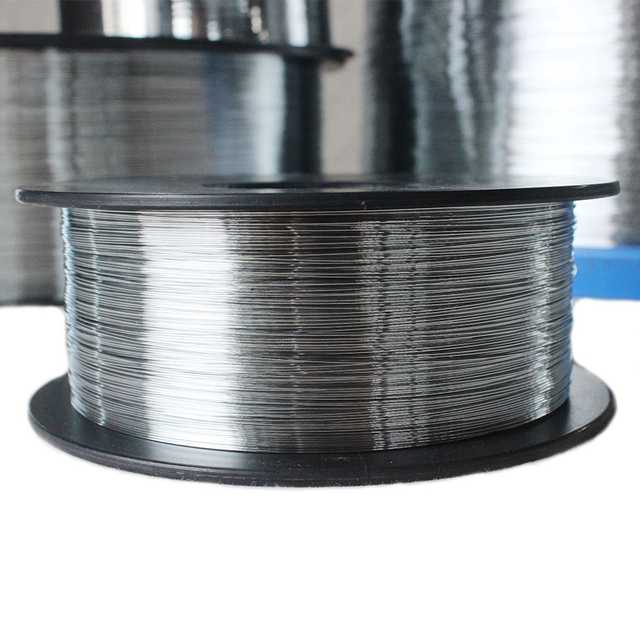
Round stitching wire has a circular cross-section and is widely used in compatible saddle stitchers, side stitchers and other bookbinding equipment. It is also used in selected carton stitching and packaging machines.
KYA lists round stitching wire in several gauge sizes, including 21, 22, 23, 24, 25, 26 and 27 Gauge. The original category specification chart also provides round-wire reference dimensions from Gauge 21 to Gauge 30 under different measurement systems.
Gauge numbers must be interpreted together with their measurement standard. Confirm the required wire diameter in millimeters and the specified tolerance before ordering replacement wire for a stitching machine.
Flat Stitching Wire
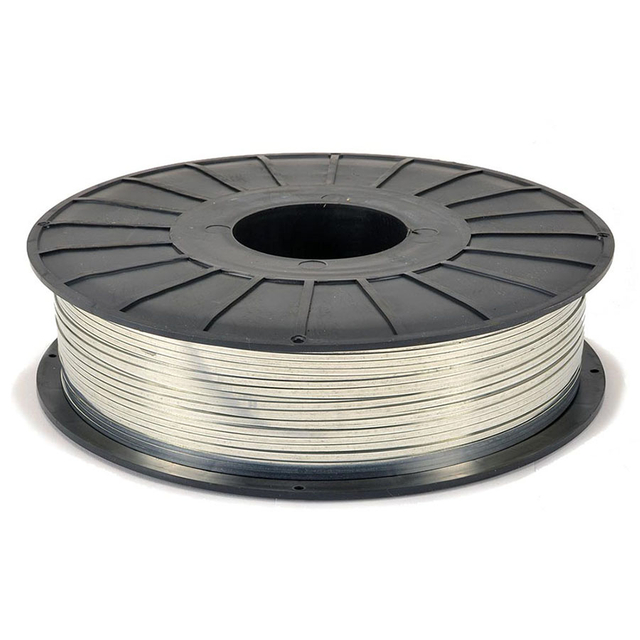
Flat stitching wire has a rectangular cross-section with a specified width and thickness. It is used in selected corrugated carton stitchers, box-making machines and industrial binding applications where flat-wire geometry is required.
KYA's published range includes 18×20, 19×21.5, 19.5×21, 20×24, 20×25 and 21×25 flat wire specifications. These sizes must be selected according to the machine's feed rollers, cutters, stitching head and work thickness.
Galvanized Stitching Wire
Galvanized stitching wire has a zinc-based surface coating that provides corrosion protection under suitable service conditions. KYA lists galvanized round and flat stitching wire for bookbinding and corrugated packaging applications.
Buyers should confirm wire dimensions, coating specification, surface condition and the required tensile and forming properties for the stitching machine.
Copper-Coated and Other Finished Stitching Wire
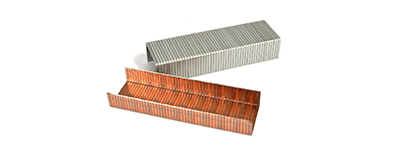
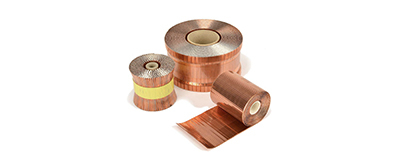
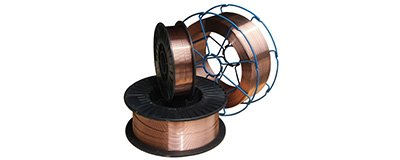
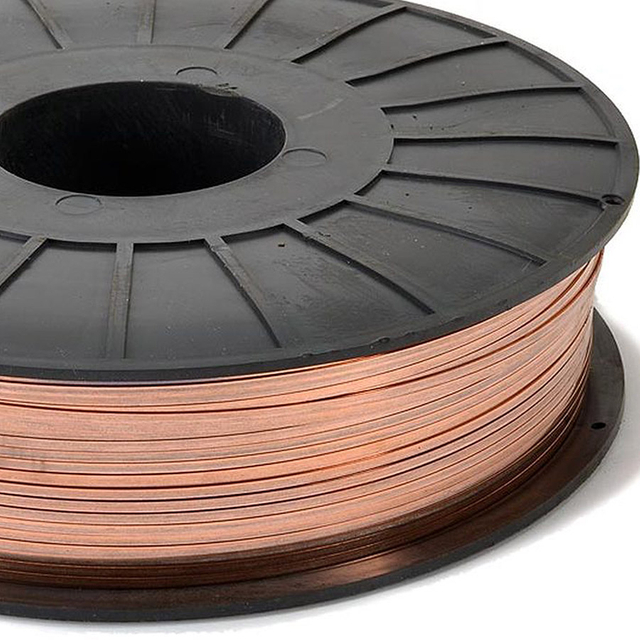
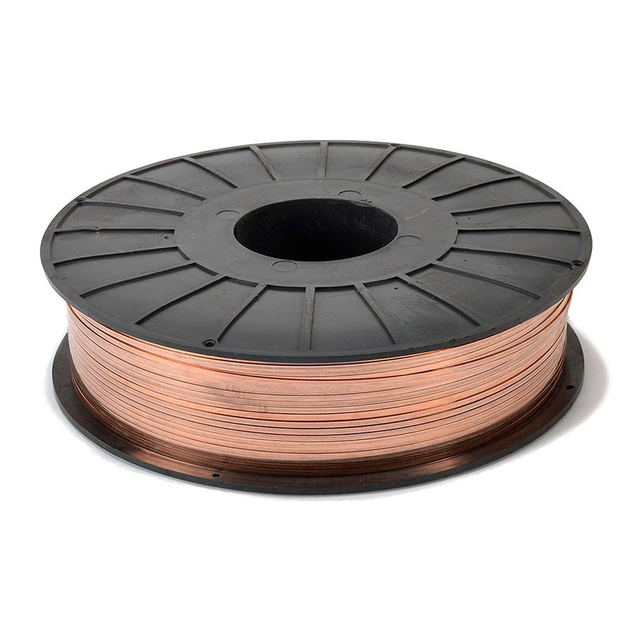
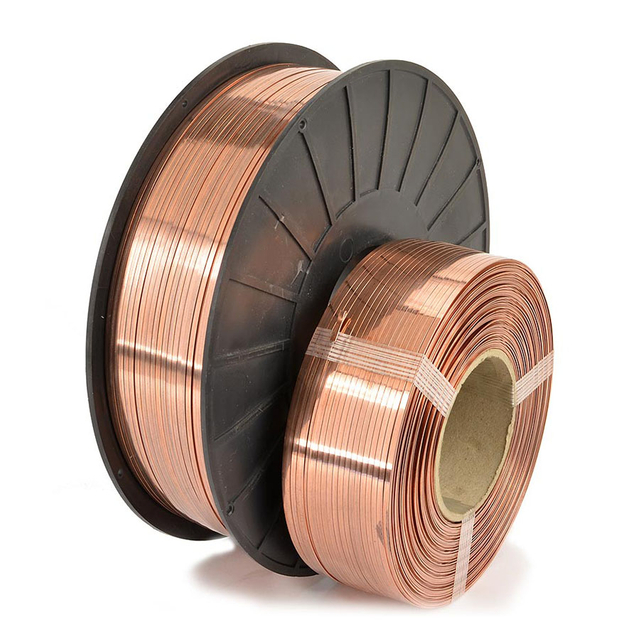
KYA also lists selected copper-coated flat stitching wire and brass-related wire products. Surface finishes can be specified according to wire handling, appearance and the requirements of the finished product.
Confirm the exact coating or wire material for the selected product. Color or product naming alone should not be used to determine material composition or corrosion resistance.
Round Stitching Wire Gauge and Diameter Chart
The following chart preserves KYA's published round stitching wire reference data. German Wire Gauge, ASWG and BWG use different diameter assignments, so the same gauge number does not necessarily indicate the same millimeter diameter.
Gauge
German (mm)
German (m/kg)
ASWG (mm)
ASWG (m/kg)
ASWG (ft/lb)
BWG (mm)
BWG (m/kg)
BWG (ft/lb)
21
0.80
253
0.81
247
368
0.81
247
368
22
0.75
288
0.73
304
452
0.71
322
479
23
0.65
331
0.65
384
571
0.63
409
609
24
0.60
451
0.58
482
717
0.56
517
769
25
0.55
536
0.52
600
893
0.51
624
929
26
0.50
649
0.46
767
1141
0.46
767
1141
27
0.45
801
0.44
838
1247
0.41
965
1436
28
0.40
1014
0.41
965
1436
0.36
1252
1863
29
0.37
1185
0.38
1123
1671
0.33
1489
2216
30
0.35
1324
0.36
1252
1863
0.30
1802
2682
The figures above are reference values from the published KYA category chart. Wire length per unit mass is affected by actual diameter, metal density and coating. Where dimensional or weight-based values are used for purchasing, confirm the data from the current specification of the selected wire grade.
Flat Stitching Wire Sizes and Applications
KYA's flat stitching wire range includes rectangular wire sections for compatible industrial stitching machinery. The chart below retains the published metric sizes, estimated wire length per pound and application thickness guidance.
Flat Wire Gauge
Nominal Width × Thickness
Feet per Pound
Published Work Thickness Guide
18 × 20
1.20 × 0.90 mm
221
5/8"–2"
19 × 21.5
1.05 × 0.75 mm
283
1/2"–1"
19.5 × 21
0.95 × 0.80 mm
283
1/2"–1"
20 × 24
0.90 × 0.60 mm
408
Up to 3/16"
20 × 25
0.90 × 0.55 mm
455
1/8"–5/8"
21 × 25
0.80 × 0.55 mm
559
1/16"–1/2"
The work-thickness ranges are reference guidance from the published product table, not guaranteed capacities for every stitching machine. Confirm machine capability, material density, stitch geometry and clinching requirements before specifying a wire size.
Stitching Wire Tensile Strength and Forming Performance
Tensile strength is an important mechanical property of stitching wire, but stitch quality also depends on wire ductility, surface condition, diameter tolerance and the forming characteristics of the stitching machine.
The KYA category information lists a general tensile strength reference range of 135,000–165,000 PSI. The exact required tensile range should be confirmed for the wire diameter, coating, forming method and the intended machine.
Wire that is too hard for a particular stitching head may cause forming difficulties, while wire with unsuitable mechanical properties may deform incorrectly or produce inconsistent stitches. Proper specification matching is necessary for reliable production.
Stitching Wire Spools and Packaging Formats
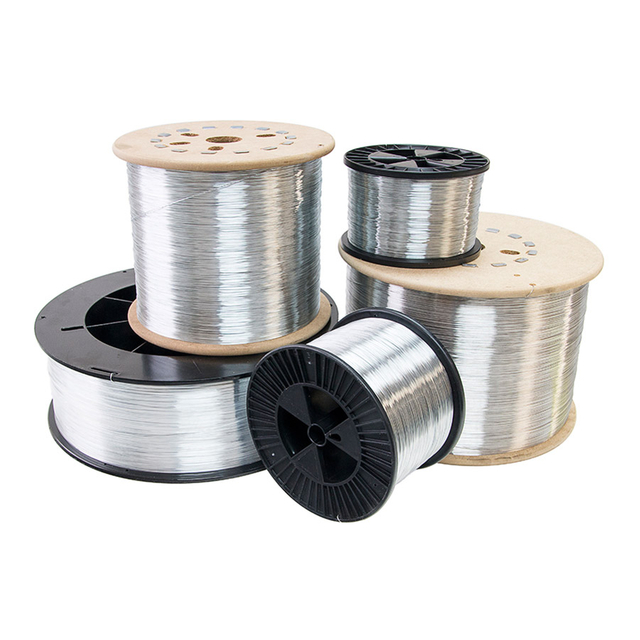
Stitching wire is supplied in spools for compatible machine feeding systems. Spool size and winding condition affect wire pay-off, changeover procedures and production handling.
KYA's published category information describes spool weights ranging from 5 lb to 1600 lb across different supply formats, while individual product listings include 5 lb spools and a 90 kg spool product. Available spool configurations must be checked for the exact wire grade and order.
Spool Information
What Buyers Should Confirm
Net Wire Weight
Required weight per spool and available product packing
Spool Dimensions
Outer diameter, core diameter and spool width
Pay-Off Direction
Feed arrangement required by the stitching machine
Winding Condition
Even winding and compatibility with the wire feed system
Packaging
Spools per carton, pallet configuration and labeling
Applications of Stitching Wire
Saddle Stitching for Magazines and Catalogs
Round stitching wire is used in compatible saddle-stitching machines to fasten folded printed sheets along the booklet spine. Common products include magazines, catalogs, brochures and instruction booklets.
Side Stitching and Bookbinding
Stitching wire can be used for side stitching and other mechanical bookbinding operations where stacks of printed sheets are fastened along an edge. The selected wire must match the paper thickness and machine setup.
Corrugated Carton and Box Stitching
Flat and round stitching wire may be specified for corrugated box stitching machines to join suitable carton panels or form carton seams. The wire dimensions and stitch design should match the corrugated board thickness and stitching equipment.
Industrial Packaging and Mattress-Related Applications
Selected stitching wire products are used in compatible industrial packaging and mattress-related fastening processes. Suitability depends on the exact machine, wire specifications and material being fastened.
How to Choose Stitching Wire for Your Machine
Before purchasing stitching wire, identify the machine requirements, wire profile, material thickness and production application.
Wire shape: Round or flat cross-section as specified by the stitching head
Wire gauge: Confirm the gauge system and exact millimeter dimensions
Mechanical properties: Required tensile strength and forming characteristics
Surface finish: Galvanized, copper-coated or other specified finish
Work thickness: Actual paper, paperboard or carton thickness
Stitching head: Manufacturer, machine model and approved wire range
Spool: Weight, flange dimensions, core size and pay-off direction
Production requirements: Expected output and maintenance procedures
Inconsistent feeding may result from incorrect wire size, spool winding problems, machine alignment, worn guides or unsuitable forming properties. The wire and feeding equipment should be evaluated together.
Download KYA Stitching Wire Catalogue
For additional wire specifications and product references, consult the KYA wire catalogue. Confirm the latest technical data for the selected wire model before ordering.
Wholesale Stitching Wire for Printing and Packaging
KYA supplies stitching wire to printing companies, bookbinding manufacturers, corrugated carton factories, packaging machine operators and industrial wire distributors.
For a wholesale quotation or replacement wire inquiry, please provide:
Round or flat stitching wire
Wire gauge and required metric diameter or cross-section
Required tensile strength and tolerance
Material and surface coating
Stitching machine manufacturer and model
Paper, paperboard or carton application
Required spool weight and spool dimensions
Order quantity and packaging requirements
Destination country and delivery requirements
A current wire sample, equipment manual or dimensional drawing can help confirm the correct specification. KYA can review the requested product and provide available technical and quotation information.
Stitching wire is used in compatible machines for saddle stitching, side stitching, bookbinding, corrugated carton closing and selected industrial packaging processes.
What is the difference between round and flat stitching wire?
Round wire has a circular cross-section, while flat wire has a rectangular cross-section. The correct format depends on the stitching head, forming mechanism and application.
What gauge sizes does KYA supply?
KYA lists round stitching wire products in multiple gauges, including 21–27 Gauge, and flat-wire products including 18×20, 19×21.5, 19.5×21, 20×24, 20×25 and 21×25.
Does the same gauge number always mean the same wire diameter?
No. German Wire Gauge, ASWG and BWG can use different diameters for the same nominal gauge number. Always confirm the actual diameter in millimeters and the required tolerance.
What finishes are available for stitching wire?
KYA lists galvanized, copper-coated and selected brass-related wire products. The available material, coating and color depend on the specific wire model.
What tensile strength is required for stitching wire?
The required tensile strength depends on the wire dimensions, stitching head and material being fastened. KYA's category information provides a general reference range of 135,000–165,000 PSI, but individual product specifications must be confirmed.
Which stitching wire is suitable for bookbinding?
Round stitching wire in compatible gauge sizes is commonly used for saddle and side stitching. The correct diameter depends on document thickness, machine requirements and stitch design.
Which wire is used for corrugated carton stitching?
Flat stitching wire and selected round wire products are used in carton stitching equipment. Confirm wire dimensions and forming requirements for the corrugated board and machine.
Does KYA supply flat stitching wire in 20×25 Gauge?
Yes. KYA lists 20×25 flat stitching wire with nominal dimensions of 0.90 × 0.55 mm. Verify the required finish and spool configuration for the selected product.
What spool sizes are available?
KYA lists stitching wire in various spool configurations, including individual products described as 5 lb spools and 90 kg spools. Confirm the appropriate spool size and dimensions for the required wire model.
How can stitching wire feeding problems be reduced?
Use the wire dimensions specified for the machine, verify even spool pay-off and maintain the wire guides, feed rollers, cutters and stitching head. Incorrect settings or unsuitable wire may cause feeding and forming problems.
What information should I provide when ordering stitching wire?
Provide the wire shape, gauge standard, metric dimensions, tensile strength requirements, coating, machine model, spool specifications, purchasing quantity and destination country.
This website uses cookies and similar technologies (“cookies”). Subject to your consent, will use
analytical cookies to track which content interests you, and marketing cookies to display interest-based
advertising. We use third-party providers for these measures, who may also use the data for their own
purposes.
You give your consent by clicking "Accept all" or by applying your individual settings. Your data may
then also be processed in third countries outside the EU, such as the US, which do not have a
corresponding level of data protection and where, in particular, access by local authorities may not be
effectively prevented. You can revoke your consent with immediate effect at any time. If you click on
"Reject all", only strictly necessary cookies will be used.