| Price: | |
|---|---|
| Quantity: | |
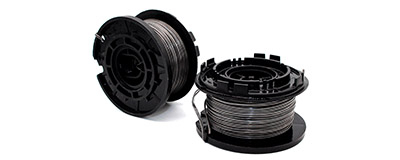
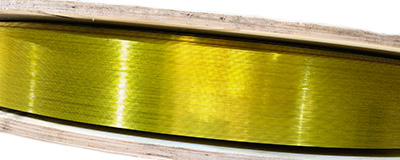
KYA 21 gauge polyester-coated rebar tie wire is supplied with a nominal 0.8mm wire diameter, 100m wire length and approximately 0.4kg reel weight. KYA identifies the product as KYA-0.8 and lists a Q195 galvanized steel core with a polyester coating.
Polyester-coated tie wire is used in automatic rebar tying applications where a coated wire is preferred, particularly when working with epoxy-coated reinforcement. The polymer coating provides a cushioned barrier between the steel tie wire and coated reinforcing bar and adds protection against abrasion and corrosion compared with an uncoated steel surface.
Automatic rebar tying tools use specific spool dimensions, wire diameters and feeding systems. Buyers replacing MAX or another brand of tie wire should confirm the exact tying-tool model and original consumable reference rather than selecting a reel only by its 21 gauge or 0.8mm wire description.
| Product Type | Polyester-Coated Automatic Rebar Tie Wire |
| KYA Model | 0.80mm |
| Product Code | KYA-0.8 |
| Gauge | 21 Gauge |
| Nominal Wire Diameter | 0.8mm |
| Wire Length per Reel | 100m |
| Weight per Reel | Approximately 0.4kg |
| KYA Listed Core Material | Q195 Galvanized Steel Wire |
| Outer Coating | Polyester |
| KYA Published Tensile Strength | 420 MPa |
| KYA Published Elongation | 21% |
| Published Tie Range | Approximately 120–190 ties per reel depending on tying tool, wraps per tie and rebar combination |
| KYA Published Rust Test | 4-cycle test; confirm test conditions if required for purchasing documentation |
| Primary Application | Automatic rebar tying, including applications using epoxy-coated reinforcing bar |
The KYA reel is designed for automatic tying applications and combines a galvanized steel wire core with an external polyester coating. The spool format allows the wire to be fed, wrapped, cut and twisted automatically by a compatible rebar tying tool.
Polyester-coated tie wire is commonly specified when tying epoxy-coated reinforcement. The polymer layer separates the steel wire surface from the coated reinforcing bar and helps reduce direct metal contact and abrasion during tying.
This makes coated tie wire relevant to bridge, road, marine, water-retaining and other reinforced-concrete projects where epoxy-coated rebar is selected for corrosion-control requirements.
The polyester layer provides additional separation between the steel tie wire and the surrounding environment. Final corrosion performance depends on coating continuity, installation damage, concrete exposure and project conditions.
Tie wire for automatic rebar tiers must be wound onto a spool that feeds consistently through the tool. Reel dimensions, wire stiffness, finished wire diameter and winding quality can all affect feeding performance.
KYA lists 100m of wire per reel. The actual number of completed ties depends on the amount of wire used for each tie, the tool model, selected number of wraps and rebar combination.
Automatic rebar tier manufacturers commonly offer multiple wire finishes for different project requirements. Choose the wire material and coating according to the reinforcing steel, exposure environment and project specification.
| Wire Type | Typical Selection | Important Consideration |
|---|---|---|
| Regular / Annealed Steel | General reinforced-concrete tying where an uncoated tie wire is permitted | Limited surface corrosion protection compared with coated alternatives |
| Electro-Galvanized | Applications requiring a zinc-coated tie wire | Confirm required zinc coating and project corrosion requirements |
| Polyester-Coated | Epoxy-coated rebar and projects where a cushioned coated wire is preferred | Tool must accept the finished coated wire diameter and matching spool |
| Stainless Steel | Projects specifying stainless tie wire for increased corrosion resistance | Some tying tools require a dedicated stainless-wire kit or specific consumable |
Automatic rebar tying machines are not interchangeable solely because they use approximately 21 gauge or 0.8mm wire. Different generations of tying tools use different spool designs and specified consumable families.
For MAX tools in particular, legacy machines and later lithium-ion machines use different original wire references. When purchasing KYA replacement wire, provide the exact tool model and existing reel reference for confirmation.
| MAX Tool | Original MAX Wire Family | Buying Guidance |
|---|---|---|
| RB392 | TW895 | Legacy tool. Do not assume a current TW898-style spool is interchangeable; confirm reel geometry before ordering. |
| RB213 | TW895 | Legacy tool. Confirm spool dimensions, wire diameter and feeding geometry. |
| RB395 | TW897 | Legacy tool. Original manual specifies TW897 wire. |
| RB397 | TW898 Series | Relevant 21GA MAX wire family; confirm coated-wire diameter and exact spool before substituting a third-party reel. |
| RB398 / RB398S | TW898 Series | Current MAX literature lists TW898-PC polyester-coated wire for these tools. |
| RB217 / RB218 | TW898 Series | Current MAX polyester-coated TW898-PC family reference. |
| RB517 / RB518 | TW898 Series | Current MAX literature includes these tools in the TW898-PC family. |
KYA lists this product as 0.8mm nominal wire with a 100m reel. Original MAX wire specifications vary by tool generation and consumable reference. Do not describe a replacement reel as an original MAX consumable or assume interchangeability without confirming the complete spool and wire specification.
Wire diameter is only one part of automatic rebar tier compatibility. The spool must also fit the tool holder and feed correctly through the guide, feeding gears, cutter and twisting mechanism.
| Compatibility Parameter | What to Verify |
|---|---|
| Tool Model | Exact rebar tier manufacturer and model number |
| Original Consumable | TW895, TW897, TW898 or other original wire reference where applicable |
| Wire Diameter | Nominal steel wire diameter and finished coated diameter |
| Reel Width and Diameter | Must fit the tool reel holder and cover |
| Hub Geometry | Must engage the reel holder correctly |
| Wire Stiffness | Must feed, curl, cut and twist correctly in the selected tying machine |
| Coating Thickness | Coated outside diameter must remain compatible with guides and feed gears |
KYA currently publishes approximately 120–190 ties per 100m reel. This should be treated as an operating range rather than a fixed output.
Tie count changes with the rebar tier, number of wraps, diameter and combination of reinforcing bars, wire consumed per tie and tool adjustment. For example, MAX documents approximately 120 ties per coil for the RB397, while other 21 gauge tools can produce a different number of ties from a reel.
For purchasing calculations, use the actual tying tool, wrap setting and reinforcement configuration rather than assuming the maximum tie count for every application.
Epoxy-coated rebar tying
Precast concrete reinforcement
Building foundations and reinforced footings
Rebar grids and reinforcement cages
Road and bridge reinforcement
Pile caps and structural concrete work
Concrete floors and walls
Retaining walls
Water-retaining concrete structures
Swimming-pool reinforcement
Projects where coated reinforcement requires a coated tie wire
The project engineer, reinforcing-steel specification or contract documents should determine the required tie-wire material where corrosion control or epoxy-coated reinforcement is involved.
Epoxy-coated reinforcing steel is used where increased corrosion protection is required. A coated tie wire is often selected with epoxy-coated rebar so the tying wire does not place an exposed steel surface directly against the epoxy coating.
MAX describes its polyester-coated tie wire as a low-carbon steel wire with a polymer polyester coating intended for epoxy-coated rebar and applications requiring additional protection from corrosion or abrasion. Makita also specifies its 21 gauge poly-coated wire for tying epoxy-coated rebar.
The polyester coating does not replace correct tying technique. Avoid excessive tool tension or installation practices that can damage the coating on the reinforcement.
KYA currently publishes the following mechanical data for this product. Buyers requiring material certificates or project-specific test reports should request the applicable documentation for the production lot being purchased.
| Core Material | Q195 Galvanized Steel Wire |
| Published Tensile Strength | 420 MPa |
| Published Elongation | 21% |
| Published Rust Test | 4 cycles |
| Coating | Polyester |
The current public product page does not define the detailed conditions of the 4-cycle rust test. If a project requires a specific corrosion-test method, duration, coating thickness or acceptance criterion, request the test method and lot documentation before specifying the product.
For accurate product matching and quotation, provide the automatic rebar tier manufacturer and model, existing tie-wire reference, required quantity, reinforcement type and delivery destination.
For the product shown on this page, reference KYA-0.8, 21 Gauge, nominal 0.8mm wire, 100m per reel, approximately 0.4kg, Q195 galvanized core with polyester coating.
| Product Code | KYA-0.8 |
| Gauge | 21 Gauge |
| Nominal Diameter | 0.8mm |
| Length | 100m / reel |
| Reel Weight | Approximately 0.4kg |
| Core | Q195 Galvanized Steel Wire |
| Coating | Polyester |
| Published Output | Approximately 120–190 ties / reel depending on tool and tie configuration |
| Compatibility Information Required | Tool manufacturer, exact model and existing wire / spool reference |
| Application Information | Rebar type, epoxy coating if applicable, rebar combination and project requirements |
KYA lists the product as 21 gauge with a nominal 0.8mm wire diameter, 100m of wire per reel and an approximate reel weight of 0.4kg.
The current KYA product code is KYA-0.8.
KYA currently lists a Q195 galvanized steel wire core with an external polyester coating.
Polyester-coated tie wire provides a polymer barrier between the steel tie wire and the coated reinforcing bar. This type of wire is commonly selected for epoxy-coated rebar where additional protection against abrasion and corrosion is desired.
KYA publishes approximately 120–190 ties per reel. Actual output depends on the tying tool, number of wraps, rebar combination and wire consumed for each tie.
Yes. MAX identifies the RB397 with its 21 gauge TW898 wire family. When replacing the original consumable with a third-party reel, confirm the finished coated-wire diameter and complete spool geometry.
Do not assume direct compatibility from the 0.8mm diameter alone. The original MAX RB395 manual specifies TW897 wire. Provide the RB395 model and existing TW897-style reel when requesting replacement compatibility.
The original MAX documentation for RB392 and RB213 specifies the TW895 wire family. Confirm spool dimensions and feeding geometry before using a replacement reel in these legacy tools.
Do not treat the products as automatically identical. KYA publishes a nominal 0.8mm wire and 100m reel for KYA-0.8, while MAX publishes its own TW898-PC consumable specification. Confirm tool model, coated-wire diameter, reel dimensions and feed geometry before substitution.
Galvanized wire uses a zinc coating on the steel surface. Polyester-coated wire adds a polymer barrier and is commonly selected for epoxy-coated reinforcement or applications requiring additional cushioning between the tie wire and coated rebar.
No coating should be treated as an absolute guarantee against corrosion. Performance depends on coating integrity, installation damage, moisture, chemical exposure and the surrounding concrete environment.
KYA currently lists a four-cycle rust test for this product but does not define the complete test method and exposure conditions on the public page. Request the applicable test procedure if this result is required for project approval or purchasing documentation.
Polyester-coated tie wire is used in road, bridge and other reinforced-concrete work, particularly where coated reinforcement is specified. The project specification should determine the permitted tie-wire material.
Yes. Automatic tie wire is commonly used for reinforcement assembly in precast concrete production. Select the coating type according to the reinforcement and project requirements.
It can be used where the reinforcement design and project specification permit polyester-coated tie wire. Pools and other water-retaining structures can have specific corrosion-control requirements that should be confirmed before purchasing.
Check the tying-tool model, original consumable reference, nominal and coated wire diameter, spool outside diameter, spool width, hub dimensions, wire length and coating type.
Provide the required quantity, automatic rebar tier manufacturer and exact model, current wire reference, rebar type, whether the reinforcement is epoxy coated and the delivery destination. Reference KYA-0.8 for this 21 gauge polyester-coated product.