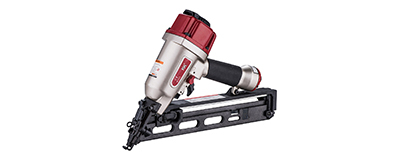
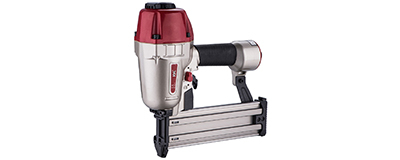
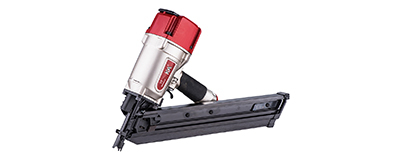
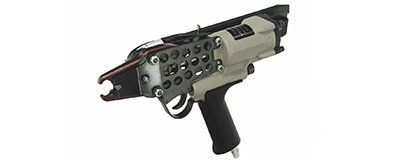
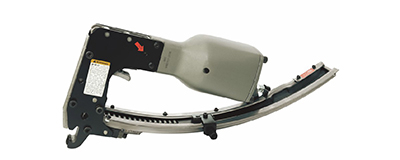
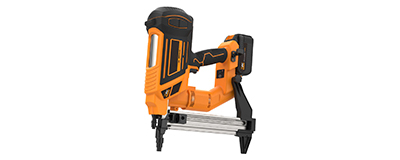
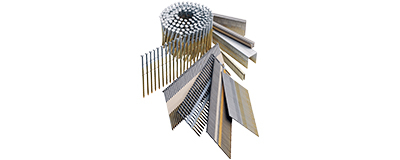
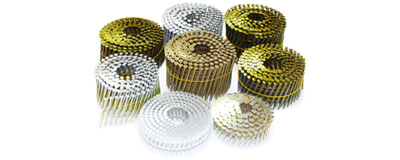
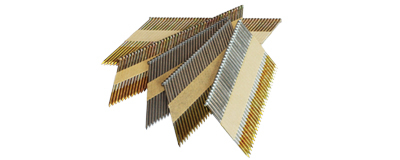
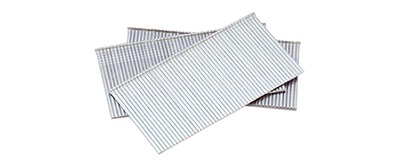
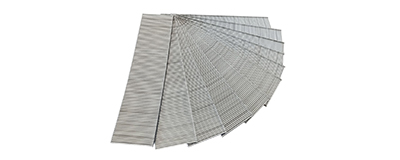
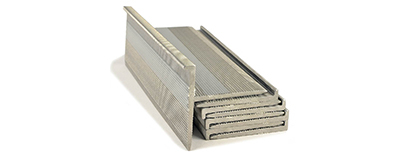
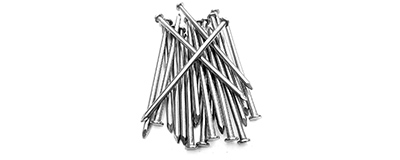
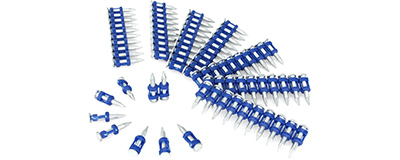
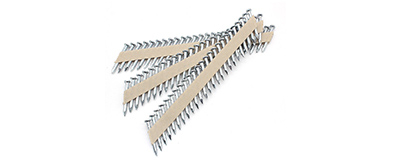
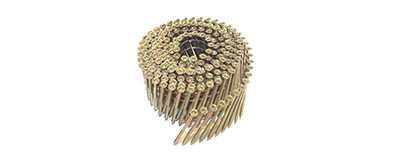
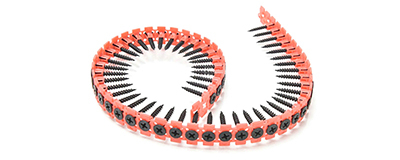
KYA supplies plastic strip nail screws, also known as strip-collated nail screws or nail-screw hybrid fasteners, for professional wood fastening and construction applications. These fasteners combine threaded shank designs with plastic strip collation for installation using compatible strip-fed nailers.
Our plastic strip nail screw range includes 21-degree and 34-degree configurations in selected metric dimensions, including 2.87 × 64 mm, 2.87 × 57 mm and 2.8 × 50 mm. Each model must be selected according to its dimensions, head design, thread configuration, strip angle and compatibility with the intended fastening tool.
KYA supplies construction fastener distributors, building material importers, woodworking businesses and professional fastening equipment users. Explore the product selection below to compare specifications and request wholesale pricing for your required models.
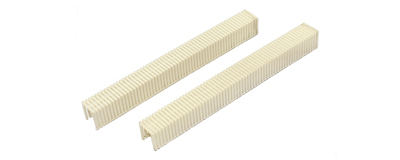
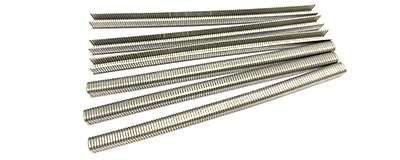
Plastic strip nail screws are threaded fasteners connected in angled plastic strips for installation using compatible nailers. Their strip configuration allows successive fasteners to be fed into the fastening tool without manually positioning each fastener.
Unlike conventional loose screws, nail-screw hybrid fasteners are designed for nailer-driven installation. Their threaded shanks provide screw-like engagement with the substrate, while selected drive-head designs allow the installed fastener to be adjusted or removed using a matching driver.
These fasteners are different from ordinary smooth-shank, ring-shank or spiral-shank framing nails. Actual withdrawal resistance, joint performance and removability depend on the fastener design, head configuration, substrate and installation conditions.
KYA lists both 21° and 34° plastic strip nail-screw fasteners. The degree marking identifies the nominal collation angle used by the fastening system. Each configuration must match the nailer's magazine and feed mechanism.
KYA's 21-degree selection includes 2.87 × 64 mm plastic strip scrails and 2.87 × 57 mm plastic strip nail screw fasteners. These products are supplied in angled plastic strips for compatible framing nailers and related professional fastening systems.
The 21° configuration must be matched to the tool manufacturer's specifications, including the fastener diameter, length, head dimensions and strip geometry. Do not assume that every nailer described as a 21-degree framing nailer supports every nail-screw hybrid model.
KYA also lists a 34-degree plastic strip nail screw fastener in 2.8 × 50 mm. This model uses an angled strip configuration intended for compatible fastening equipment.
A 34° fastener should not be treated as interchangeable with a 21° fastener. Even when the shank dimensions are similar, differences in collation angle, head style, carrier geometry and magazine design may prevent correct feeding or driving.
The following table lists the plastic strip nail-screw models currently displayed in this KYA category. Select a product to review its details and confirm the required technical specifications.
| Product | Size | Collation Angle | Product Details |
|---|---|---|---|
| 21 Degree Plastic Strip Scrails | 2.87 × 64 mm | 21° | Plastic strip scrail fastener |
| 21 Degree Plastic Strip Nail Screw | 2.87 × 57 mm | 21° | Plastic strip nail-screw fastener |
| 34 Degree Plastic Strip Nail Screw | 2.8 × 50 mm | 34° | Angled plastic strip nail-screw fastener |
The listed dimensions identify the nominal fastener diameter and length. Confirm the actual thread profile, head dimensions, drive recess, material, coating, strip quantity and suitable fastening equipment for each product before ordering.
When comparing 21-degree and 34-degree plastic strip nail screws, the primary consideration is compatibility with the fastening tool. Different collation angles do not, by themselves, determine the strength or suitability of the fastener.
| Feature | 21° Plastic Strip | 34° Plastic Strip |
|---|---|---|
| Listed Models | 2.87 × 57 mm and 2.87 × 64 mm | 2.8 × 50 mm |
| Collation | 21-degree plastic strip | 34-degree plastic strip |
| Tool Requirement | Compatible 21° strip-fed nailer | Compatible 34° strip-fed nailer |
| Feeding Considerations | Match magazine angle, plastic strip design and fastener geometry. | Match magazine angle, plastic strip design and fastener geometry. |
| Interchangeability | Not automatically compatible with 34° systems | Not automatically compatible with 21° systems |
Always verify the complete fastener specification and the tool manufacturer's approved fastener range. The collation angle is only one element of compatibility.
Plastic strip nail screws and conventional framing nails can both be supplied in collated strips for professional nailers. However, their shank designs and fastening characteristics differ.
| Feature | Plastic Strip Nail Screws | Conventional Framing Nails |
|---|---|---|
| Fastener Design | Threaded nail-screw hybrid design | Smooth, ring or other nail shank designs |
| Installation | Compatible strip-fed fastening tool | Compatible framing nailer |
| Thread Engagement | Screw-like thread engagement | Depends on nail shank design |
| Removal | Possible on selected drive-head models | Generally requires nail extraction methods |
| Joint Performance | Depends on thread, dimensions, substrate and joint | Depends on shank, dimensions, substrate and joint |
A threaded nail screw should not be assumed suitable for every application specified for conventional framing nails. Structural connections and engineered assemblies must use fasteners approved for the particular joint design and applicable requirements.
Plastic strip nail screws can be considered for compatible timber and wood assembly operations where rapid nailer-driven installation and threaded fastening characteristics are required. The fastener must be selected according to the timber dimensions, joint geometry and intended fastening equipment.
For structural wood framing, verify that the specified nail-screw product has suitable engineering approval or supporting test data before use.
Selected nail-screw hybrid fasteners may be suitable for subfloor panels and other wood-to-wood assemblies. Their threaded shanks engage the substrate, while strip collation supports repeated installation with the correct nailer.
Confirm panel thickness, substrate, screw penetration, spacing and fastening requirements. The appropriate model should be selected and verified for the actual assembly.
Plastic strip nail-screw fasteners can be evaluated for compatible sheathing and wooden panel installations where the product dimensions, head configuration and fastening requirements are appropriate.
For structural sheathing, wind-resistance assemblies or other engineered connections, follow the specified fastener schedule and applicable approval requirements rather than substituting products based only on dimensions.
Selected nail-screw fasteners may also be considered for wooden crates, industrial packaging components and related wood assembly applications. Suitability depends on joint loading, material dimensions, installation requirements and the approved fastening tool.
When selecting plastic strip nail screws for distribution, construction or industrial use, evaluate the fastener, collation strip and installation tool together.
| Selection Factor | What Buyers Should Check |
|---|---|
| Strip Angle | Choose 21° or 34° according to the specified nailer magazine. |
| Diameter | Confirm the listed 2.8 mm or 2.87 mm dimension and the tool's supported diameter range. |
| Fastener Length | Select 50 mm, 57 mm or 64 mm according to the required model, substrate and tool capacity. |
| Thread Design | Confirm the threaded shank configuration and its suitability for the joint. |
| Head and Drive | Check head shape, drive recess and any subsequent adjustment or removal requirements. |
| Material and Finish | Specify material and corrosion resistance according to the installation environment. |
| Plastic Strip Design | Verify carrier geometry, fastener spacing and feed arrangement. |
| Tool Compatibility | Match the exact nailer brand, model and approved fastener specifications. |
| Packaging | Confirm fasteners per strip, strips per carton and required shipment packing. |
The fastening tool must be approved for the specific collation angle, fastener dimensions and head design. A nailer designed for ordinary framing nails may not automatically support nail-screw hybrid fasteners of similar size.
Before ordering, verify the following details with your fastening equipment specifications:
Nailer manufacturer and exact model number
Approved plastic strip collation angle
Permitted fastener diameter and length
Acceptable head style and head dimensions
Plastic strip design and feeding direction
Tool operating and installation requirements
For production-line use or large construction projects, verify that the selected nail screws feed and install correctly under the intended operating conditions before placing a volume order.
KYA supplies plastic strip nail-screw products for construction fastener distributors, industrial buyers, building material importers and professional fastening equipment users.
For bulk purchasing, accurate specification matching is important because small differences in strip geometry, diameter, head design or fastener length can affect nailer compatibility and installation performance.
When requesting a wholesale quotation, please provide:
Required KYA product model or reference sample
21-degree or 34-degree strip configuration
Fastener diameter and length
Thread, head and drive requirements
Material and surface finish
Fastening tool brand and exact model
Intended substrate and application
Quantity and packaging requirements
Destination country and delivery requirements
If you are looking for an equivalent to an existing fastener, please include a drawing, product dimensions or sample details. KYA can review the requested specifications and provide information for the selected product.
Request a Wholesale Nail Screws Quote
Plastic strip nail screws are threaded nail-screw hybrid fasteners connected in plastic strips for use with compatible strip-fed nailers. They combine nailer-driven installation with screw-like thread engagement, and selected models allow subsequent adjustment or removal.
KYA currently lists 21° plastic strip scrails in 2.87 × 64 mm, 21° plastic strip nail screws in 2.87 × 57 mm and 34° plastic strip nail screws in 2.8 × 50 mm. Verify the selected model and its complete specifications before ordering.
The primary difference is the nominal collation angle and the corresponding tool magazine requirements. KYA lists different dimensions for its 21° and 34° models. The correct fastener must match the nailer's approved angle, size, head and strip geometry.
They should not be considered interchangeable unless the tool manufacturer specifically approves the exact fastener configuration. Different strip angles and feeding arrangements can prevent correct magazine operation.
Yes, when the particular framing nailer is designed or approved for the selected nail-screw hybrid fastener. Compatibility depends on angle, diameter, length, head dimensions, strip design and the tool's feeding mechanism.
A nail-screw hybrid uses a threaded design and may have a drive recess that permits subsequent adjustment or removal. A conventional screw-shank nail has a spiral shank but may not include a drive recess for unscrewing. Removability depends on the exact head and fastener design.
Selected nail-screw models can be adjusted or removed using a matching driver if the installed head has an accessible drive recess. Actual removal depends on the fastener design, substrate and installation conditions. Confirm this feature for the required KYA model.
Threaded nail-screw designs can provide different withdrawal characteristics compared with some conventional nail designs. However, actual withdrawal resistance, shear performance and joint strength depend on fastener geometry, material, substrate and installation conditions. Use model-specific test data for engineering comparisons.
Only when the specific product meets the applicable structural fastening requirements and has the necessary supporting performance data or approvals. Do not substitute nail-screw fasteners for specified structural nails solely because their dimensions are similar.
Suitability depends on the fastener material, protective coating, timber type and exposure environment. Specify the required corrosion resistance and confirm the selected model before using it outdoors or in damp conditions.
Provide the nailer manufacturer and model, supported strip angle, approved fastener diameter and length, head requirements and strip configuration. Include a reference fastener or equipment manual specification when available.
Provide the product model, diameter, length, strip angle, thread, head and drive, finish, nailer model, required packaging, purchasing quantity and destination country. KYA can review the requested fastener specifications for quotation.
Contact KYA for Plastic Strip Nail Screws
FURNITURE ACCESSORIES
OFFICE SUPPLIES
PACKAGING MATERIAL