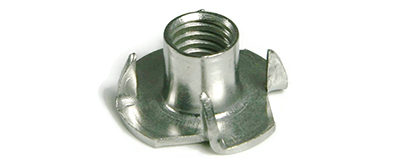
KYA supplies C1 Series Bulldog-style toothed timber connectors for bolted wood-to-wood joints in timber construction and structural woodworking. These round, double-sided toothed steel connectors are positioned between two timber members to provide mechanical engagement across the joint when installed with a suitable bolt or dowel connection system.
Our timber connector range includes C1-50 and C1-62 models, with outside diameters of 50 mm and 62 mm and corresponding center holes of 17 mm and 21 mm. Both products feature a circular steel body with teeth on both sides and are listed with galvanized finishes.
KYA supplies timber hardware distributors, building material importers, wood construction companies and industrial buyers. Select the appropriate connector according to the specified timber joint, connector dimensions, bolt or dowel arrangement, surface finish and engineering requirements.
A toothed timber connector, also known as a toothed plate connector or timber shear connector, is a formed metal connector with projecting teeth that engage wood members in a mechanically fastened joint.
Double-sided C1 connectors have teeth projecting from both faces of a circular steel plate. They are installed between adjoining timber members around a specified bolt or dowel arrangement. When the connector is properly seated, the teeth engage the timber on both sides of the joint.
The toothed connector contributes to transferring forces between the timber members as part of the complete designed connection. The actual resistance depends on the connector dimensions, tooth engagement, timber grade, member thickness, fastener arrangement and applicable structural design requirements.
C1 double-sided connectors are intended for compatible timber-to-timber connections. They should not be used as substitutes for joist hangers, angle brackets, nail plates or timber-to-steel connectors without appropriate engineering verification.
KYA offers two listed C1 Series timber connector models. Both are round, double-sided toothed steel plates, but their outside diameters and center-hole dimensions differ.
| Specification | C1-50 | C1-62 |
|---|---|---|
| Product Series | C1 | C1 |
| Outside Diameter | 50 mm | 62 mm |
| Center Hole Diameter | 17 mm | 21 mm |
| Connector Shape | Round | Round |
| Tooth Arrangement | Double-sided | Double-sided |
| Material | Steel | Steel |
| Listed Finish | Galvanized | Galvanized |
| Connection Type | Timber to timber | Timber to timber |
The dimensions above identify the listed KYA models. Confirm steel thickness, total connector height, tooth geometry, material grade, coating and applicable tolerances from the exact product specification before purchasing.
The KYA C1-50 Bulldog insertion plug has a nominal outside diameter of 50 mm and a 17 mm center hole. Its double-sided toothed design is intended for specified timber-to-timber connections where the connector is positioned between adjoining wood members.
The connector must be selected according to the connection drawing, timber cross-section, bolt or dowel specification and required installation geometry.
View KYA C1-50 Bulldog Timber Connector
The KYA C1-62 Bulldog insertion plug has a nominal outside diameter of 62 mm and a 21 mm center hole. Like the C1-50, it features a round steel plate with teeth on both sides for use in compatible timber-to-timber joints.
The larger connector diameter and center opening do not automatically make this model suitable for every higher-load connection. Connector selection and joint resistance must follow the applicable engineering design.
View KYA C1-62 Bulldog Timber Connector
C1 Series toothed timber connectors are used in specified timber-to-timber connection systems. The application must be evaluated as a complete joint, including timber members, connector, bolt or dowel, washers and installation requirements.
Double-sided toothed connectors can be used in engineered timber frame corner joints to provide mechanical engagement between adjoining wood members. The location, orientation and number of connectors must be defined by the connection design.
C1 toothed plate connectors may be specified for suitable intersecting timber members where forces need to be transferred through a bolted connection. Timber thickness, contact geometry and fastener arrangement should be checked before selecting the connector.
In selected engineered roof structures, toothed timber connectors can be incorporated into collar beam and related timber joints. The connector must be suitable for the timber members, loading conditions and specified bolt arrangement.
Toothed plate connectors may be used in specified purlin and timber member assemblies that employ mechanical wood-to-wood joints. Joint geometry, required edge distances and member dimensions must comply with the applicable construction specification.
C1 connectors can be considered for other compatible bolted timber-to-timber connections in industrial wood structures and engineered timber construction. They should not be substituted into a load-bearing joint without confirming connector resistance and the performance of the complete fastening system.
Toothed timber connectors are available in different designs for different connection arrangements. KYA's currently listed C1-50 and C1-62 models are double-sided products.
| Feature | Double-Sided C1 Connector | Single-Sided Connector |
|---|---|---|
| Tooth Arrangement | Teeth on both faces | Teeth on one face |
| Typical Joint | Timber to timber | Depends on connector design, including some timber-to-steel arrangements |
| Contact Surfaces | Toothed engagement with both timber members | Toothed engagement on one side |
| Product Selection | Confirm C1 series, dimensions and wood joint design | Confirm the appropriate connector series and joint materials |
The two connector designs are not automatically interchangeable. KYA's listed C1 products should be selected for suitable double-sided toothed connections according to the applicable joint specification.
Selecting a Bulldog-style timber connector requires evaluating the entire timber joint rather than the connector diameter alone.
| Selection Factor | What Buyers Should Confirm |
|---|---|
| Connector Model | C1-50 or C1-62 according to the drawing |
| Outside Diameter | 50 mm or 62 mm and required timber clearance |
| Center Hole | 17 mm or 21 mm with the specified bolt or dowel arrangement |
| Connector Thickness | Check steel thickness against the selected product drawing |
| Tooth Geometry | Confirm tooth height and correct engagement in both timber faces |
| Timber Members | Wood species, grade, thickness and joint configuration |
| Bolt or Dowel | Exact diameter, grade, washers and fastening arrangement |
| Corrosion Protection | Galvanized finish and required exposure performance |
| Structural Requirements | Applicable design resistance, spacing, edge distances and documentation |
The 17 mm and 21 mm center holes do not, by themselves, establish the permitted bolt diameter. Use the bolt or dowel specified by the connection designer and verify the required clearances and installation details.
Correct installation is necessary to develop the intended mechanical engagement between the connector teeth and the timber. The installation procedure must follow the applicable engineering drawing and product instructions.
Confirm the connection design. Check the specified C1 model, timber dimensions, bolt or dowel, washers and required connector position.
Prepare the timber. Mark the connection location and drill the fastener holes according to the approved joint drawing.
Position the connector. Place the double-sided toothed plate between the two timber members with the teeth facing the adjoining wood surfaces.
Align the connection. Ensure that the connector center opening and the timber fastener holes are correctly aligned.
Seat the connector. Apply the specified controlled assembly pressure or approved installation method so the teeth engage both timber members.
Complete the fastening assembly. Install and tighten the specified bolt or dowel system and washers according to the connection design.
Inspect the joint. Verify connector position, tooth engagement, timber condition and completed fastener installation.
Do not strike the connector teeth directly unless the approved product installation instructions expressly permit the method. Incorrect positioning, incomplete tooth engagement or excessive assembly force may damage the connector or timber and affect joint performance.
KYA lists galvanized steel C1-50 and C1-62 toothed timber connectors. Galvanizing provides a zinc-based protective finish that helps reduce corrosion under suitable exposure conditions.
The required coating specification depends on the construction environment, expected service life, timber treatment and exposure to moisture or corrosive substances.
For outdoor timber structures, treated timber or high-humidity applications, confirm that the actual connector coating and associated bolts and washers meet the project requirements. The term galvanized alone does not establish suitability for every exposure environment.
C1 toothed timber connectors are components of mechanically fastened timber joints. They contribute to load transfer through the engagement of their teeth with the adjoining wood members, while the bolts or dowels and the surrounding timber form part of the complete structural connection.
The design resistance of a timber joint depends on the connector model, timber strength class, member dimensions, fastener properties, joint geometry, spacing, edge distances and installation conditions.
For engineered timber connections, the designer should verify the relevant structural requirements, including applicable timber design standards and the supporting technical documentation for the specified product. Connector dimensions alone do not establish a design load capacity.
Where project-specific certification, test reports or performance declarations are required, identify those documentation requirements before placing the order.
KYA supplies C1 Series toothed timber connectors to construction hardware distributors, timber connection specialists, building material importers and industrial purchasers.
When sourcing timber connectors in bulk, consistent connector dimensions and surface finishes are important for matching construction drawings and existing connection systems.
For quotation and specification review, please provide:
Required model: C1-50 or C1-62
Outside diameter and center-hole dimensions
Required steel material and galvanized finish
Timber-to-timber joint application
Timber grade, thickness and member dimensions
Bolt or dowel diameter, grade and washer requirements
Relevant connection drawing or existing sample
Required test reports or technical documentation, if applicable
Order quantity and packaging requirements
Destination country and delivery requirements
KYA can review the requested C1 connector models and provide available product specifications and quotation information for the selected items.
Request a Wholesale Timber Connectors Quote
A Bulldog-style toothed timber connector is a formed steel plate with projecting teeth used in specified mechanically fastened timber joints. Double-sided C1 connectors have teeth on both faces and are installed between adjoining wood members with a suitable bolt or dowel connection system.
KYA currently lists C1-50 and C1-62 Bulldog insertion plugs. C1-50 has a 50 mm outside diameter and a 17 mm center hole, while C1-62 has a 62 mm outside diameter and a 21 mm center hole.
The principal listed differences are the outside diameter and center-hole size. C1-50 measures 50 mm externally with a 17 mm center opening, while C1-62 measures 62 mm externally with a 21 mm center opening. The correct model depends on the specified timber connection.
Yes. The KYA C1-50 and C1-62 models have a double-sided toothed configuration designed to engage the timber members on both sides of the connector.
Double-sided toothed plate connectors are used in specified timber-to-timber joints, including certain frame corner, cross-timber, collar beam and purlin connections. The complete connection must be designed for the applicable loading conditions and construction requirements.
KYA's listed double-sided C1 connectors are intended for compatible timber-to-timber joints. Timber-to-steel connections may require a different connector design, such as a suitable single-sided connector, according to the engineering specification.
The bolt or dowel size must be specified as part of the complete connection design. Although the C1-50 has a 17 mm center opening and the C1-62 has a 21 mm center opening, these dimensions alone do not establish the appropriate bolt diameter or grade.
The connector is positioned between prepared timber members with teeth facing both wood surfaces. The holes and fastening components are aligned, and the connector is seated using the specified assembly method so its teeth engage the timber. Installation must follow the approved joint design and product instructions.
Direct hammering onto the connector teeth may damage the connector or timber. Use the controlled seating or pressing method specified by the relevant installation instructions. Verify the required procedure for the actual C1 product and connection.
Suitability depends on the type and thickness of the galvanized coating, timber treatment and exposure conditions. Confirm the specified corrosion protection for the connector, bolts and washers before using them in exterior or moisture-exposed timber joints.
Load capacity is evaluated as part of the complete timber connection design. Connector dimensions, tooth engagement, timber grade, bolt or dowel properties, member thickness, geometry and applicable structural standards all affect the resulting design resistance.
Not automatically. Products with the same nominal outside diameter and center hole can differ in steel thickness, tooth height, material, coating and documented performance. Compare the complete technical specifications and any required project approvals before substituting a connector.
Provide the C1 model, dimensions, finish requirements, timber joint details, bolt or dowel specification, purchasing quantity, packaging needs, destination country and any required technical documentation. A connection drawing or existing product sample can help confirm the requested specification.
FURNITURE ACCESSORIES
OFFICE SUPPLIES
PACKAGING MATERIAL