| Finish: | |
|---|---|
| Leg Length: | |
| Quantity: | |
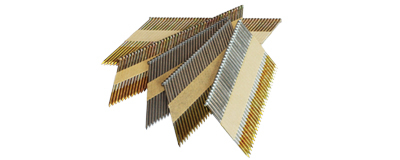
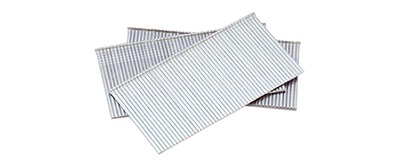
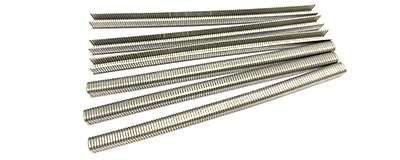
KYA 15 gauge FST concrete nails are hardened straight-strip fasteners designed for compatible FST concrete finish nailers. The series is available from 18 mm to 50 mm in length with an approximately 1.8 mm shank diameter and 2.8 mm head width.
The FST Series is designed for professional finishing and light-duty fastening into suitable concrete, masonry and other dense substrates. Typical applications include baseboards, skirting, moulding, furring strips, light-gauge metal track, aluminum profiles and selected wood-to-concrete fastening.

15 gauge FST platform: approximately 1.8 mm shank for compatible hardened concrete finish nailers.
18–50 mm length range: multiple lengths for different attached-material thicknesses and required embedment.
Approximately 2.8 mm head width: narrow-head profile suitable for professional finishing applications.
Hardened carbon steel: designed for driving into suitable concrete, masonry and other dense substrates.
Galvanized finish: provides corrosion protection for appropriate indoor and protected construction applications.
0° straight collation: straight-strip format for compatible FST concrete nailers.
Glue-collated strips: 50 nails per strip in the current KYA FST configuration.
1,500 nails per box: commercial packaging for contractors, distributors and professional users.
Request FST Concrete Nail Pricing
| Parameter | Specification |
|---|---|
| Series | FST |
| Fastener Type | Hardened Concrete Finish Nail |
| Gauge | 15 Gauge |
| Shank Diameter | Approximately 1.8 mm / .071" |
| Head Width | Approximately 2.8 mm / .110" |
| Length Range | 18–50 mm / 3/4"–2" |
| Collation Angle | 0° Straight |
| Collation | Glue-Collated Straight Strip |
| Material | Hardened Carbon Steel |
| Finish | Galvanized |
| Nails per Strip | 50 pcs |
| Nails per Box | 1,500 pcs |
KYA supplies FST concrete nails in multiple lengths from 18 mm to 50 mm. The correct length should be selected according to the thickness of the attached material, required embedment, substrate hardness and the fastener range of the nailer.
| Model | Length | Inch Reference | Pcs / Strip | Pcs / Box |
|---|---|---|---|---|
| FST18 | 18 mm | 3/4" | 50 | 1,500 |
| FST20 | 20 mm | Approximately 13/16" | 50 | 1,500 |
| FST25 | 25 mm | 1" | 50 | 1,500 |
| FST30 | 30 mm | 1-3/16" | 50 | 1,500 |
| FST32 | 32 mm | 1-1/4" | 50 | 1,500 |
| FST35 | 35 mm | 1-3/8" | 50 | 1,500 |
| FST40 | 40 mm | 1-9/16" | 50 | 1,500 |
| FST45 | 45 mm | 1-3/4" | 50 | 1,500 |
| FST50 | 50 mm | 2" | 50 | 1,500 |
Choose an FST nail long enough to pass through the material being attached and achieve suitable embedment in the receiving substrate. The required nail length depends on the attached material, concrete or masonry density and the fastening method.
A longer nail does not automatically produce a better connection. In very dense concrete, unnecessary additional length can increase driving resistance and the possibility of incomplete seating, bending or substrate damage.

FST nails are manufactured from hardened carbon steel for use with suitable dense substrates. The hardened material provides the rigidity required during high-energy driving with a compatible concrete finish nailer.
No concrete nail should be assumed to penetrate every concrete mix. Concrete compressive strength, aggregate, substrate age, edge distance, nail length and nailer driving energy all influence installation performance.
The FST Series uses an approximately 1.8 mm / .071" shank and 2.8 mm / .110" head width. These dimensions identify the FST platform and distinguish it from heavier concrete T-nail systems.
When replacing an existing concrete finish nail, compare shank diameter, head width, nail length, strip geometry and collation rather than selecting by gauge alone.

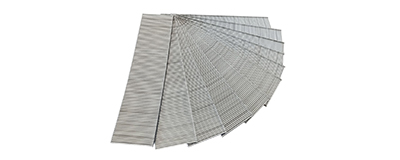
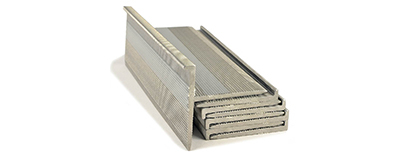
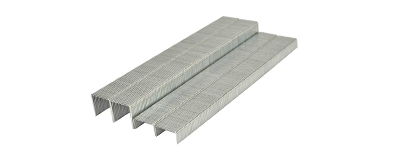
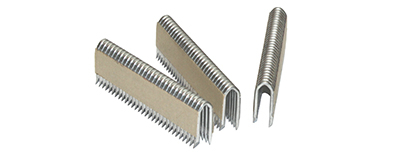
KYA FST nails are assembled in straight glue-collated strips for feeding through compatible concrete finish nailers. The current KYA configuration uses 50 nails per strip.
The straight-strip FST format is different from common angled 15GA woodworking finish nails. A standard angled finish nailer should not be assumed to accept hardened FST concrete nails.
The standard FST Series shown on this page uses a galvanized steel finish. The zinc-coated surface provides corrosion protection compared with uncoated carbon steel and is suitable for appropriate indoor and protected construction applications.
For persistent exterior moisture, coastal exposure, chemically aggressive conditions or other demanding environments, confirm the required fastener material and corrosion protection before ordering.

Baseboards and skirting: attaching suitable trim components to concrete, brick or masonry substrates.
Wood moulding: selected moulding and trim attachment where the substrate is suitable for direct fastening.
Furring strips: fastening suitable thin wood members to concrete or masonry.
Light-gauge steel track: attaching selected runners, track and light metal components to suitable floors or walls.
Aluminum moulding: fastening compatible aluminum trim and profile components.
Interior finishing: renovation and finishing applications requiring a hardened straight-strip fastener.
Wood-to-concrete fastening: selected non-structural assemblies where the FST nail, tool and substrate have been verified.
Light-duty masonry fastening: selected applications in suitable brick or masonry substrates after test fastening.

Baseboard and skirting installation is an established application for FST-style concrete finish nails. The narrow-head fastener can help retain trim against a suitable concrete or masonry surface.
Adhesive may also form part of the installation system. Follow the trim manufacturer's installation method and use the nail as part of the complete attachment system where appropriate.
FST concrete nails are used in selected light-gauge steel applications for fastening stud tracks, runners and related components to suitable concrete floors or walls.
These nails should not be treated as universal structural anchors. Where a connection has specified structural loads, seismic requirements, fire requirements or approved anchorage details, use the fastening system specified for the project.
Furring strips and selected wood components can be attached to suitable concrete or masonry with FST nails when the chosen length provides sufficient penetration through the wood and into the receiving substrate.
For thicker wood components, choose the FST length based on required embedment rather than simply selecting the longest nail in the series.
Compatible aluminum moulding, profiles and interior trim can be secured with FST concrete finish nails where the material geometry and substrate permit direct fastening.
Select a nail length that provides sufficient substrate embedment without excessive penetration that may make driving difficult in dense concrete.
Concrete and masonry substrates vary significantly. Concrete strength, aggregate type, age, substrate thickness and distance from edges can affect whether a hardened nail drives and seats correctly.
Perform several test fastenings in the actual substrate before repetitive installation. If nails bend, fracture, fail to seat or cause excessive cracking or spalling, change the nail length, tool setting or fastening method.
Use FST nails only in tools designed for compatible hardened straight-strip concrete finish nails. A tool being described simply as a 15 gauge finish nailer does not establish compatibility.
| Tool Platform | Published Fastener Range | Compatibility Guidance |
|---|---|---|
| JITOOL CS15/50 | Dedicated 15GA FST concrete nailer using FST nails through 50 mm. | Established reference platform for the FST nail family. |
| Tacwise EHS50V | Accepts Type 15G hardened finish nails from 15 mm to 50 mm. | Length class corresponds closely; confirm actual head and strip geometry before production use. |
| Other 15GA FST Nailers | Varies by manufacturer and model. | Confirm 1.8 mm shank, 2.8 mm head width, straight collation and required nail length. |
The JITOOL CS15/50 is a dedicated 15GA mini concrete nailer designed for FST fasteners. Its published FST family covers multiple lengths through 50 mm and includes applications such as light-gauge steel stud and runner fastening, aluminum moulding and baseboard installation.
This makes the CS15/50 a useful reference when identifying the general FST fastener platform.
The Tacwise EHS50V is designed for Type 15G hardened finish nails from approximately 15 mm to 50 mm. The published length range overlaps the complete KYA FST Series.
When replacing another manufacturer's fastener, confirm wire diameter, head dimensions, straight-strip geometry and actual magazine fit in addition to nail length.
| Characteristic | 15GA FST Series | 14GA ST T-Nail Series |
|---|---|---|
| Shank Diameter | Approximately 1.8 mm | Approximately 2.1–2.2 mm |
| Head Style | Narrow approximately 2.8 mm head class | Larger T-head profile |
| Main Use | Trim, skirting, moulding, furring, light-gauge components and finishing work | Heavier construction fastening where a T-nail system is specified |
| Tool System | 15GA FST concrete finish nailer | 14GA concrete T-nailer |
| Interchangeable | No | No |
FST nails are hardened straight-strip concrete finish fasteners. Conventional 15GA woodworking finish nails commonly use an angled strip and are designed primarily for timber moulding, casing and finish carpentry.
A standard 15GA DA finish nailer should not be assumed to accept FST nails even though both products may be described as 15 gauge.
The current KYA FST configuration uses 50 nails per strip and 1,500 nails per box across the listed 18–50 mm range.
For bulk purchasing, confirm the required FST length, quantity, finish, nailer model and application so the fastener configuration can be matched to the production or installation requirement.
| Selection Item | What to Confirm |
|---|---|
| Nailer Model | Confirm the tool is designed for compatible 15GA hardened FST concrete nails. |
| Nail Length | Choose from 18–50 mm according to material thickness and required embedment. |
| Shank Diameter | Approximately 1.8 mm. |
| Head Width | Approximately 2.8 mm. |
| Collation | 0° straight glue-collated strip. |
| Substrate | Concrete, brick, masonry or another substrate suitable for hardened direct fastening. |
| Attached Material | Provide trim, furring, moulding, light-gauge track, aluminum profile or other material thickness. |
| Connection Requirement | Confirm that the application is appropriate for a concrete finish nail rather than a structural anchoring system. |
They are hardened straight-strip finish nails designed for compatible 15GA FST concrete nailers and suitable concrete, masonry and other dense substrates.
The current KYA range on this page includes 18, 20, 25, 30, 32, 35, 40, 45 and 50 mm lengths.
The KYA FST Series uses an approximately 1.8 mm / .071" shank diameter.
The published KYA specification lists an approximately 2.8 mm / .110" head width.
Yes. The FST Series is manufactured from hardened carbon steel for use with suitable dense substrates and compatible concrete finish nailers.
Yes. The standard FST products described on this page use a galvanized finish.
Select the length according to the thickness of the material being attached, required penetration into the receiving substrate, substrate hardness and the fastener range of the nailer.
No. Excessive length can increase driving resistance, especially in dense concrete. Use enough length to achieve suitable embedment without unnecessary additional penetration.
Yes. Baseboard and skirting installation are established applications for FST-style hardened concrete finish nails when the substrate and installation method are suitable.
Yes, for selected furring-strip installations where the chosen nail length provides appropriate penetration into the concrete or masonry substrate.
They can be used in selected light-gauge track and runner fastening applications where the material, substrate and project requirements permit direct hardened-nail fastening.
FST finish nails should not be treated as universal structural anchors. Structural or load-rated connections can require specifically designed anchoring systems with documented installation and capacity requirements.
No. Concrete hardness, aggregate, age, nail length and nailer power affect driving performance. Test the actual substrate before repetitive installation.
The JITOOL CS15/50 is specifically designed for its 15GA FST fastener family through 50 mm. KYA FST nails belong to the same general fastener class, but third-party dimensions and strip geometry should still be confirmed before bulk use.
Tacwise specifies the EHS50V for Type 15G hardened finish nails from 15 mm to 50 mm. Confirm the KYA nail head and strip geometry with the actual tool before production use.
No. Conventional 15GA woodworking finish nailers commonly use angled nail strips. FST nails require a compatible hardened straight-strip concrete finish nailer.
No. FST nails use an approximately 1.8 mm shank and narrow 2.8 mm head class, while common 14GA ST concrete T nails use a thicker shank and larger T-head geometry.
The current KYA FST configuration contains 50 nails per strip.
The current KYA FST specification lists 1,500 nails per box.
Provide the required FST length, quantity, nailer model, attached material, substrate type, application and destination market.
KYA supplies 15GA hardened galvanized FST concrete nails from 18 mm to 50 mm for construction fastener distributors, interior contractors, light-gauge installers, trim installers and professional fastening users. Send your required length, quantity, nailer model, substrate and application information to confirm the appropriate FST configuration.