English
 العربية
 Français
 Русский
 Español
 Português
 Deutsch
 italiano
 日本語
 한국어
 Nederlands
 Tiếng Việt
 ไทย
 Polski
 Türkçe
 ພາສາລາວ
 ភាសាខ្មែរ
 Bahasa Melayu
 ဗမာစာ
 தமிழ்
 Filipino
 Bahasa Indonesia
 magyar
 Română
 Čeština
 Монгол
 қазақ
 हिन्दी
 فارسی
 Slovenčina
 Slovenščina
 Norsk
 Svenska
 українська
 Ελληνικά
 Suomi
 Հայերեն
 Latine
 Dansk
 Shqip
 বাংলা
 Hrvatski
 Afrikaans
 Gaeilge
 Eesti keel
 Oʻzbekcha
 latviešu
 Aymara
 Беларуская мова
 guarani
 Chichewa English العربية Français Русский Español Português Deutsch italiano 日本語 한국어 Nederlands Tiếng Việt ไทย Polski Türkçe ພາສາລາວ ភាសាខ្មែរ Bahasa Melayu ဗမာစာ தமிழ் Filipino Bahasa Indonesia magyar Română Čeština Монгол қазақ हिन्दी فارسی Slovenčina Slovenščina Norsk Svenska українська Ελληνικά Suomi Հայերեն Latine Dansk Shqip বাংলা Hrvatski Afrikaans Gaeilge Eesti keel Oʻzbekcha latviešu Aymara Беларуская мова guarani Chichewa
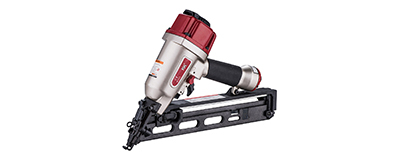
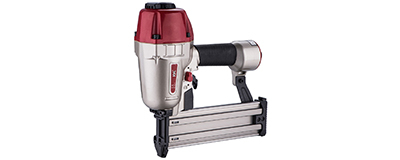
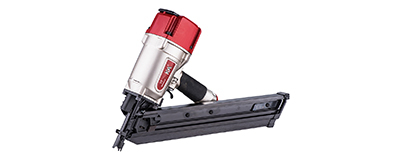
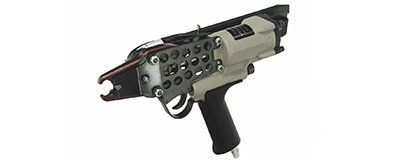
KYA Fasteners supplies pneumatic concrete nailers for fastening compatible wood, metal tracks and other construction components to concrete, masonry and selected steel substrates. The range includes 14-gauge concrete T-nailers and a separate 0-degree concrete strip-nail system for contractors, hardware distributors and industrial tool buyers.
Choose a model according to its approved fastener type, nail length, operating pressure and magazine capacity. Concrete hardness, steel thickness and the installation requirements of the project must also be checked before use.
Request a Concrete Nailer Quote
Compare the three KYA models listed in this category. Specifications below refer to the respective published product pages; they are not interchangeable across models.
| Model | Approved Fastener System | Published Nail Length | Operating Pressure | Magazine Capacity | Tool Weight |
|---|---|---|---|---|---|
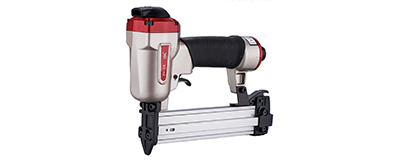
| PS26/38 | 0° concrete strip nails | 12–38 mm | 80–120 PSI | 250–400 nails | 3.3 kg |
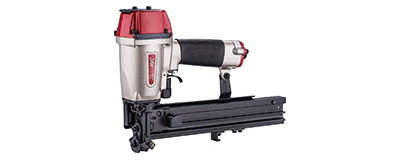
| ST64 | 14GA concrete T-nails | 18–64 mm | 70–120 PSI | 100 nails | 2.81 kg |
| ST38 | 14GA concrete T-nails | 18–64 mm* | 70–100 PSI | 100 nails | 2.88 kg |
*The ST38 length range follows KYA’s current published model page. Confirm the precise fastener drawing and approved nail lengths for the supplied version before ordering replacement nails.
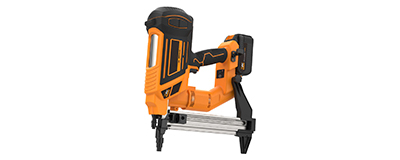
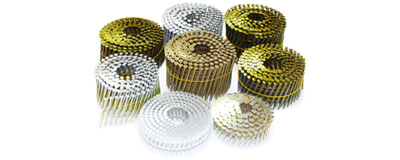
The KYA ST38 and ST64 use 14-gauge concrete T-nails for compatible wood-to-concrete and wood-to-steel fastening. Both models have a 100-nail magazine, while their published operating pressures and dimensions differ. These tools are suited to selected furring-strip, plywood, lath and light construction applications where the specified fastener and base material are compatible.
The ST38 is listed with a 70–100 PSI working pressure, an approximately 2.88 kg aluminum body and a 100-nail magazine. Its product page lists tool-free depth adjustment and a quick-release nosepiece. For repeated site installations, match the nail dimensions and substrate to the actual work conditions.
The ST64 is listed with a 70–120 PSI working pressure, an approximately 2.81 kg aluminum body and a 100-nail magazine. It is designed for compatible 14GA concrete T-nails and is an option for installers and distributors seeking a longer published T-nail range. Confirm tool and fastener drawings before replacing an existing nail system.
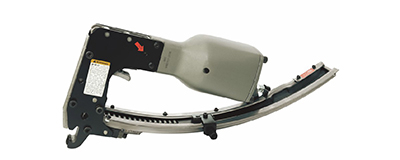
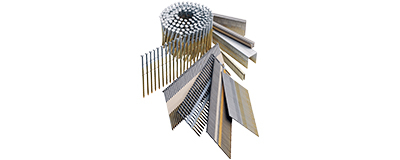
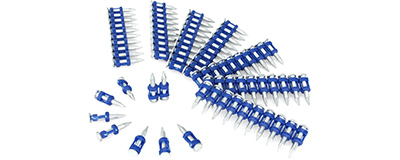
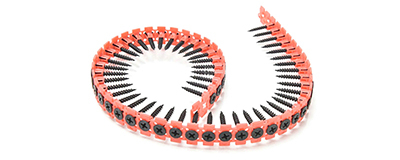
The KYA PS26/38 uses 0-degree collated concrete strip nails, not the same T-nail strips used by ST38 and ST64. Its published nail length is 12–38 mm, operating pressure is 80–120 PSI and magazine capacity is approximately 250–400 nails, depending on the fastener configuration.
This high-capacity tool is intended for repetitive fastening with the matching 0-degree strip configuration. Buyers should verify strip angle, head size, shank size and nail point before ordering replacement fasteners.
Ask About PS26/38, ST38 or ST64
The tool and the collated nail must be matched as a complete fastening system. Never assume two concrete nailers accept the same nails because they share an application or a similar nail length.
| Check | ST38 / ST64 | PS26/38 |
|---|---|---|
| Nail system | 14GA concrete T-nails | 0° concrete strip nails |
| Published length | 18–64 mm; confirm exact model | 12–38 mm |
| Head and shank | Match the tool-approved T-nail configuration | Match the published 0° strip nail configuration |
| Collation | Compatible T-nail strip format | Compatible 0° strip format |
| Required verification | Gauge, nail length, head, shank, nail hardness and tool model | Strip angle, strip dimensions, head, shank, point and tool model |
To discuss corresponding fasteners, visit the Concrete Nails section or include your current fastener drawing with the inquiry.
| Application | What Buyers Should Confirm |
|---|---|
| Furring strips and wood battens | Wood thickness, receiving concrete strength, anchor spacing and nail embedment |
| Plywood to concrete or masonry | Panel thickness, substrate condition, nail type and holding requirements |
| Wire lath and light metal accessories | Fastener head size, base material and relevant installation instructions |
| Light-gauge steel track | Track thickness, approved fastener and concrete or steel substrate |
| Selected fencing, decking and subfloor components | Project fastening specification, outdoor exposure and substrate suitability |
A pneumatic concrete nailer is not a universal replacement for structural anchors. Critical, load-bearing, overhead or code-governed attachments require an approved fastening design and the project engineer’s specification.
Identify the receiving base material: concrete, concrete block, masonry or compatible steel.
Check the item being attached, its thickness and the required fastening pattern.
Select the exact nail system first: 14GA T-nail strip or 0° concrete strip nails.
Compare approved nail lengths, magazine capacity, air-pressure range and tool weight.
Check compressor output, air hose, couplings and jobsite operating conditions.
Confirm available operating instructions and consumables for the selected model.
Use regulated compressed air within the operating-pressure range stated for the selected tool. Keep the magazine and feed path free of damaged strips and debris, and follow the model-specific operating instructions for loading and maintenance.
Disconnect the air supply before clearing a jam, servicing the nosepiece or inspecting internal parts. Use suitable eye and hearing protection, and test the approved fastener on the actual substrate before full-scale installation.
KYA works with construction-tool distributors, contractors, hardware importers and industrial fastener buyers. For an accurate quotation, provide the model, quantity, destination, intended application and matching nail specification. Packaging, documentation and spare-parts requirements can be included for review.
A pneumatic concrete nailer drives specified hardened fasteners into suitable concrete, masonry or steel substrates. Typical uses include furring strips, plywood, wire lath and selected light-gauge metal attachments, subject to the approved fastening method.
The PS26/38 uses 0° concrete strip nails and has a listed capacity of 250–400 nails. The ST64 uses 14GA concrete T-nails and has a 100-nail magazine. Their fastener systems are not directly interchangeable.
No. The ST38 and ST64 are 14GA concrete T-nailers, while the PS26/38 accepts compatible 0° concrete strip nails.
KYA lists 70–100 PSI for ST38, 70–120 PSI for ST64 and 80–120 PSI for PS26/38. Set the compressor regulator to the approved range for the chosen tool.
Both are listed for 14GA concrete T-nails. Check gauge, length, head profile, shank, hardness and strip configuration against the tool manual and current product drawing before ordering.
They can be used for selected wood-to-steel or light-metal applications where the fastener, substrate hardness, steel thickness and installation specification are suitable. Check the project requirements before use.
No. Nail length alone does not establish compatibility. Different magazines and drive systems can require different strip angles, head shapes, shank sizes and collation formats.
Do not assume a concrete nailer is approved for a structural or safety-critical attachment. Use an engineered, code-compliant fastening design for those applications.
Send the tool model, expected quantity, destination, proposed nail specification, base material and intended installation. Include any distributor packaging or documentation requirements for review.
Disconnect the compressed-air supply first, then follow the selected model’s instructions for opening and inspecting the nose and feed mechanism. Do not attempt to clear jams while the tool remains connected to air.
Compare KYA ST38, ST64 and PS26/38 concrete nailers for your construction-tool line or project. Share your application and matching nail requirements to identify the appropriate pneumatic fastening system.
FURNITURE ACCESSORIES
OFFICE SUPPLIES
PACKAGING MATERIAL