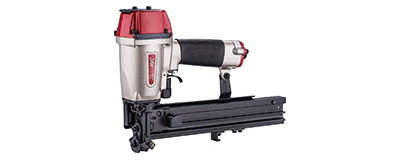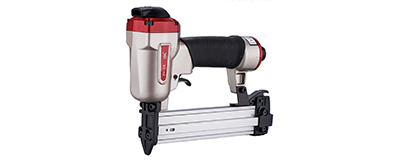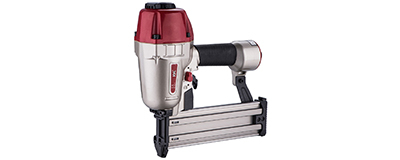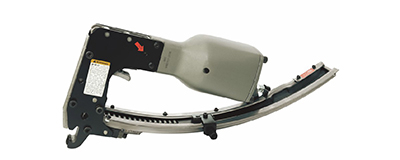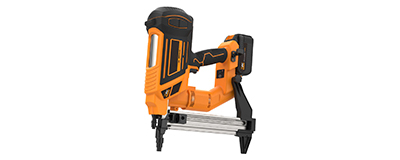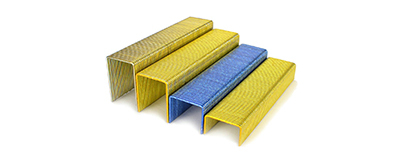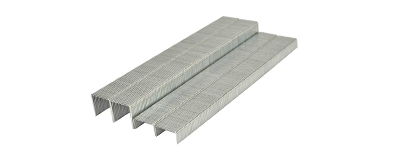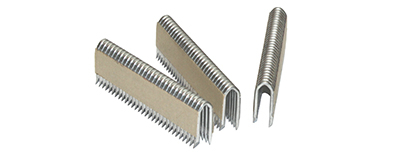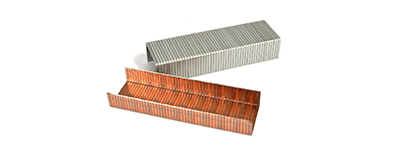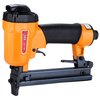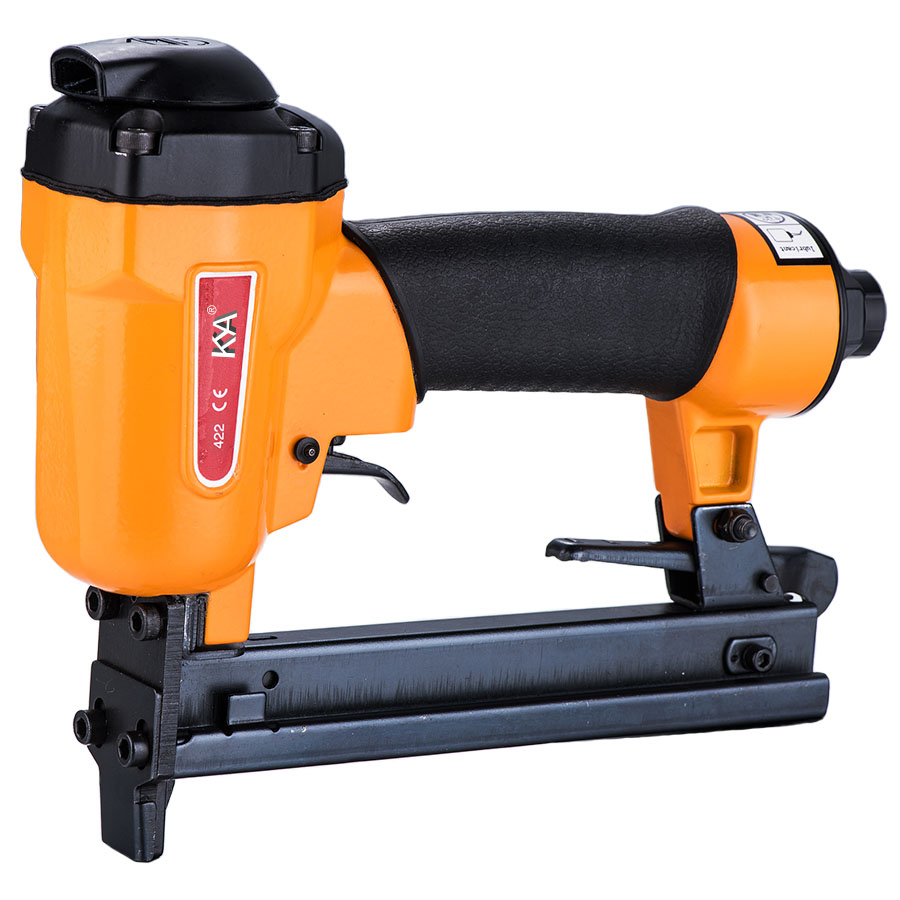
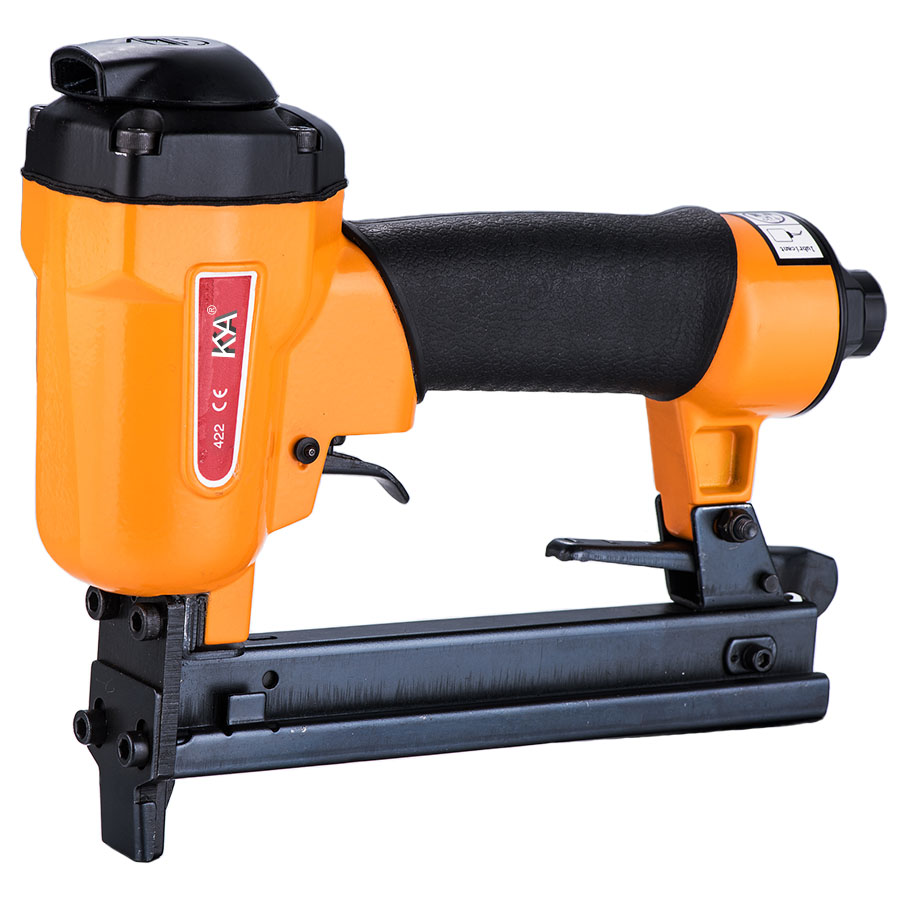
KYA 422 is a pneumatic 20 gauge narrow crown stapler designed for furniture upholstery, cabinet backs, furniture trim, picture frames, automotive interior trim, roofing felt, house wrap and other compatible light-duty fastening applications.
The tool drives compatible 4J Series fine wire staples from approximately 6mm to 22mm long. The 422 tool page lists a nominal 5.1mm crown, while current KYA 4J fastener specifications list approximately 5.2mm. The staple wire section is approximately 1.20 × 0.60mm.
The 422 weighs approximately 1.20kg, measures 179 × 59 × 250mm and holds up to 100 staples. KYA lists an operating pressure of 60–100 PSI / approximately 4–7 bar, together with an extended thin nose, adjustable exhaust, open nose access and tool-free depth adjustment.
| Specification | Details |
| Model | 422 / KYA-422 |
| Tool Type | Pneumatic Narrow Crown Fine Wire Stapler |
| Staple Gauge | 20 Gauge |
| Staple Series | 4J Series Fine Wire Staples |
| Nominal Crown | Approx. 5.1–5.2mm / 1/5" |
| Tool Staple Length Range | 6–22mm / 1/4"–7/8" |
| Wire Width | Approx. 1.20mm / 0.047" |
| Wire Thickness | Approx. 0.60mm / 0.024" |
| Magazine Capacity | Approx. 100 Staples |
| Operating Pressure | 60–100 PSI / Approx. 4–7 bar |
| Net Weight | Approx. 1.20kg / 2.64lbs |
| Tool Dimensions | Approx. 179 × 59 × 250mm |
| Nose Design | Extended Thin Nose |
| Exhaust | 360° Adjustable Exhaust |
| Depth Control | Tool-Free Depth Adjustment |
| Nose Access | Open Nose Design for Jam Access |
| Typical Applications | Upholstery, Cabinet Backs, Furniture Trim, Picture Frames, Automotive Trim, Roofing Felt and House Wrap |
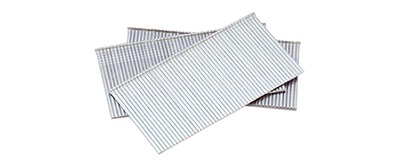
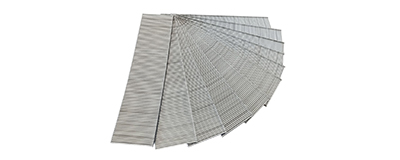
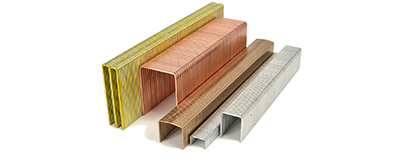
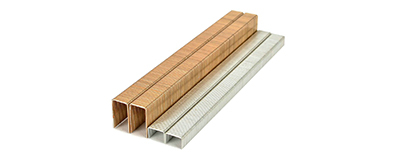
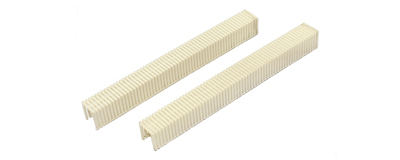
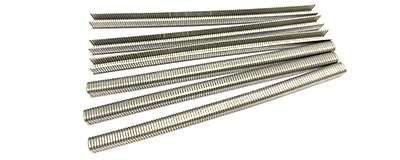
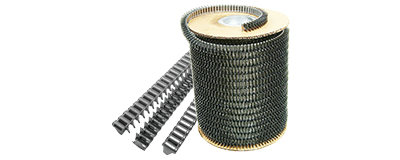
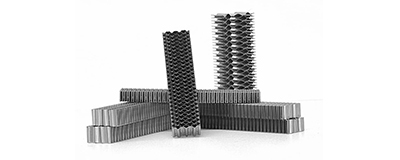
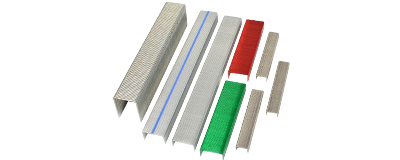
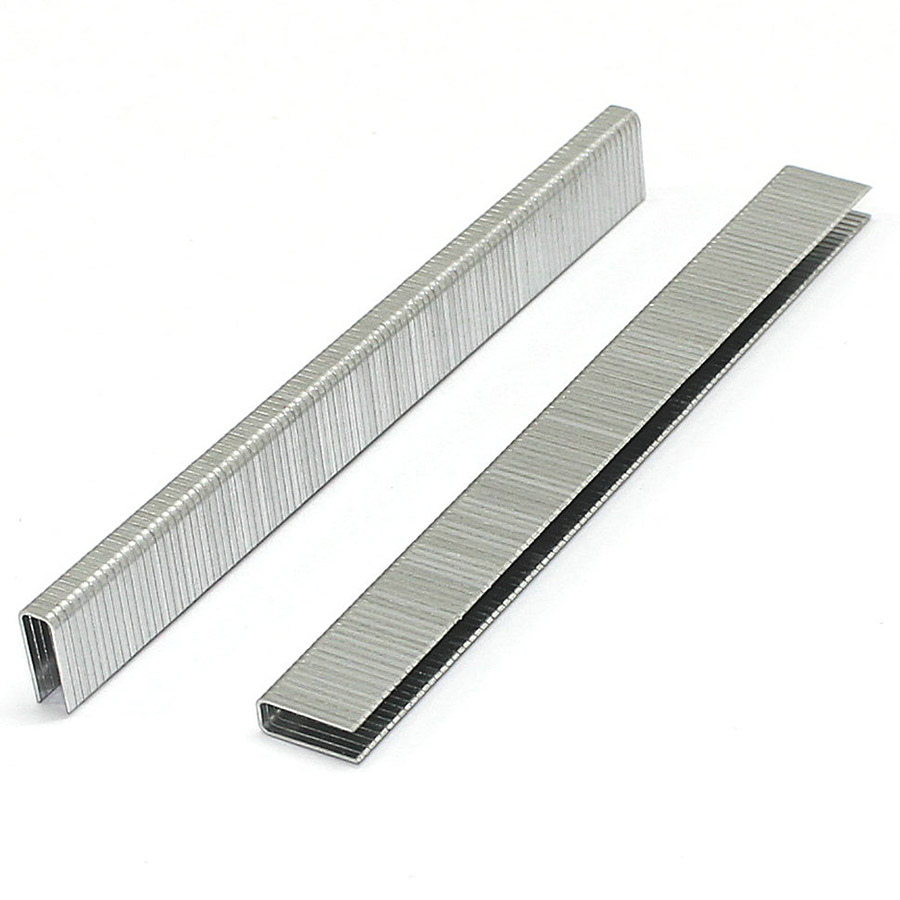
The 422 is designed for compatible 20GA 4J Series fine wire staples. This staple family uses an approximately 5.2mm narrow crown with a 1.20 × 0.60mm wire section.
4J staples are commonly used where a relatively small crown and low-profile wire are preferred, including furniture upholstery, trim, picture frames, automotive vinyl, bedding, roofing felt and house wrap.
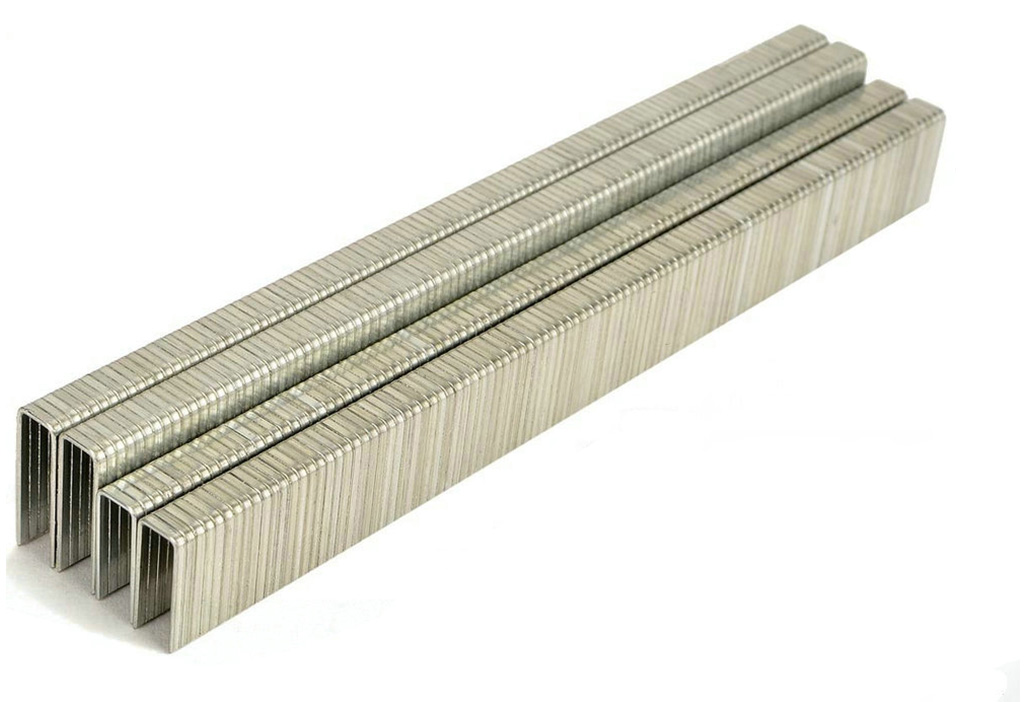
The 422 tool page uses a nominal crown specification of approximately 5.1mm, while the current KYA 4J staple page lists approximately 5.2mm. These values refer to the same narrow-crown fastener class, but current production dimensions should be confirmed if tolerance is critical to a replacement order.
The narrow crown provides a smaller visible fastening footprint than wider upholstery or medium-wire staples, making the format useful for furniture trim, cabinet backs and decorative work.
Compatible 4J staples use an approximately 1.20mm wide × 0.60mm thick wire profile. This geometry should be matched together with the crown width and leg length when selecting replacement staples.
Another 20GA staple may use a different crown or strip format, so gauge alone does not confirm compatibility with the 422.
The 422 tool is listed for compatible staple lengths from approximately 6mm to 22mm. Shorter staples can be used for lightweight coverings and trim, while longer staples provide additional penetration into suitable wood or panel substrates.
Choose staple length according to material thickness and substrate density. Excessive leg length can cause breakthrough or surface damage, while insufficient penetration can reduce holding performance.
The 422 magazine holds approximately 100 compatible 4J staples per load, supporting repetitive furniture, trim and light fastening work.
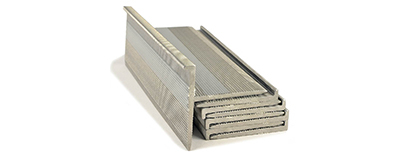
Use straight, undamaged staple strips and keep the feed channel clean. Incorrect fastener dimensions, damaged collation or debris can cause feeding interruptions.
The extended thin nose improves access around cabinet corners, furniture frames, narrow trim, recessed channels and other restricted fastening positions.
The narrow nose also improves visibility around the fastening point, helping operators position staples more accurately along edges and trim components.
Tool-free depth adjustment allows the operator to change staple penetration when working with substrates of different thicknesses and densities.
Final staple depth also depends on air pressure, staple length and material density. Test the setting on scrap material before fastening finished panels, trim or upholstery.
The open nose design provides access to the driver and staple path if a jam occurs, helping simplify routine staple removal and maintenance.
Disconnect the compressed-air supply before opening the nose, clearing a jam or servicing the tool.
The adjustable exhaust can be rotated to direct discharged air away from the operator or finished work surface.
This can improve comfort during repetitive bench work but does not replace normal ventilation or personal protective equipment where required.
The 422 weighs approximately 1.20kg and measures 179 × 59 × 250mm. Its compact format is suitable for handheld use in furniture, cabinetry, upholstery and trim production.
Operator comfort during repetitive use also depends on workstation height, hose routing, fastening frequency and work posture.
KYA lists an operating range of approximately 60–100 PSI / 4–7 bar for the 422.
Start at lower pressure and increase only as necessary to achieve the required staple depth. Excessive pressure can overdrive the staple or mark softer materials.
The narrow 4J staple format is suitable for selected cabinet backs, light panels, furniture trim and decorative components where a compact crown is preferred.
For MDF, plywood and finished surfaces, test staple length and depth before production to reduce the risk of breakthrough or visible marking.
The 422 can be used for selected furniture upholstery, fabric, vinyl and trim fastening where the 20GA narrow crown staple provides sufficient holding performance.
It should not be described as a spring-clamping tool. Mattress springs, seat springs and heavy frame connections can require larger hog rings, clips or heavier fastening systems.
4J fine wire staples can be used for selected automotive vinyl and interior trim operations where pneumatic stapling is appropriate for the component and substrate.
Automotive trim assemblies vary by manufacturer, so staple length, material and placement should be verified for the individual component.
4J Series staples are used for selected roofing felt and house-wrap fastening applications where the material manufacturer and local installation requirements permit this staple format.
Roofing and weather-barrier systems can specify particular fastener heads, caps, corrosion resistance or spacing. Confirm the material manufacturer's fastening requirements before installation.
The 422 may be used for selected insulation facings, membranes and light sheet materials where the substrate and installation specification permit 4J fine wire staples.
Foam boards, vapor barriers and insulation systems vary significantly. Do not assume that a narrow crown staple is suitable unless the material manufacturer permits mechanical fastening of this type.
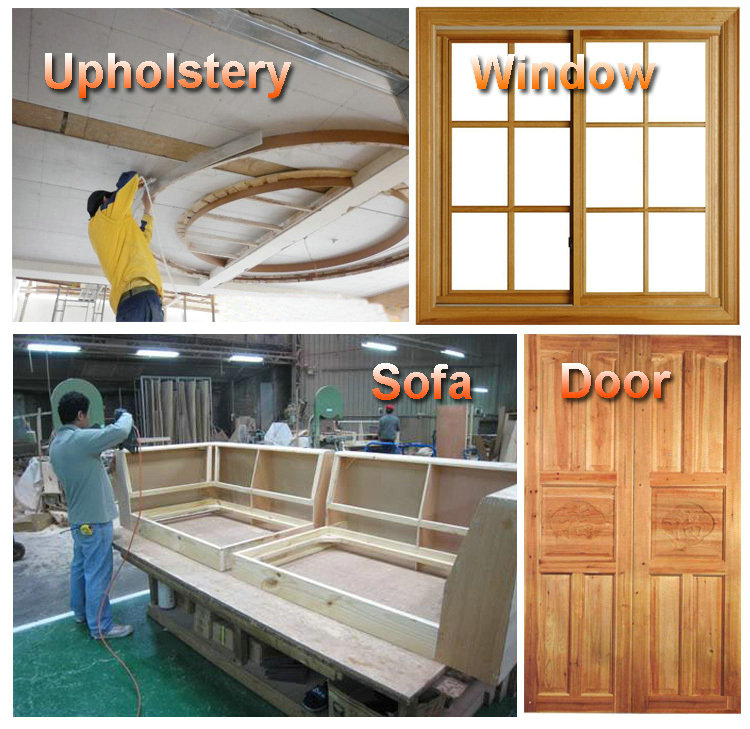
Cabinet backs
Furniture trim
Furniture upholstery
Picture frame backing
Automotive vinyl and interior trim
Bedding components
Decorative molding
Roofing felt where permitted
House wrap where permitted
Selected insulation and light sheet fastening
| Buyer Check | 422 Reference |
|---|---|
| Staple Series | 4J Series |
| Gauge | 20GA |
| Nominal Crown | Approx. 5.1–5.2mm |
| Wire Width | Approx. 1.20mm |
| Wire Thickness | Approx. 0.60mm |
| Tool Leg Range | 6–22mm |
| Point Style | Chisel Point on Standard KYA 4J Staples |
| Collation | Glue Collated on Standard KYA 4J Staples |
| Material | Galvanized Steel, Stainless Steel or Aluminum Depending on Fastener Specification |
KYA lists PREBENA EG, FASCO 4, MAX 4J and OMER 99 as market references associated with its 20GA 4J Series staple geometry.
These references are useful when sourcing replacement fasteners, but exact tool acceptance should still be confirmed by crown width, wire section, strip geometry and leg-length range.
| Issue | Possible Cause | Recommended Check |
|---|---|---|
| Air Leak at Cylinder Cap | Worn seal, O-ring or head valve component | Disconnect air supply and inspect the sealing components. Replace worn or damaged parts according to the tool parts specification. |
| Air Leak at Trigger | Worn trigger seal, contaminated valve or damaged valve component | Disconnect air supply, inspect and clean the valve area, and replace damaged seals or components as required. |
| Driver Does Not Return | Damaged driver, worn nose component or seal problem | Disconnect air supply and inspect the driver assembly. Replace bent or damaged components rather than forcing the tool to operate. |
| Repeated Staple Jams | Incorrect fastener dimensions, damaged strips or magazine contamination | Confirm 4J staple dimensions, inspect the strips and clean the magazine and feed channel. |
| Staples Not Fully Driven | Low pressure, dense substrate, excessive leg length or worn driver | Check pressure within the specified range, staple length and driver condition. |
Always disconnect the compressed-air supply before clearing jams, opening the nose, inspecting internal parts or servicing the stapler.
KYA supplies pneumatic staplers and 4J Series staples for furniture manufacturers, upholstery workshops, cabinet factories, interior trim suppliers, tool dealers and industrial fastener distributors.
For bulk purchasing, provide the required tool quantity, staple length, staple material, application and compressed-air conditions. If replacing another stapler, provide the existing tool model and fastener specification for compatibility checking.
KYA supplies pneumatic staplers for furniture, upholstery, cabinetry, trim, packaging and industrial fastening in multiple gauges, crown widths and staple-length ranges.
The 422 uses compatible 20GA 4J Series fine wire staples with an approximately 5.1–5.2mm narrow crown and a 1.20 × 0.60mm wire section.
The current tool specification lists staple lengths from approximately 6mm to 22mm / 1/4" to 7/8".
The current 422 tool page uses approximately 5.1mm, while KYA's 4J fastener page lists approximately 5.2mm. They refer to the same nominal 4J narrow-crown class. Confirm current production dimensions when tolerance is critical.
KYA lists approximately 1.20mm wire width × 0.60mm wire thickness for the 4J Series.
The magazine holds approximately 100 compatible staples.
KYA lists an operating pressure of approximately 60–100 PSI / 4–7 bar.
The listed tool weight is approximately 1.20kg / 2.64lbs.
The listed dimensions are approximately 179 × 59 × 250mm.
Yes. The extended thin nose improves access around cabinet corners, furniture frames and narrow trim areas.
Yes. The tool includes depth adjustment. Final staple depth also depends on air pressure, staple length and substrate density.
Yes. The 360° adjustable exhaust allows discharged air to be redirected away from the operator or finished workpiece.
It can be used for selected cabinet backs, trim and light panel assembly where the 20GA 4J staple provides sufficient holding performance.
Yes, for compatible furniture upholstery, fabric, vinyl and trim fastening applications. It is not intended as a replacement for heavy spring-clamping or structural fastening systems.
4J staples are used for selected roofing felt applications, but the roofing material manufacturer's fastener requirements, corrosion specification and local installation rules should be checked before use.
It can be used where the house-wrap manufacturer permits narrow crown pneumatic staples. Some systems require caps or specific corrosion-resistant fasteners.
No. The 422 is a 20GA fine-wire narrow crown stapler intended for light fastening. Structural framing generally requires heavier staples, nails or other approved structural fasteners.
They are common market references associated with the 20GA 4J narrow-crown format. Exact crown, wire section, staple length and tool fit should still be confirmed before substitution.
No. Gauge alone does not determine compatibility. Crown width, wire section, leg length and strip geometry must match the 422.
Common causes include incorrect staple geometry, bent staple strips, damaged collation, debris in the magazine, improper loading or worn driver components.
Provide the required tool quantity, staple length, fastener material, application and compressed-air conditions. If replacing another tool or staple brand, include the existing model and fastener dimensions.