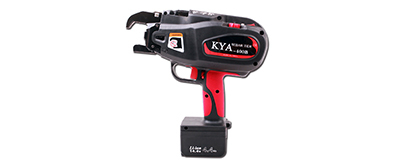
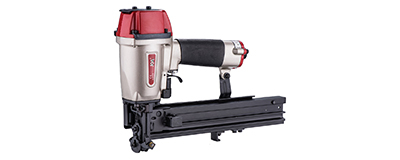
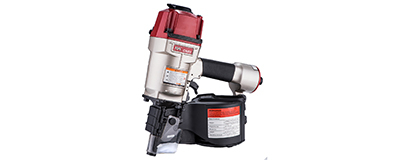
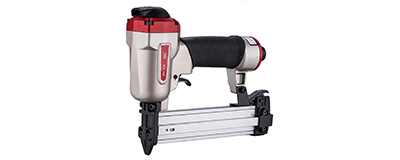
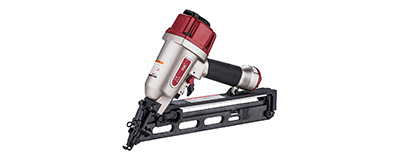
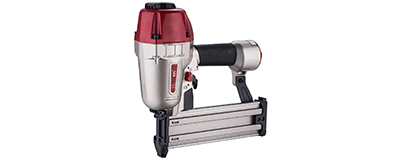
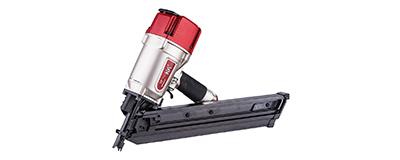
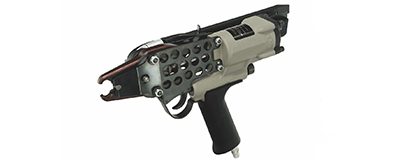
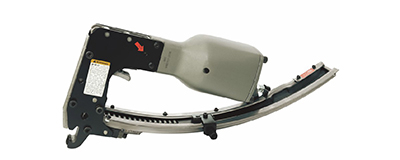
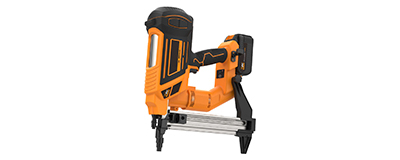
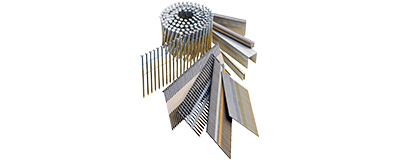
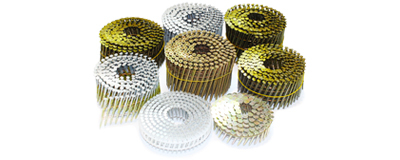
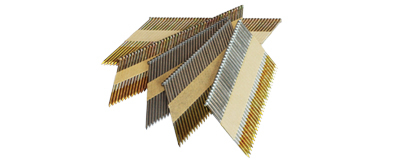
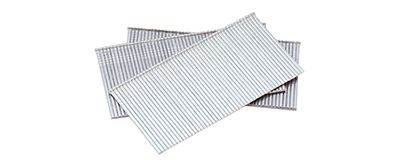
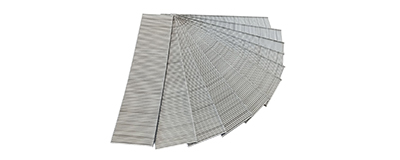
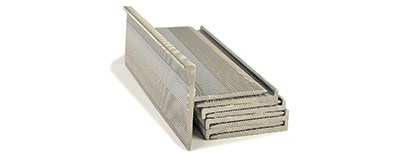
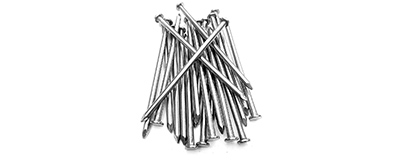
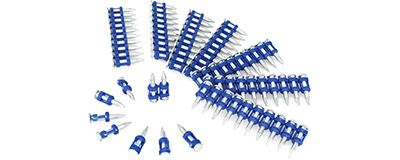
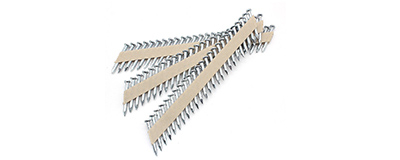
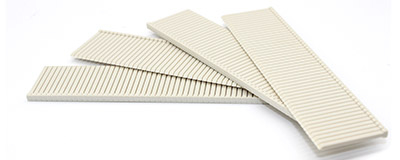
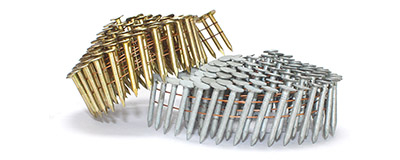
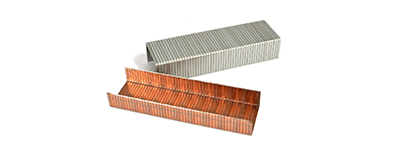
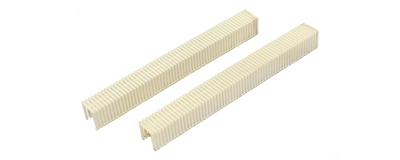
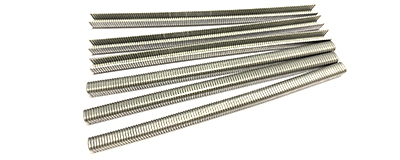
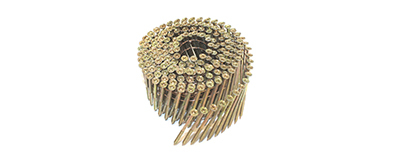
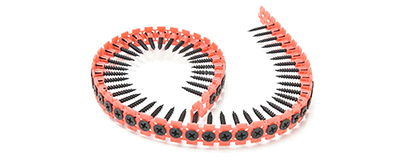
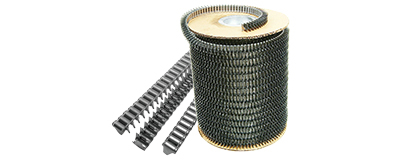
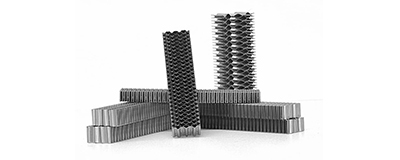
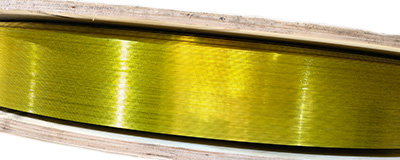
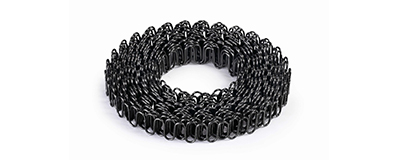
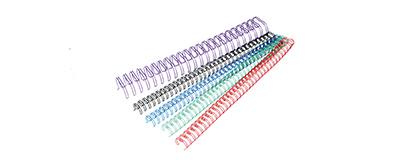
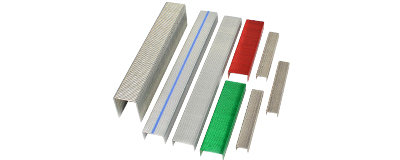


A mid-sized furniture manufacturer achieved improved efficiency in its operations. The company boosted its furniture assembly speed by 30%. It replaced strip nails with a pneumatic system using coil nails. This strategic switch to coil nails cut fastener reloading downtime by 15%. The new fastening process with coil nails directly increased assembly output and overall efficiency. This success with coil nails is notable as the industry navigates significant challenges.
Hesitation to re-expand production.
The Challenge: Assembly Bottlenecks in Furniture Manufacturing

Many companies in the construction and manufacturing sectors face production bottlenecks. These slowdowns disrupt the entire workflow. They prevent the business from meeting its output goals. In furniture manufacturing, the assembly line is a common source of these costly delays. Identifying the root causes is the first step toward improved efficiency. The use of coil nails can address these issues, but first, one must understand the problem.
Identifying Downtime Sources
Downtime in the production process can come from many areas. A company must look closely at its operations to find them. Inefficient fastening methods are a major culprit in repetitive assembly tasks. A slow fastening process directly limits how quickly workers can complete each unit. This creates a significant bottleneck that holds back the entire production line. The right fastening system, like one using coil nails, can change this. Other common sources of downtime in construction and manufacturing include:
Shortages of essential materials or components.
Poor communication between teams or departments.
These issues slow down the construction of each furniture piece. They highlight the need for a better assembly process. A system using coil nails offers a reliable alternative.
Note: Fastening speed is critical. However, speed must not sacrifice accuracy. A faster method that creates more errors does not improve overall efficiency. The goal is a process that is both fast and precise, a balance that coil nails help achieve in construction and manufacturing.
The Impact on Labor Costs and Output
Bottlenecks directly harm a company's bottom line. A slow production process increases the labor cost for each finished product. The manufacturing sector already faces a high employee turnover rate of 39%. Inefficient systems make this problem worse. Workers become frustrated when they cannot meet their goals. This frustration can lead them to seek jobs elsewhere. This cycle of hiring and training new employees is expensive. It further reduces the manufacturing plant's overall output. A streamlined assembly system using coil nails helps retain skilled workers. It boosts morale and makes the entire manufacturing operation more profitable.
The Solution: Implementing Coil Nails for Improved Efficiency

Addressing assembly bottlenecks required a direct solution. The company chose to implement a system centered on coil nails. This decision was based on the tool's superior performance in high-volume fastening environments. The goal was to increase speed and reduce downtime in the manufacturing process. The adoption of coil nails proved to be the key to unlocking improved efficiency.
Why We Chose Coil Nails
The choice of coil nails was a strategic one. Coil nailers have a large nail capacity. They typically hold 200-300 nails. This is a major advantage over stick nailers, which hold only about 20-40 nails. This capacity directly impacts fastening speed and overall performance.
The larger magazine means workers spend less time reloading fasteners. They spend more time on the actual assembly of furniture. This simple change boosts productivity throughout the day.
The benefits of coil nails extend beyond capacity. The rapid firing speed of the tools is ideal for high-speed nailing tasks in construction and manufacturing. The decision was supported by several factors:
The organized packaging of coil nails leads to better handling and fewer dropped nails.
Faster reloading is crucial for fast-paced construction and manufacturing environments.
Uniform packaging makes inventory management simple.
The system is perfect for demanding applications of coil nailers, including assembly lines. The performance of coil nailers in construction is well-documented.
The Transition and Training Process
A smooth transition process was essential for success. The company focused on comprehensive training for the new fastening tools. Proper training ensures every worker can use the coil nails system safely and effectively. The installation of the new equipment was paired with a clear educational program. This program included several key steps for the manufacturing team.
New employees received training on the correct installation and use of the pneumatic tools.
Experienced workers attended refresher courses on proper tool handling and maintenance.
All workers learned about correct air pressure, lubrication, and cleaning for the coil nails equipment.
This focus on training ensured a seamless shift. It allowed the team to quickly adapt to the new high-speed nailing process in their construction and manufacturing work.
The Results: Quantifying the Impact of Coil Nails
The shift to a new fastening system produced clear and measurable results. The company's investment in tools using coil nails paid off through significant gains in both output and product excellence. The data confirmed that this change was a powerful step toward improved efficiency. The performance of the new production process exceeded expectations.
Increased Throughput and Reduced Downtime
The most immediate result was a dramatic increase in production speed. The manufacturing facility observed a substantial rise in the number of units assembled per shift. This efficiency gain came directly from reducing fastener reloading downtime. The high capacity of coil nails allowed workers to continue their tasks for longer periods without interruption. This created a more fluid production process. The consistent performance of the pneumatic tools using coil nails also minimized jams and errors. The entire manufacturing operation became smoother. This change boosted the overall speed of the assembly line. The company effectively transformed a major bottleneck into a streamlined part of its manufacturing workflow. The use of coil nails was central to this success.
The impact on the production line was clear. Workers spent more time building and less time reloading, which directly translated to higher output and a more efficient operation. The quality of the process improved.
The adoption of coil nails delivered a powerful combination of benefits. The system's reliability and speed enhanced the entire fastening stage. The quality of work from the coil nails system was consistently high. This successful implementation of coil nails demonstrates a clear path to greater productivity.
Enhanced Furniture Quality and Consistency
The benefits of coil nails extended beyond speed to the final product's quality and durability. The overall quality of furniture assembly is heavily influenced by the strength and precision of its joint systems. A superior fastening process leads to a superior product with long-lasting durability. The consistent driving power of the pneumatic tools ensures that each of the coil nails is set to the correct depth. This uniformity strengthens the structural integrity of every furniture piece, enhancing its durability.
This precision also has a major impact on the product's final appearance. Achieving a high-quality aesthetic requires careful attention to detail.
Fasteners that are part of a design must be placed with near-mathematical precision.
Visible, misaligned fasteners can ruin the look of a product and hurt its marketability.
High-quality fastening equipment, like tools for coil nails, helps workers achieve this needed precision.
The consistent performance of the coil nails system gave workers the ability to produce cleaner, more uniform results. This focus on quality and durability builds customer trust. The enhanced structural quality ensures the product's durability. The improved visual quality makes the furniture more appealing to consumers. This commitment to quality and durability is a key market differentiator.
Beyond Speed: Ergonomic and Safety Benefits
Improved efficiency is not just about speed. It also involves creating a healthier and safer work environment. The switch to a system using coil nails delivered significant ergonomic and safety advantages. These benefits improve worker well-being and contribute to the long-term stability of the manufacturing workforce.
Reducing Worker Fatigue
Repetitive tasks in furniture assembly can cause physical strain. Ergonomic tools reduce this strain and lower the risk of musculoskeletal disorders like carpal tunnel syndrome. The lightweight design of modern pneumatic tools for coil nails directly addresses this issue. Lighter tools reduce the stress of holding equipment for long periods. This design focus is crucial for minimizing repetitive strain injuries.
Ergonomic tools with vibration reduction technology also decrease the risk of hand-arm vibration syndrome (HAVS). This focus on worker health leads to better long-term outcomes and extended careers. The high-quality performance of these tools ensures comfort without sacrificing power.
The improved handling and balance of tools for coil nails allow workers to maintain a high level of performance throughout their shift. This reduction in fatigue supports consistent work and boosts morale on the manufacturing floor.
Improving Workplace Safety
A safe workplace is a productive workplace. Modern pneumatic tools for coil nails incorporate advanced safety features to protect users. These features prevent accidents and ensure the tools operate as intended. The consistent performance of the equipment builds operator confidence. Key safety mechanisms include:
Sequential Firing: This mode requires a deliberate two-step action to fire a nail, preventing accidental discharge.
Anti-Dry Fire Mechanism: This feature stops the tool from firing when it runs out of coil nails, protecting both the tool and the work surface.
Safety Contact Lever: The tool will only fire when the nose is pressed firmly against the work material.
These integrated systems help companies comply with safety standards. Features like a 360-degree rotatable exhaust also enhance safety by directing air away from the user's face. This commitment to safety improves the overall work experience and reinforces a positive safety culture in the manufacturing environment.
Adopting coil nails directly addresses key efficiency challenges in furniture assembly, delivering improved efficiency. Companies should evaluate their current fastening process. A review can identify downtime costs and show where coil nails can help. The use of coil nails is a great solution.
Tip: Consider these metrics during your evaluation:
Failure Rate: How often do fasteners fail?
Packaging Integrity: Is there waste from damaged fasteners?
A trial of pneumatic coil nailers using quality coil nails on one station can measure the impact. This test shows how a system with coil nails, using the right coil nails, can transform an operation. The coil nails are the key.
FAQ
What is the main difference between coil and strip nails?
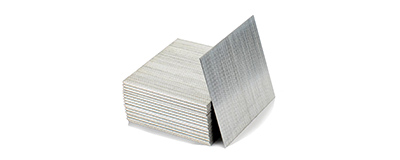
Coil nailers have a much larger nail capacity. They hold 200-300 nails in a round magazine. Strip nailers hold only 20-40 nails in a straight magazine. This key difference significantly reduces reloading downtime during the assembly process.
Are pneumatic coil nailers difficult to learn?
Workers can learn to use pneumatic coil nailers quickly. A good training program is essential for success. It should cover safe operation, correct air pressure settings, and basic tool maintenance. This process ensures a smooth transition for the team.
How do coil nails improve furniture quality?
Pneumatic tools provide consistent driving power. They set each coil nail to the correct depth. This process creates stronger, more uniform joints. The result is improved structural durability and a cleaner, more professional appearance for the finished furniture.
What types of fasteners are available for industrial use?
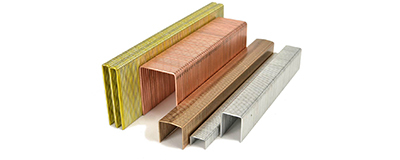
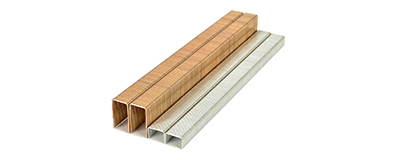
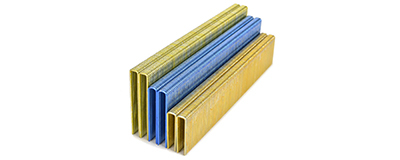
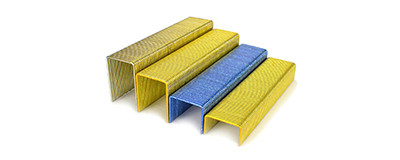
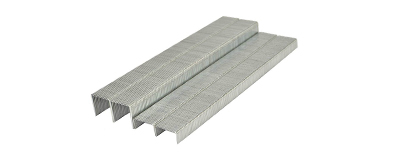
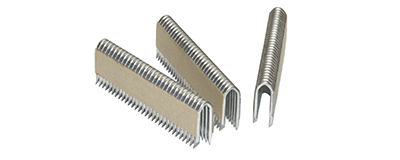
Manufacturers use many types of industrial fasteners. Common options include coil nails, strip nails, and finish nails for assembly. Industrial staples (fine, medium, and heavy wire) and hog rings serve different purposes. Each fastener type is designed for specific applications and materials.