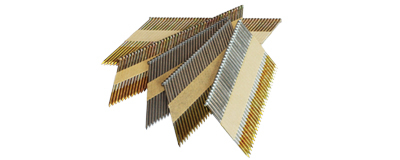
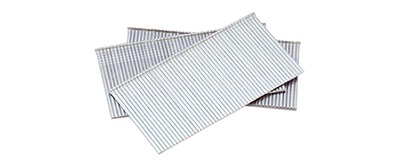
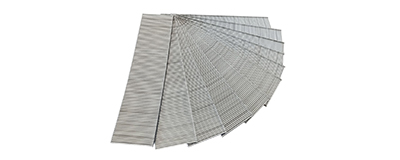
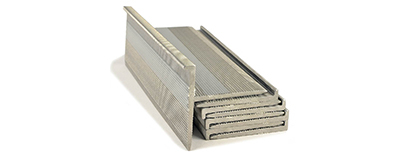
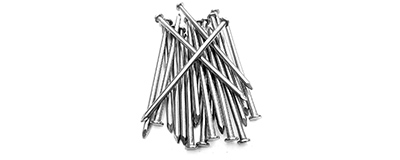
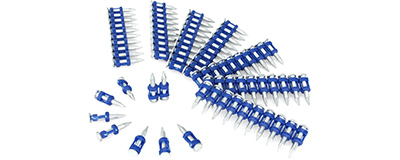
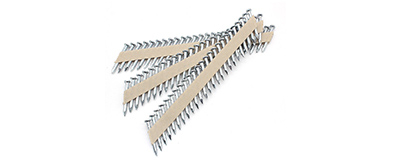
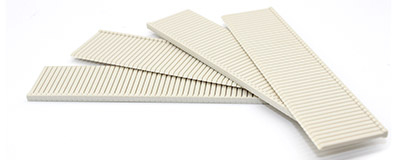
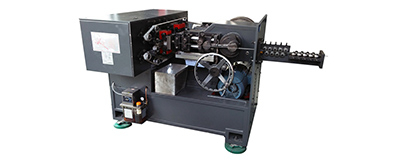
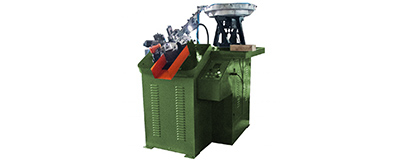
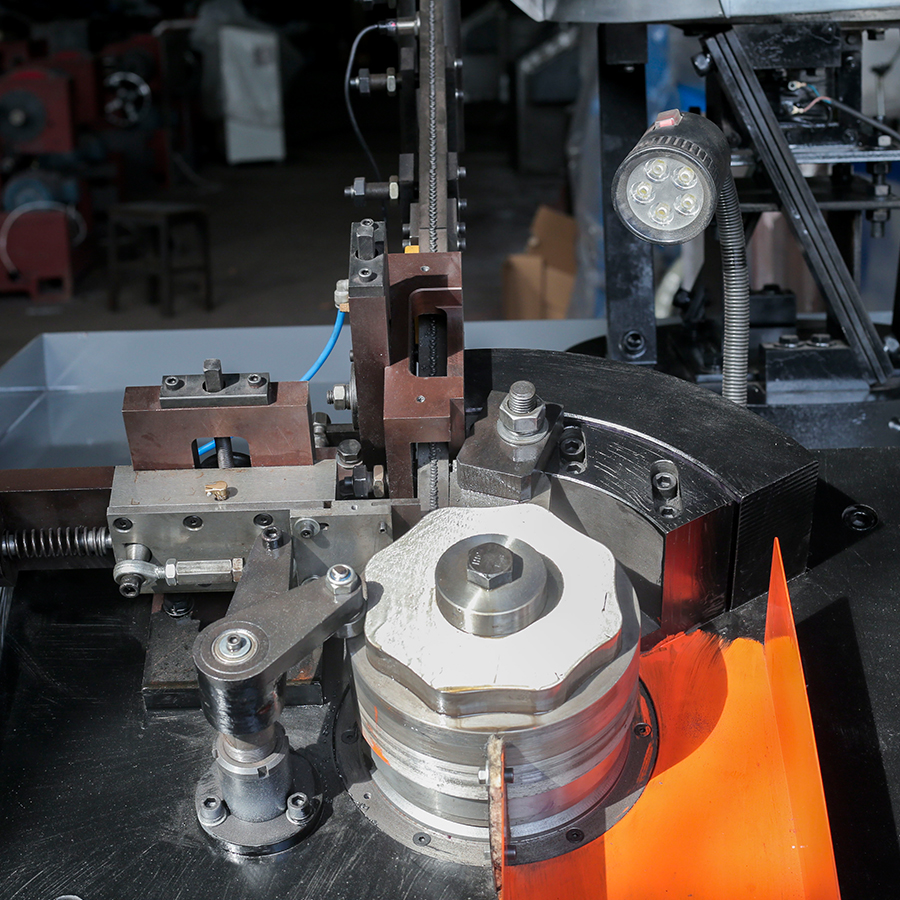
KYA supplies automatic nail thread rolling machines for producing screw shank nails, ring shank nails and selected specialty nail profiles. Our machines are designed for fastener manufacturers, nail production factories, pallet nail suppliers and industrial machinery distributors requiring controlled nail shank forming operations.
The KYA-GS-100 thread rolling machine is designed to process preformed nails into threaded or ring-shank configurations using compatible rolling dies. Published reference specifications include nail diameters of 1.5–4.5 mm, nail lengths of 20–100 mm and a rated operating speed of 1,000–1,500 nails per minute.
KYA also offers the KYA-C nail thread rolling machine for selected ring, screw and specialty nail shank production. Buyers should compare the machine model, nail dimensions, rolling die design, feeding system, production capacity and electrical requirements before selecting equipment.
Request a Thread Rolling Machine Quotation
A nail thread rolling machine is industrial equipment used to form raised or recessed profiles on the shanks of previously manufactured nails. Depending on the rolling die configuration, the machine can produce screw shank, ring shank or other specified nail surface patterns.
Unlike a wire nail making machine, a thread rolling machine does not normally perform the initial wire cutting, nail head forming and nail point forming operations. It processes finished nail blanks by rolling their shanks between specially designed forming dies.
During thread rolling, controlled pressure plastically deforms the nail shank surface to create the required profile. Nail material, diameter, length, feeding condition, die geometry and machine adjustment all affect the resulting pattern and production performance.
Screw shank nails feature a helical or twisted pattern along the nail shank. This configuration is used in selected timber fastening, wooden pallet assembly, packaging and construction applications where a profiled nail shank is specified.
The screw shank pattern is produced using suitable rolling dies. Profile pitch, depth, length and final nail dimensions should be specified according to the finished nail requirements.
Ring shank nails have annular ridges formed around the shank. They are widely used in selected pallet, wooden crate, panel fastening and other timber applications where resistance to nail withdrawal is important.
The appropriate ring profile depends on the nail diameter, substrate, fastening specification and rolling die configuration. Holding performance should be evaluated for the complete nail and application rather than inferred from the shank pattern alone.
Selected rolling machines may be configured with suitable dies to produce other specified nail shank patterns. Available profiles depend on machine capacity, forming die geometry and the characteristics of the nail material.
The KYA-GS-100 is designed for screw shank and ring shank nail production. The following table retains the technical parameters from KYA's published category specifications.
| Parameter | KYA-GS-100 Specification |
|---|---|
| Model | KYA-GS-100 |
| Production Speed | 1,000–1,500 pcs/min |
| Nail Diameter Range | 1.5–4.5 mm |
| Nail Length Range | 20–100 mm |
| Motor Power | 5.5 kW |
| Machine Weight | 1,500 kg |
These are published reference specifications for the KYA-GS-100. Actual operating speed depends on nail diameter, nail length, rolling profile, feeding conditions, die design and machine adjustment. The final configuration should be confirmed before ordering.
KYA provides different machine references for nail shank rolling operations. The comparison below distinguishes the published specifications for the two models.
| Parameter | KYA-GS-100 | KYA-C |
|---|---|---|
| Rated Speed | 1,000–1,500 pcs/min | Up to 1,200 pcs/min |
| Nail Diameter | 1.5–4.5 mm | 1.8–4.5 mm |
| Nail Length | 20–100 mm | Less than 100 mm |
| Motor Power | 5.5 kW | 5.5 kW |
| Machine Weight | 1,500 kg | Approximately 1,500 kg |
| Application | Screw and ring shank nail rolling | Screw, ring and selected specialty shank profiles |
The two models should be evaluated according to the intended nail range, shank profile, tooling and production conditions. Published rated speeds should not be interpreted as guaranteed output for every nail size.
View KYA-C Nail Thread Rolling Machine
The machine uses a coordinated feeding and rolling process to guide individual nails into the forming area. The following images show the original equipment components.
Orients and feeds individual nails into the rolling operation.
Provides the selected forming geometry for the required nail profile.
Forms the nail shank surface through controlled rolling pressure.
Thread rolling takes place after the initial nail manufacturing process. Proper control of material feeding, die alignment and nail positioning is necessary to obtain the required profile.
Nail preparation: Finished nail blanks are checked for the required diameter, length, head type and material.
Automatic feeding: A vibrating feeding system arranges nails and delivers them to the rolling mechanism.
Profile forming: The rolling dies apply pressure to the nail shank, producing the specified screw or ring pattern.
Finished nail discharge: Rolled nails leave the forming area for collection, inspection or further processing.
Downstream operations: Suitable finished nails may enter a coil nail welding or collating process if required.
The machine should be configured according to the required shank pattern and nail material. Actual tooling, feeding and setup procedures depend on the ordered equipment.
The following images show two common nail profiles produced using suitable thread rolling dies.
Nails with rolled helical patterns for specified timber and industrial fastening applications.
Nails with annular ridges for applications requiring a specified withdrawal-resistance profile.
A nail making machine and a nail thread rolling machine perform separate manufacturing operations. Understanding their functions is important when planning a nail production line.
| Machine Type | Main Function | Typical Output |
|---|---|---|
| Wire Nail Making Machine | Cuts and forms steel wire into individual nails | Finished nail blanks |
| Nail Thread Rolling Machine | Rolls screw or ring profiles onto existing nail shanks | Profiled screw or ring shank nails |
| Coil Nail Collating Machine | Aligns and joins compatible nails into coils | Collated coil nails |
In a typical coil nail production line, the nail making machine forms individual nails, the thread rolling machine produces the required shank profile, and the downstream collating machine assembles the nails into coils where applicable.
Explore KYA Nail Making Machines
Rated rolling speed is an important specification, but actual production output depends on nail dimensions, die configuration, feeder performance, machine setup and the required quality of the rolled profile.
The published KYA-GS-100 speed range is 1,000–1,500 nails per minute. For production line planning, the thread rolling machine should be matched to the output of the upstream nail making equipment and any downstream collating machinery.
| Production Factor | What Buyers Should Evaluate |
|---|---|
| Nail Diameter | Actual dimensions of the nail blanks entering the machine |
| Nail Length | Supported length for the feeder and rolling system |
| Thread Profile | Screw or ring pattern, depth and length |
| Feed System | Nail orientation, feeding stability and available supply rate |
| Tooling | Rolling die design, condition and changeover requirements |
| Line Integration | Capacity of upstream nail making and downstream collating equipment |
Thread rolling dies are key production components. Their geometry determines the formed nail shank pattern, while their condition and alignment influence profile consistency and production stability.
Different nail diameters, shank profiles and material grades may require suitable die changes or machine adjustments. Buyers should specify the planned nail range and required thread patterns when selecting tooling.
Routine maintenance should include inspection of the vibratory feeding system, nail guides, rolling dies, mechanical drive, lubrication points, guards and electrical components. Die replacement intervals depend on actual operating conditions and material characteristics.
Machine servicing, jam removal and tooling replacement should only be performed after stopping and safely isolating the equipment according to the operating instructions.
Nail thread rolling machines are used to produce screw and ring shank nails for selected pallet manufacturing and pallet repair applications. The required pattern depends on the pallet design, substrate and fastener specification.
Rolled shank nails are used in suitable wooden crate, shipping box and industrial packaging applications. Manufacturers should confirm nail dimensions, shank profile and finished product requirements.
Screw shank and ring shank nails can be used in specified construction and timber fastening operations. Suitability depends on the application, required mechanical performance and applicable fastening standards.
Thread rolling machines can be integrated between primary nail making machinery and coil nail collating equipment. This arrangement allows manufacturers to produce profiled nails before collation into suitable wire-welded nail coils.
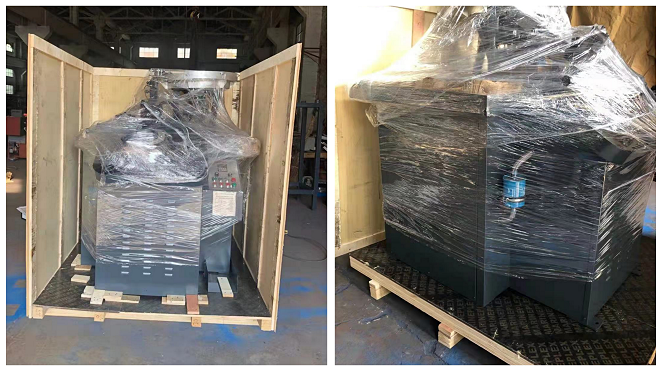
KYA's published equipment information describes protective pallet packing and separately protected spare parts for machine transportation. The actual export packing method should be confirmed according to the ordered machine and shipping arrangements.
Before shipment and installation, confirm machine dimensions, weight, lifting arrangements, unloading equipment, factory power supply, installation space and access for operation and maintenance.
Warranty coverage, payment conditions, delivery arrangements, installation support and documentation should be established in the individual equipment quotation and purchase agreement.
For nail manufacturers and equipment distributors, selecting a machine begins with the nail blanks and the required finished thread profile.
| Selection Parameter | Information Required |
|---|---|
| Machine Model | KYA-GS-100, KYA-C or required specification |
| Nail Diameter | Minimum and maximum diameter of nail blanks |
| Nail Length | Required nail lengths and head configuration |
| Shank Profile | Screw, ring or other specified rolling profile |
| Profile Dimensions | Pitch, profile depth and required rolled length |
| Nail Material | Steel grade, hardness and surface condition |
| Production Capacity | Target nails per minute and operating schedule |
| Rolling Dies | Required die type, size and changeover configuration |
| Electrical Supply | Factory voltage, frequency and phase |
| Production Line | Integration with nail making and collating equipment |
KYA supplies nail thread rolling equipment for fastener production factories, pallet nail manufacturers, coil nail producers and industrial machinery distributors.
For a machine quotation, please provide the following details:
Required nail diameter and length ranges
Screw shank, ring shank or other specified profile
Nail material and finished fastener application
Rolling pitch, profile depth and rolled shank length
Target production speed and factory operating schedule
Existing nail making and coil nail collating equipment
Factory electrical supply and installation requirements
Required rolling dies, spare parts and operating documentation
Number of machines and destination country
For an existing nail production line, provide the current nail samples, dimensional drawings and upstream equipment specifications. KYA can review the selected machine configuration and provide product and quotation information.
Request a Wholesale Machine Quote
A nail thread rolling machine forms screw, ring or other specified shank patterns on previously manufactured nails. It is commonly used in nail production lines serving construction, pallet manufacturing and industrial packaging markets.
The published KYA-GS-100 specification lists nail diameters of 1.5–4.5 mm and nail lengths of 20–100 mm. Confirm individual profile and tooling compatibility for the selected dimensions.
KYA lists a rated production range of 1,000–1,500 nails per minute. Actual output depends on the nail size, rolling pattern, feeder condition, dies and operating setup.
Both are nail thread rolling machine models. KYA-GS-100 is published with a 1,000–1,500 pcs/min speed range, while KYA-C is listed at up to 1,200 pcs/min. Their published nail diameter and length ranges also differ. Select the machine according to actual production requirements.
Yes, compatible machines can form screw and ring shank patterns using appropriate rolling dies. Profile changes may require die replacement and equipment adjustment.
No. A nail thread rolling machine typically processes previously formed nails. A separate nail making machine is used for the initial wire feeding, cutting and nail head and point forming operations.
Screw shank nails have helical patterns along the shank, while ring shank nails have annular ridges. Their performance depends on the profile geometry, nail material, substrate and fastening application.
The published motor power is 5.5 kW. This is the motor rating, not a guaranteed electricity consumption value per hour or per thousand nails. Actual energy use varies with operating conditions.
The published KYA-GS-100 machine weight is 1,500 kg. Confirm the final shipping weight, dimensions and packing configuration for transport and installation planning.
The KYA-GS-100 product information describes a vibrating feeding plate that arranges nails and delivers them into the rolling process. Actual feeding performance depends on nail dimensions and machine configuration.
Suitable rolling dies can be selected for different nail profiles. Die compatibility, changeover procedure and available patterns must be confirmed for the selected machine and nail specification.
Yes. Thread rolling equipment can be used after nail making and before coil nail collation, provided that the nail dimensions and processing capacities are compatible with the production line.
Routine maintenance includes checking feeding components, nail guides, rolling dies, lubrication, drive mechanisms and electrical safety components. Follow the maintenance procedures for the actual machine.
Warranty coverage, installation documentation, spare parts and service arrangements should be confirmed in the quotation and equipment purchase agreement for the selected machine.
Provide the required nail diameter, nail length, screw or ring profile, nail material, intended production speed, existing equipment, electrical supply, tooling requirements, machine quantity and destination country.