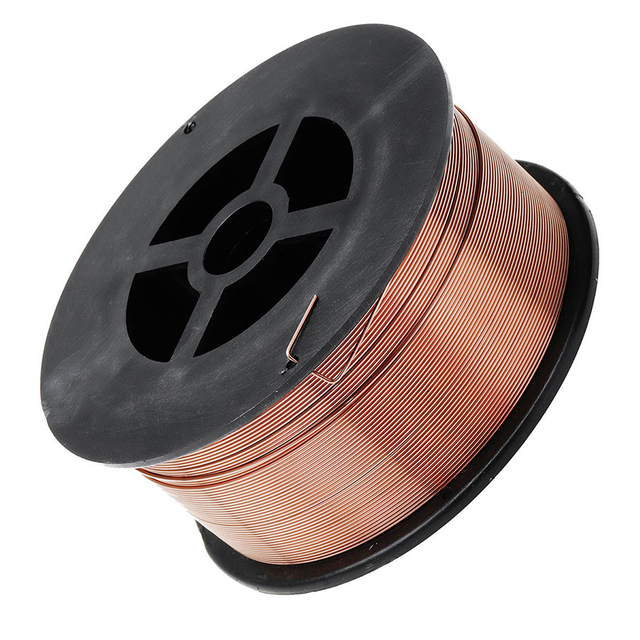
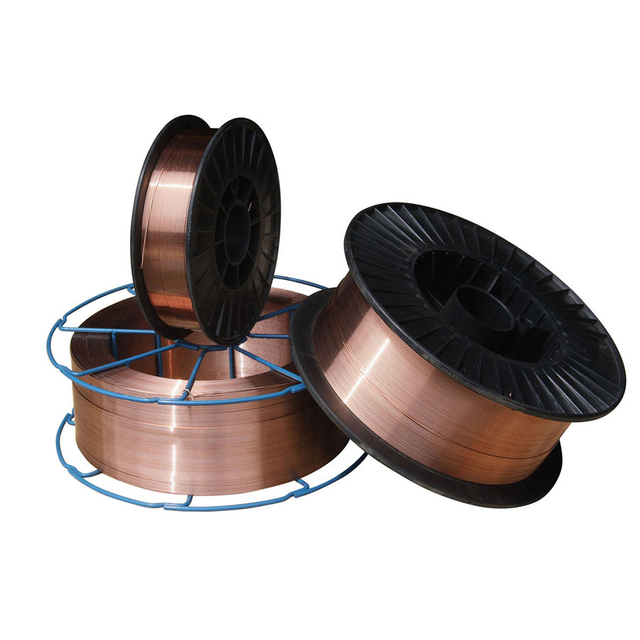
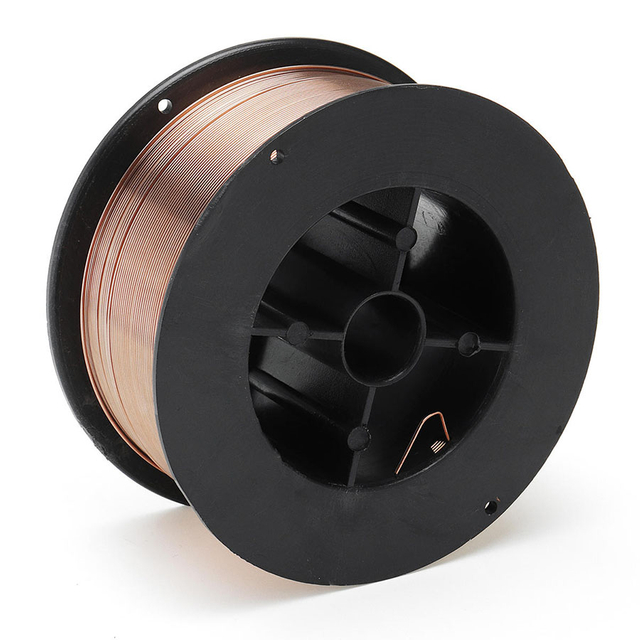
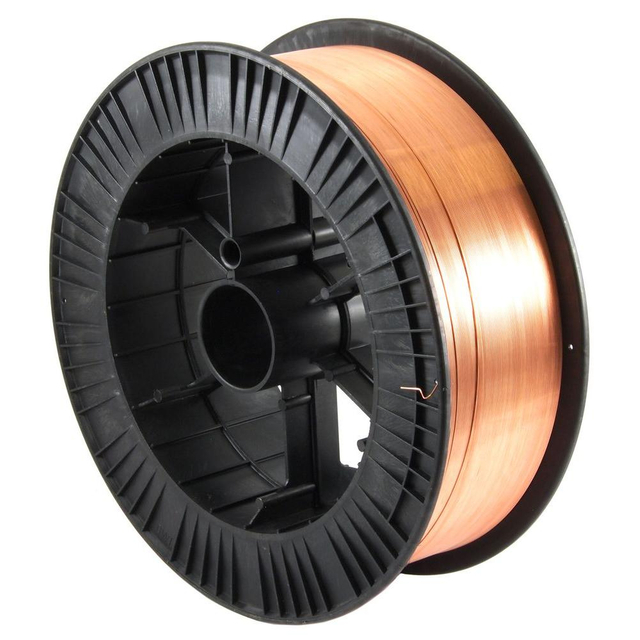
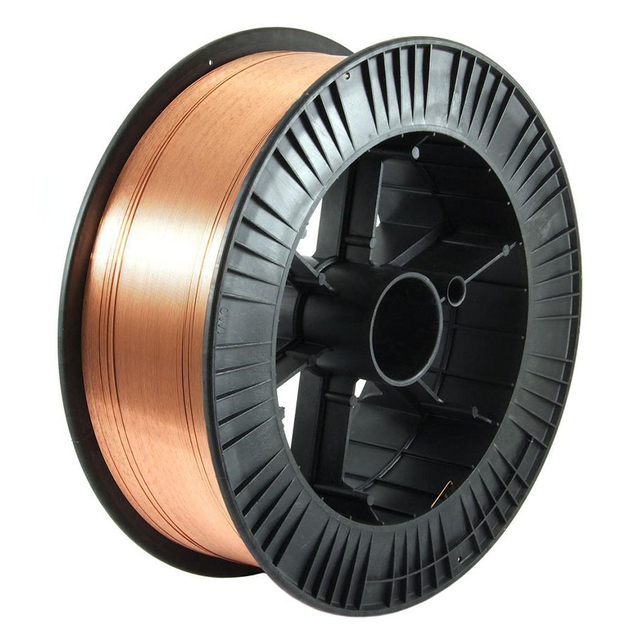
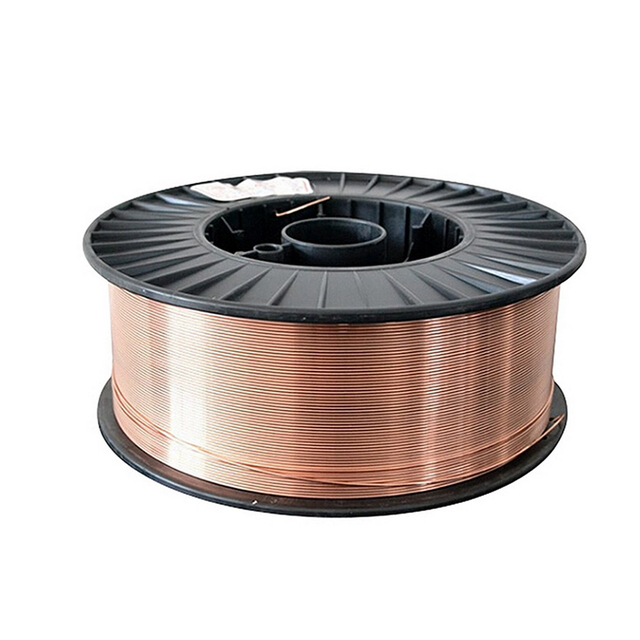
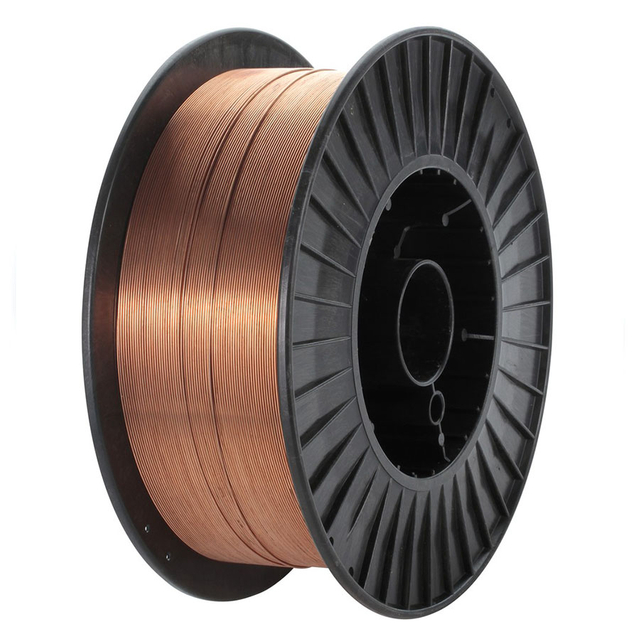
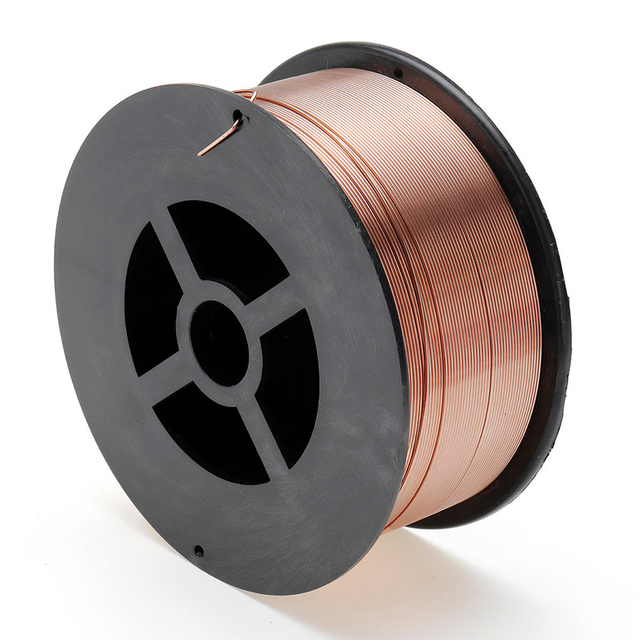
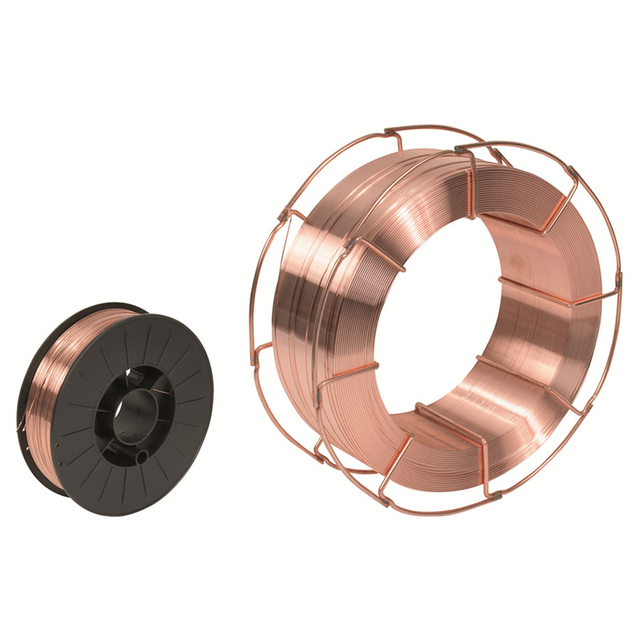
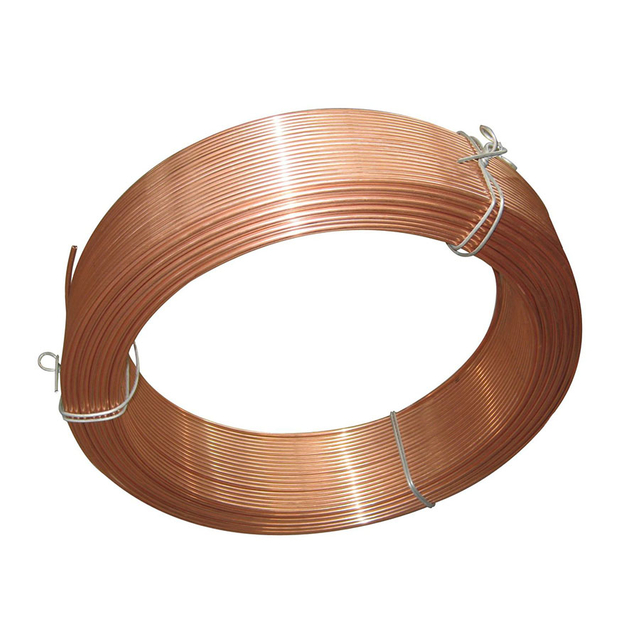
KYA supplies industrial welding wire for metal fabrication, machinery manufacturing, structural steelwork, industrial equipment production and professional welding operations. Our range includes solid MIG welding wire, CO2 gas-shielded welding wire, selected TIG welding filler wire and submerged arc welding wire for compatible welding processes.
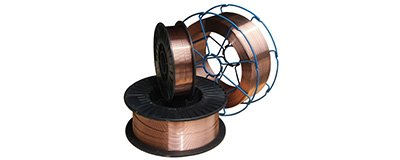
Available products include ER70S-6 mild steel welding wire, selected ER70S-G references, TIG welding wire, submerged arc welding wire and specialty wire products for industrial manufacturing. KYA also lists copper-coated welding wire in different diameters and selected spool configurations.
Our welding consumables are intended for welding supply distributors, fabrication workshops, machinery manufacturers, steel structure contractors and professional industrial buyers. Product selection should be based on the welding process, base metal, required filler classification, wire diameter, shielding gas, mechanical property requirements and welding equipment.
Request Welding Wire Wholesale Pricing
MIG welding wire is a continuously fed consumable electrode used in gas metal arc welding (GMAW). A welding gun feeds the wire into the arc, where it melts and supplies filler metal to the weld joint. The molten weld pool is protected by an appropriate shielding gas.
KYA lists mild steel MIG welding wire products, including ER70S-6 in copper-coated configurations. These products are used in compatible welding applications involving carbon steel and suitable low-alloy steels.
Select MIG welding wire according to the specified filler classification, wire diameter, welding current, shielding gas and required weld-metal performance.
ER70S-6 is a commonly specified carbon steel solid welding wire used in GMAW applications. Its manganese and silicon deoxidizer content supports welding performance on suitably prepared carbon steel materials, including some steels with limited mill scale or surface oxidation.
KYA lists ER70S-6 products for CO2 and suitable argon-based mixed shielding gases. The correct gas composition, welding parameters and weld procedure depend on the base metal and application.
ER70S-6 wire is used in general steel fabrication, machinery manufacture, structural components and other approved carbon steel welding applications.
ER70S-G is a filler metal classification with composition requirements that should be verified through the applicable product specification. It should not automatically be treated as identical to ER70S-6.
For ER70S-G inquiries, provide the required chemical composition, applicable classification, base metal, shielding gas and mechanical properties. Product availability and suitability should be confirmed for the required welding procedure.
TIG welding, also known as gas tungsten arc welding (GTAW), uses a non-consumable tungsten electrode to generate the arc. A separate filler rod or wire may be added to the weld pool as required by the joint and welding procedure.
KYA lists copper-coated TIG welding wire products. Buyers should verify the filler metal classification, diameter, length or supply form, base metal compatibility and specified shielding gas.
MIG welding operating parameters should not be applied directly to TIG welding. The processes use different electrode arrangements and equipment settings.
Submerged arc welding (SAW) uses a continuously fed consumable wire electrode and a granular flux that covers the welding arc. The flux and wire must be selected as a compatible system to achieve the required weld properties.
KYA's published welding material range references H08A (EL12), H08MnA (EM12) and H10Mn2 (EH14) submerged arc welding wire grades. The exact grade, flux pairing and applicable classification should be confirmed for the selected product.
SAW wire is used in suitable mechanized welding operations for steel structures, heavy fabrication and other industrial assemblies where the welding procedure permits the process.
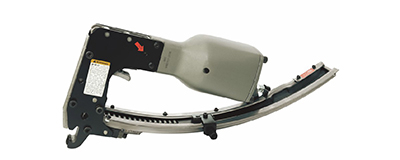
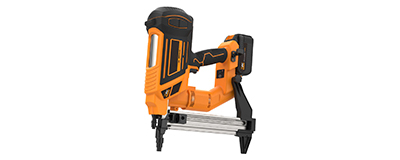
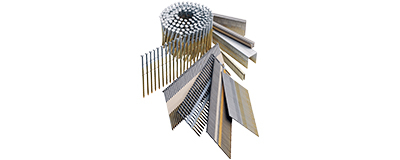
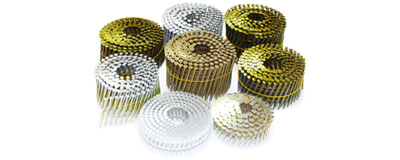
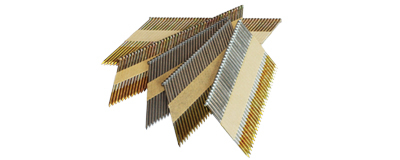
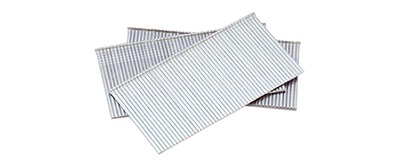
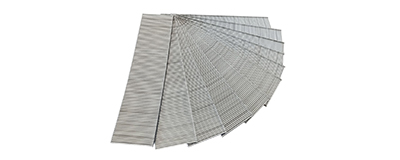
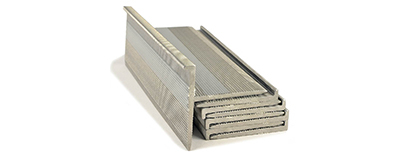
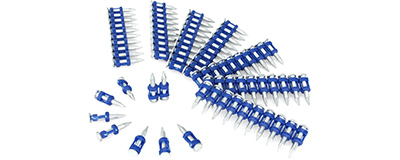
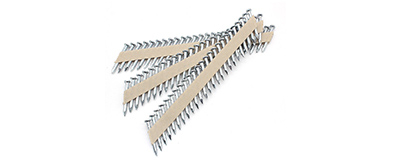
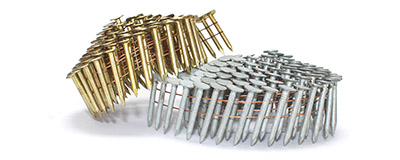
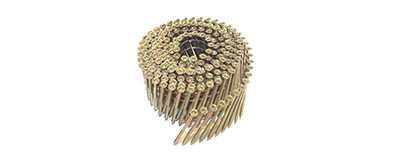
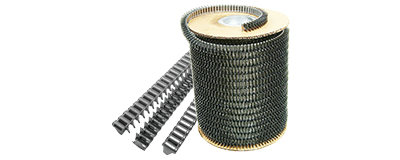
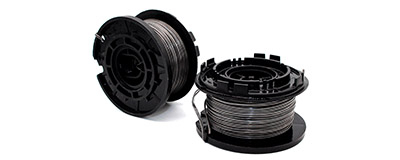
KYA also lists welding wire for collated coil nail production. This product has a different industrial purpose from consumable arc welding filler wire used for metal joining.
Manufacturers should provide the coil nail production equipment, wire dimensions, material and joining requirements when requesting this type of industrial welding wire.
Different welding processes require different consumable forms and operating conditions. Select the welding wire according to the process and the applicable welding procedure.
| Welding Process | Filler Arrangement | Protection Method | Typical Application |
|---|---|---|---|
| MIG / GMAW | Continuously fed consumable wire electrode | External shielding gas | General steel fabrication and manufacturing |
| TIG / GTAW | Separate filler rod or wire with tungsten electrode | Inert shielding gas | Precision joints and controlled welding operations |
| SAW | Continuously fed consumable wire electrode | Granular welding flux | Mechanized and heavy steel fabrication |
The required welding wire classification, shielding medium and operating range must be verified for the selected process. Filler metals should not be interchanged solely because they have a similar diameter or steel composition.
ER70S-6 is widely used as a mild steel solid wire for gas metal arc welding. The nominal filler composition includes manganese and silicon deoxidizers. Welding characteristics depend on the wire quality, shielding gas, base metal, equipment settings and welding procedure.
The following chemical composition and mechanical property figures are reference values published in KYA's welding wire information. They should not be interpreted as guaranteed results for every production batch or shielding gas combination.
The table below shows the published elemental analysis. Values are expressed as percentages by mass.
| C | Mn | Si | P | S | Ni | Cr | Cu | V |
|---|---|---|---|---|---|---|---|---|
| 0.08 | 1.51 | 0.89 | 0.015 | 0.013 | 0.016 | 0.021 | 0.18 | 0.003 |
C is carbon, Mn manganese, Si silicon, P phosphorus, S sulfur, Ni nickel, Cr chromium, Cu copper and V vanadium. The required chemical limits must be checked against the applicable filler metal classification and the supplied product specification.
The following values are KYA's published reference mechanical properties. Actual deposited weld metal performance can vary with shielding gas, welding parameters, testing conditions and the selected product.
| Mechanical Property | Published Reference Value |
|---|---|
| Tensile Strength, Rm | 545 MPa |
| Yield Strength, ReL or Rp0.2 | 452 MPa |
| Elongation | 29% |
| Published Impact Energy Reference | 91 J at -30°C |
For applications requiring certified impact toughness, strength or weld procedure qualification, confirm the relevant test report, test method, shielding gas and acceptance criteria for the actual supplied product.
KYA's published ER70S-6 reference parameters include nominal diameters of 0.8 mm, 1.0 mm, 1.2 mm and 1.6 mm. The table below retains the listed values.
| Parameter | 0.8 mm | 1.0 mm | 1.2 mm | 1.6 mm |
|---|---|---|---|---|
| Welding Current | 50–120 A | 70–180 A | 80–350 A | 140–500 A |
| Welding Voltage | 15–22 V | 18–24 V | 18–34 V | 20–42 V |
| Reference Current | 100 A | 150 A | 280 A | 350 A |
These are reference ranges rather than a complete welding procedure. Appropriate values depend on wire feed speed, transfer mode, welding position, shielding gas, base material, electrode stickout and equipment. Qualified welding procedures must take precedence where required.
KYA's original product information references CO2, Ar + 5% CO2 and Ar + 2% O2 shielding gas configurations. Additional suitable argon-CO2 mixtures may be specified for particular ER70S-6 welding products and procedures.
The selected shielding gas influences arc behavior, metal transfer, penetration, spatter and deposited weld metal properties. Confirm the gas composition according to the wire product and the required welding procedure.
| Shielding Gas | Selection Considerations |
|---|---|
| 100% CO2 | Common for compatible carbon steel GMAW applications; evaluate penetration and spatter behavior |
| Argon + CO2 Mixture | Select the ratio for the intended metal transfer, arc characteristics and welding procedure |
| Argon + 2% O2 | Use only where specified for the wire, base metal and qualified process |
KYA lists solid MIG welding wire products in metric and imperial diameter designations, including 0.8 mm, 0.9 mm, 1.0 mm, 1.2 mm, 1.6 mm, .030 inch, .035 inch and .045 inch references within the published range.
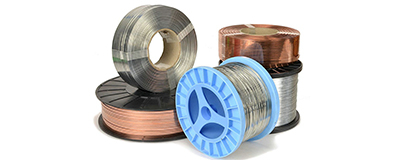
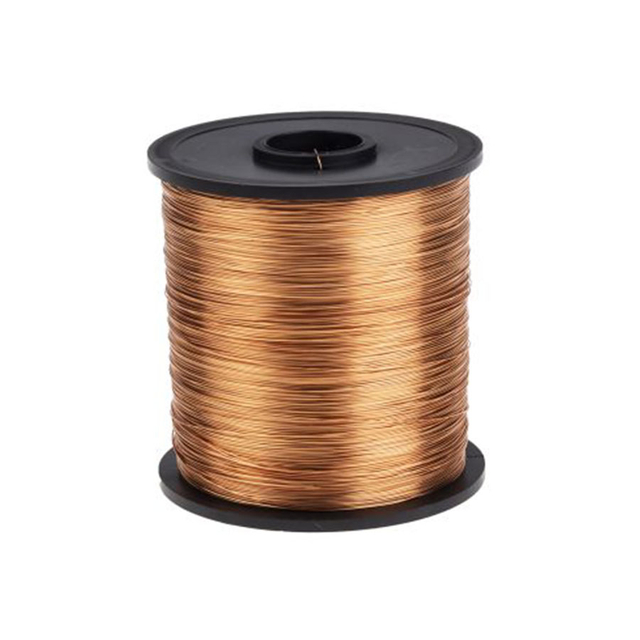
Published packaging references include 5 kg, 15 kg and 20 kg spool formats, as well as individual products described using 33 lb spool packaging. Availability and packing configuration should be confirmed for each wire grade and diameter.
| Purchasing Parameter | What to Confirm |
|---|---|
| Filler Classification | ER70S-6, ER70S-G or other specified grade |
| Wire Diameter | Actual metric or imperial diameter and tolerance |
| Wire Finish | Copper-coated or other specified surface condition |
| Spool Weight | Required net welding wire mass per spool |
| Spool Dimensions | Outside diameter, hub and mounting compatibility |
| Welding Equipment | Power source, wire feeder and welding gun compatibility |
| Shielding Medium | Required shielding gas or submerged arc flux system |
| Technical Requirements | Classification, batch documents and mechanical performance requirements |
ER70S-6 solid MIG welding wire is used in suitable carbon steel fabrication processes for frames, brackets, fabricated assemblies and industrial components. The filler classification must match the base metal and welding procedure.
Welding wire is used in manufacturing machinery components, equipment frames and steel assemblies. Wire diameter, welding process and deposited weld properties should match the joint design and production specifications.
Selected gas-shielded welding wires and submerged arc welding wire systems may be used in structural steel fabrication. Projects with specified code requirements require suitable filler classifications, welding procedures and supporting documentation.
Industrial welding consumables are used in selected shipbuilding and heavy fabrication operations. Material suitability depends on the steel grade, joint configuration, welding process, required toughness and applicable fabrication rules.
Welding wire for pressure equipment, boiler components and piping must be selected according to the applicable construction requirements and qualified welding procedure. The general availability of a filler grade does not imply approval for every pressure-containing application.
Choosing a welding wire starts with the material being welded and the welding process. Product classification, wire diameter and the required properties should be considered together.
Welding process: Confirm MIG/GMAW, TIG/GTAW or SAW.
Base metal: Identify the steel grade and relevant material standard.
Filler classification: Specify ER70S-6, ER70S-G or the applicable submerged arc wire grade.
Wire diameter: Match the wire to the equipment, metal thickness and welding procedure.
Shielding medium: Confirm CO2, argon-based gas or the approved welding flux.
Weld properties: Specify required tensile strength, yield strength, elongation and impact toughness where applicable.
Welding position: Confirm that the selected process and procedure support the intended position.
Wire feeding: Verify drive rolls, wire liner, contact tip and spool compatibility.
Packaging: Specify spool weight, diameter and protection requirements.
Documentation: Identify any required material certificates, test reports or batch traceability.
For safety-critical or code-controlled fabrication, the approved welding procedure, applicable standards and project requirements take precedence over general product descriptions.
KYA supplies welding wire for welding consumable distributors, steel fabrication companies, machinery manufacturers and industrial procurement teams seeking specified wire grades and packaging configurations.
To request a quotation, provide the following information:
Required welding wire type and grade
Welding process and applicable classification
Base metal and intended fabrication application
Wire diameter and surface finish
Shielding gas or submerged arc flux requirements
Required mechanical properties and test documentation
Spool or other requested supply format
Welding equipment and wire feeder details
Order quantity and packaging requirements
Destination country and shipping requirements
For replacement welding consumables, provide the existing product classification, label, technical specification or sample information. KYA can review the requested wire configuration and provide product and quotation information.
Request a Wholesale Welding Wire Quote
KYA lists ER70S-6 MIG welding wire, selected TIG filler wire, CO2 gas-shielded welding wire, submerged arc welding wire and industrial welding wire for collated nail manufacturing. Confirm the specifications of the selected product.
ER70S-6 is a carbon steel solid filler wire used in suitable gas metal arc welding applications. Common uses include general fabrication, machinery components and compatible structural steel assemblies.
ER70S-6 has a defined filler classification with specified chemical composition requirements. ER70S-G requires verification of the actual product composition and applicable classification. The two should not be substituted without checking the welding requirements.
Yes, ER70S-6 is commonly used with CO2 shielding gas in compatible GMAW applications. The welding settings and deposited weld properties may differ from those obtained with argon-based gas mixtures.
Yes, suitable argon-CO2 mixtures are used with ER70S-6 for many carbon steel welding operations. Select the ratio and welding parameters according to the wire specification and approved procedure.
MIG wire acts as a continuously fed consumable electrode in GMAW. TIG filler rod or wire is supplied separately from the non-consumable tungsten electrode in GTAW. The equipment and operating parameters differ between these processes.
Submerged arc welding wire is a consumable electrode used with a granular welding flux. The wire and flux must be selected together to achieve the required weld properties for the intended application.
These are wire grade designations referenced for submerged arc welding. The required wire composition, applicable classification, flux combination and mechanical properties should be confirmed for the actual welding procedure.
KYA's published range includes MIG welding wire products with nominal diameters such as 0.8 mm, 0.9 mm, 1.0 mm, 1.2 mm and 1.6 mm, as well as imperial designations. Confirm the actual available diameter for each wire grade.
KYA's published product information references 5 kg, 15 kg and 20 kg packaging formats, with certain products also described as 33 lb spools. The supplied package should be confirmed for the exact product.
Solid ER70S-6 GMAW wire does not operate with a conventional slag-forming flux like submerged arc welding. Surface silicate islands or other welding residues can occur depending on the process and weld conditions. Cleaning requirements depend on the finished application.
ER70S-6 may be used in multiple welding positions with suitable equipment and procedures. The permitted position, metal transfer mode and operating settings must be confirmed for the specific joint and application.
Consider the base metal thickness, joint design, welding current, wire feeder capability, welding position and required production conditions. Select a diameter supported by the welding procedure and equipment.
Provide the welding wire grade, diameter, process, shielding medium, required standards, packaging size, mechanical properties, order quantity and destination country. Include technical specifications or test documentation requirements where applicable.
FURNITURE ACCESSORIES
OFFICE SUPPLIES
PACKAGING MATERIAL