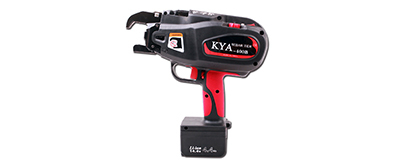
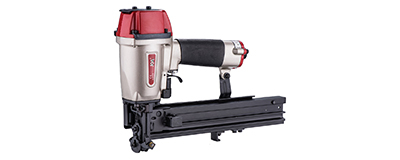
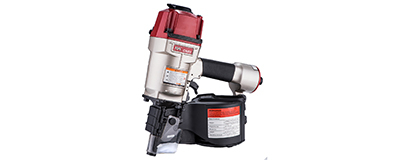
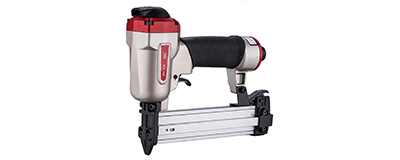
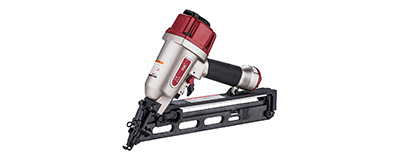
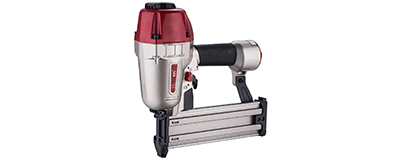
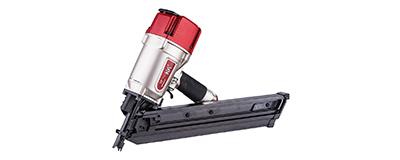
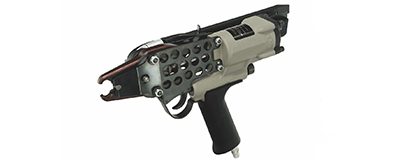
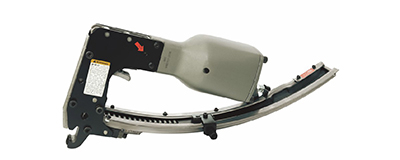
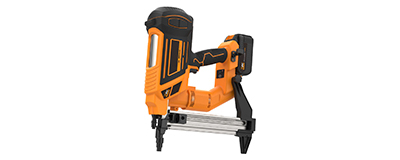
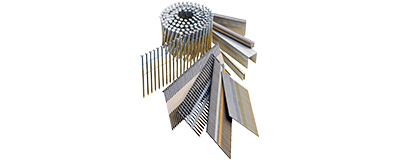
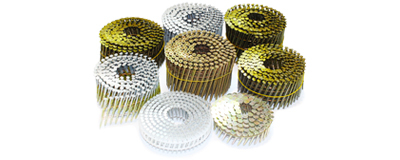
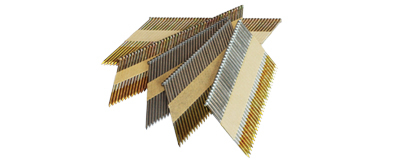
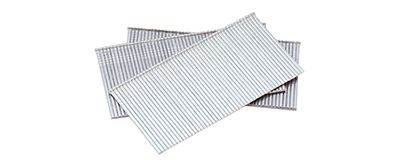
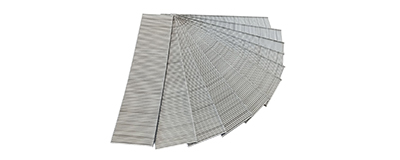
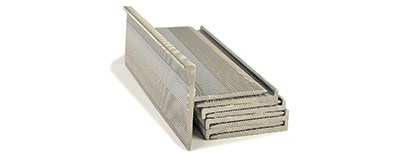
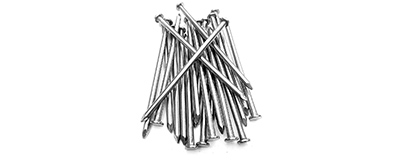
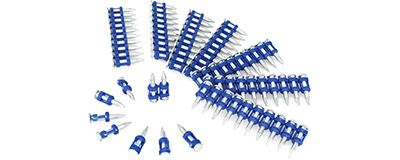
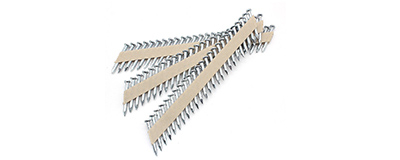
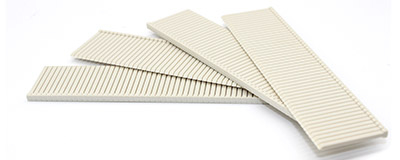
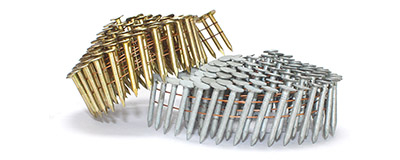
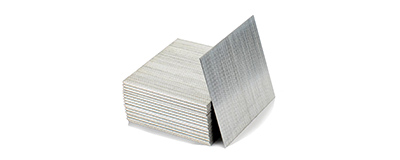
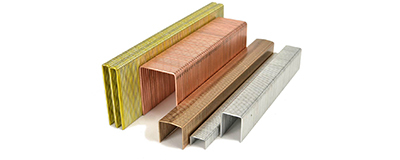
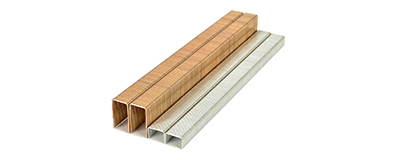
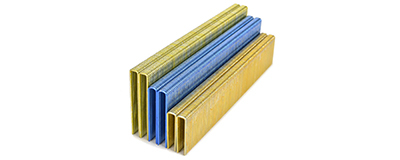
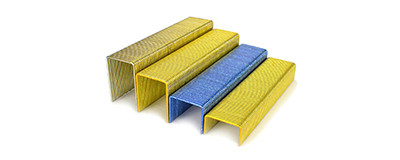
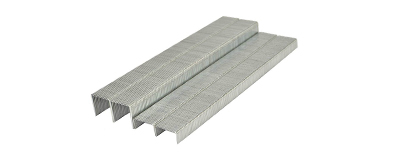
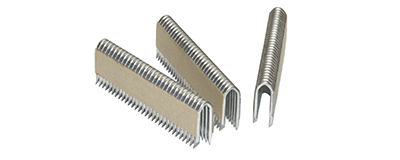
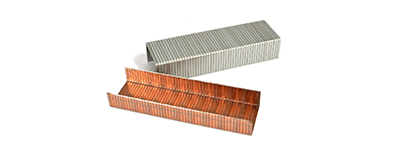
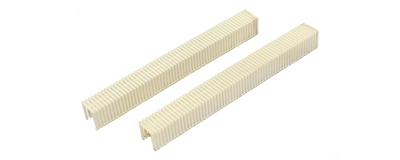
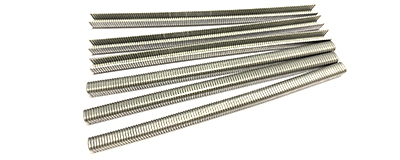
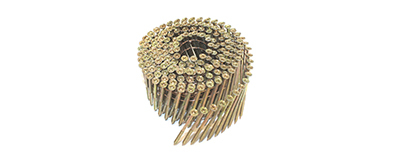
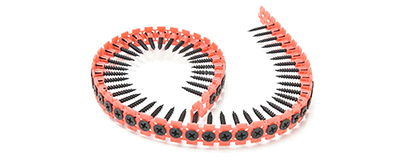
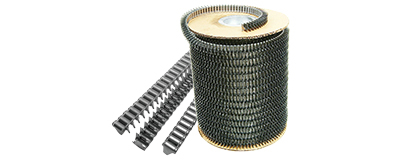
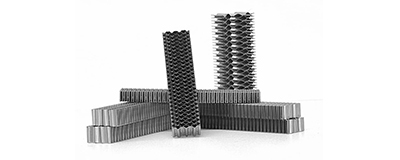


You use certified nails to guarantee safety and long-term project reliability. Certified Quality Nails undergo tough tests for material strength and correct dimensions. Standard nails often skip this rigorous process. This strict testing helps you prevent costly failures and meet building code rules.
Using the right fasteners provides critical peace of mind, ensuring your work stands strong from the very start.
The Hidden Dangers of Low-Quality Nails

You might think a nail is just a nail. This simple mistake can introduce serious risks into your projects. Using uncertified, low-quality nails is a gamble with safety, your budget, and your reputation. These hidden dangers can turn a successful project into a costly disaster.
Structural Failures and Safety Risks
The most severe risk of using inferior nails is structural failure. A building is only as strong as its weakest connection. When you use nails that have not been tested, you invite catastrophic problems. These nails can fail under normal stress, leading to collapses that endanger lives.
Low-quality fasteners often cannot handle expected loads. They fail in predictable yet dangerous ways.
Shear Failure: A nail can bend, break, or tear the wood when forces push from the side. There are six primary ways a connection can fail under this type of load.
Withdrawal Failure: A nail head can pull completely through the wood when uplift forces are too strong. The nail stays in the main board, but the connection is broken.
A single failed nail can compromise an entire section of a structure. This creates an immediate safety hazard for anyone in or near the building. You must prioritize materials that guarantee stability.
Project Delays and Budget Overruns
Choosing cheap nails to save a few dollars upfront often leads to massive expenses later. When fasteners fail inspection or break during installation, your entire project can grind to a halt. This causes frustrating delays and destroys your budget.
The cost of rework is always higher than the cost of doing it right the first time. Consider the real financial impact of a fastener failure. Replacing a single faulty bolt might cost around $100. If you ignore it, that cost can skyrocket. A minor repair could turn into a $10,000 emergency fix. In a worst-case scenario, a structural collapse could lead to rebuilding costs over $100,000,000, not including legal fees. One project faced a six-week delay and $180,000 in costs just to replace over 3,000 bad fasteners. Using Certified Quality Nails from the start prevents these expensive and time-consuming problems.
Premature Rust and Corrosion
Low-quality nails often lack proper protective coatings. This makes them highly vulnerable to rust, especially in outdoor or damp environments. Corrosion is more than just an ugly orange stain; it is a silent threat to structural integrity.
As a nail rusts, it weakens and loses its strength. This corrosion directly impacts its ability to hold wood together.
Rust eats away at the metal, reducing the nail's diameter and strength.
Corroded fasteners can cause a loss of structural stability in walls and frames.
Moisture in the wood can speed up corrosion and reduce the nail's withdrawal capacity, making it easier for boards to pull apart.
A quality hot-dip galvanized nail can last over 80 years outdoors. In contrast, a poorly coated nail might start showing rust in just a few years. This premature decay compromises the long-term safety and durability of your work.
What "Certified Quality" Really Means
The term "certified quality" is more than just a label. It represents a strict commitment to excellence at every stage of production. You can trust that these fasteners meet specific, measurable standards for materials, strength, and size. This guarantees reliable performance in your projects.
Verified Raw Material Composition
The quality of a nail begins with its raw materials. Certified nails use pure steel with a controlled chemical makeup. Uncertified nails may use recycled steel containing harmful impurities. Elements like copper and tin are unwanted "tramp elements" that weaken the final product.
Impurities in steel degrade its strength, corrosion resistance, and overall performance. Using nails made from pure, verified materials ensures you avoid these hidden defects from the very start.
Consistent Mechanical Properties
Certified Quality Nails deliver predictable strength because they are tested to meet specific mechanical standards. This means you know exactly how much force a nail can handle before it bends or breaks. Different projects require different strengths, and certification ensures you get the right nail for the job.
You can expect certified nails to meet clear strength ratings:
Mild Steel Nails: Tensile strength of 380–550 MPa
High-Carbon Steel Nails: Tensile strength of 700–900 MPa
Stainless Steel Nails: Tensile strength of 500–750 MPa
This consistency gives you confidence that every connection in your structure is secure and meets engineering requirements.
Precision Manufacturing and Dimensions
Every dimension of a certified nail is manufactured with extreme precision. The head size, shank length, and diameter all fall within tight tolerances. This uniformity is critical for both structural integrity and tool performance. When you use a pneumatic nailer, precisely made nails feed smoothly, preventing jams and misfires that slow you down.
These exact measurements ensure every nail fits and functions perfectly.
Characteristic | Tolerance / Specification |
|---|---|
Shank Length | As precise as ±0.1mm |
Shank Diameter | As precise as ±0.05mm |
Head Diameter | 1.5 to 2 times the shank diameter |
This level of precision guarantees a secure fit and efficient workflow on the job site.
The Tangible Benefits of Certified Quality Nails

Choosing certified nails offers clear advantages that you can see on the job site and in your final project. These benefits go beyond simple connections. They improve safety, boost your work speed, and ensure your structures last for decades. You invest in quality, efficiency, and long-term reliability.
Enhanced Safety and Code Compliance
You build with confidence when you use certified fasteners. They are engineered to meet strict safety standards. This ensures your structures are secure and can handle expected loads without failure. Using these nails is also the easiest way to meet local and international building codes.
Building codes, like the International Building Code (IBC) and International Residential Code (IRC), have specific rules for fasteners. For example, when you work with pressure-treated lumber, codes require fasteners with specific protective coatings. The International Code Council (ICC) mandates approval under AC257, which ensures the fastener's coating performs as well as or better than hot-dipped galvanized coatings.
Using fasteners with an official ICC-ES report gives you proof of compliance. This simple step helps you avoid failed inspections, project shutdowns, and potential legal issues. You show inspectors that your work meets the highest safety standards.
Improved On-Site Work Efficiency
Your productivity on the job site gets a major boost from high-quality fasteners. Certified nails are made with precision, so they work perfectly with pneumatic tools. This uniformity means fewer jams, misfires, and delays. You spend more time building and less time fixing your tools.
Using collated certified nails streamlines high-volume tasks like framing and sheathing.
Faster Installation: You can drive nails more quickly and consistently.
Reduced Downtime: Smooth feeding minimizes tool jams and the need for frequent reloads.
Less Waste: You will not discard bent or broken nails, saving material costs.
One modular housing company saw an 18% increase in output per shift just by switching to precision-engineered collated nails. They also cut jam-related downtime by 90%. Field data shows that premium nails can boost installation efficiency by up to 12% and reduce overall project costs by 10-15% by minimizing rework.
Superior Project Durability
The longevity of your project depends heavily on the durability of its smallest components. Certified Quality Nails are designed to withstand environmental stressors like moisture, humidity, and temperature changes. This resilience comes from advanced protective coatings that prevent rust and corrosion.
Different coatings offer specific levels of protection for various applications. Understanding them helps you choose the right nail for the job.
Coating Type | Primary Benefit | Best Use Case |
|---|---|---|
Hot-Dip Galvanized | Maximum corrosion resistance | Outdoor structures, treated wood |
Phosphate | Enhanced holding power | Interior framing, drywall |
Vinyl Coated | Lubricates for smooth driving | High-speed framing with nail guns |
Painted | Provides a moisture barrier | Fencing, siding, finishing work |
A nail with a proper hot-dip galvanized coating that meets ASTM A153 standards can last for decades, even in harsh outdoor conditions. This coating creates a thick, protective zinc layer that shields the steel from rust. By selecting the correct coated nail, you ensure your work remains strong and stable for years to come, protecting your reputation and your client's investment.
How to Identify and Source Certified Nails
Knowing how to find certified nails is a crucial skill for any builder. You can protect your projects from the risks of low-quality fasteners. You need to learn how to read labels, understand technical data, and choose the right partners. This knowledge empowers you to build with confidence.
Understanding Certification Marks (e.g., ASTM, ISO)
Certification marks are your first clue to a product's quality. You can find these symbols on the nail packaging or sometimes stamped on the nail head. These marks show that the product meets specific standards set by an official organization.
Two common standards are ASTM and ISO.
ASTM (American Society for Testing and Materials) standards are used mostly in North America.
ISO (International Organization for Standardization) standards are recognized globally.
While both ensure quality, their requirements can differ. For example, an ASTM-certified fastener might have different strength ratings than a similar ISO-certified one. You should also look for other marks like the CE mark, which shows compliance with European Union safety rules.
Reading Product Technical Specifications
Beyond the certification logo, you should review the product's technical specifications. This data sheet gives you the exact details about the nail's performance. It provides critical information that confirms the nail is right for your job.
A technical sheet is the nail's resume. It tells you everything about its material, strength, and coating. You should always ask for this document.
Look for key details like tensile strength, material composition, and coating type (e.g., ASTM A153 for hot-dip galvanization). This information proves the nail meets the standards claimed on its packaging.
Partnering with Reputable Suppliers
Your supplier is your most important partner in sourcing quality fasteners. A trustworthy supplier will always provide genuinely certified products and full documentation. You can vet a supplier by taking a few simple steps.
First, ask for documentation like CE certificates or Safety Data Sheets (MSDS). A professional supplier provides these documents without hesitation. Next, check their reputation. You can read reviews on independent sites like Google Maps to see what other customers say about their products and service. Finally, test their customer support. A reliable company will respond to your questions quickly and professionally.
You make a critical investment in safety and quality when you choose certified fasteners. Prioritizing Certified Quality Nails eliminates the serious risks of structural failure and costly rework. Using fasteners that meet recognized standards helps you avoid legal issues and ensures your projects gain acceptance in the market. This commitment to quality builds confidence in the reliability of your work.
Build with confidence from the start. You can ensure your projects meet the highest standards by using the right materials every time.
FAQ
What is the main difference between certified and standard nails?
You will find that certified nails pass strict tests for strength, material purity, and size. Standard nails often skip this process. This testing guarantees that certified fasteners provide consistent performance and safety, protecting your work from unexpected failures.
Are certified nails more expensive?
Certified nails may have a higher upfront cost. You should view this as an investment in quality. You save significant money over time by preventing costly rework, failed inspections, and structural repairs. Your long-term savings far outweigh the initial price difference.
Where do I find the certification information?
You can find certification marks like ASTM or ISO directly on the product packaging. For complete details, you should always ask your supplier for the product's technical data sheet. This document provides proof of the nail's material, strength, and coating specifications.
Does certification matter for other fasteners like staples or screws?
Yes, the principle of quality certification applies to all fasteners. You should always choose certified staples, screws, and other industrial connectors. Using certified products for every connection ensures the total safety and durability of your project from start to finish.