



























In 2025, rising fastener costs present significant challenges. The primary drivers include rising raw material costs and global supply chain disruptions. These disruptions have a major impact on the prices of every fastener. The higher cost for industrial fasteners directly reflects these market pressures. This complex environment affects the final prices and costs for all fasteners. The impact on raw materials prices is a key factor in rising fastener prices for every industrial fastener.
The Core Driver: Rising Raw Material Costs

The foundation of any fastener is the metal it is made from. The rising raw material costs in 2025 are the single most significant factor pushing up the prices of these essential components. Manufacturers and distributors directly pass these higher material costs to consumers. This creates a challenging market for everyone involved in the supply chain.
Steel, Aluminum, and Nickel Price Surges
Steel, aluminum, and nickel are the key raw materials affecting fastener prices. The market for these metals is experiencing significant volatility. The World Steel Association forecasts that global steel demand will stay mostly flat in 2025. However, steelmaking capacity is set to increase substantially. This imbalance creates unpredictable pricing. This market uncertainty directly impacts the cost of fasteners, with some distributors seeing costs for items like screws and nails jump by 30-50%. These price increases are a direct result of market dynamics and trade policies.
Experts in the field confirm the widespread impact of these material costs. The effects extend beyond just the fastener industry, slowing down major projects in construction and manufacturing.
"My costs have probably increased between 30 and 50% depending on the item. And that is the vast majority of the margin already," states one industry leader. "Steel and aluminum, of course, are used as inputs. And a lot of things like auto manufacturing, aircraft manufacturing, construction, all of those industries will see their input costs go up."
The fluctuating prices for structural steel throughout 2025 highlight this market instability. The data shows significant shifts from one quarter to the next.
Month/Quarter | Structural Steel Price/ton | Change from Previous Period | Year-over-Year Change |
|---|---|---|---|
October 2025 | $2,477.25 | -6.63% (from Q3 to Q4) | -4.7% |
July 2025 | $2,653.03 | +2.06% | N/A |
April 2025 | N/A | +3.15% (from Q1 to Q2) | -10.5% |
January 2025 | N/A | -2.85% | -16.5% |
A mid-2025 market snapshot reveals a complex situation for different steel products. This complexity makes procurement planning difficult for companies that rely on these fasteners.
Demand: Buyers are cautious and adopting a wait-and-see approach.
Inventories: Stock levels are high, which discourages large new orders.
Structural Tubing: Prices have remained very flat for several weeks.
Seamless Tubing: Prices are also flat, but some sizes are becoming harder to find.
The Ripple Effect of Energy Prices
Energy is a hidden but powerful driver of the rising raw material costs. Producing metals like steel, aluminum, and copper is an extremely energy-intensive process. Smelting and refining operations consume massive amounts of electricity and natural gas. When energy prices climb, the production cost for each ton of metal increases. This higher cost is then embedded in the raw materials prices that fastener manufacturers pay.
The impact of energy does not stop at the foundry. Higher fuel costs increase the expense of transporting raw materials to manufacturing plants. They also raise the cost of shipping finished fasteners to distributors and end-users. Every step of the supply chain feels the pressure of higher energy costs. This ripple effect ensures that elevated energy prices translate directly into higher prices for every single fastener. This dynamic affects all metal-based products, making it a pervasive challenge for the entire industrial sector.
Market Dynamics and Demand-Side Pressures
Beyond raw materials, strong market demand creates another layer of price pressure. Several key sectors are expanding, which fuels the increasing demand for fasteners. This surge puts significant pressure on fastener manufacturers to keep up. As a result, the global market for industrial fasteners is becoming more competitive, and manufacturers are passing higher costs to buyers. This situation explains how rising fastener costs are impacting consumers across many industries.
Increased Demand from Key Industries
The construction industry is a primary engine driving the demand for industrial fasteners. A boom in residential and commercial building projects worldwide requires massive quantities of screws, nuts, bolts, and rivets. These fasteners, often made from carbon steel or stainless steel, are essential for structural integrity.
Simultaneously, the automotive and aerospace industries are undergoing major transformations. The shift to electric vehicles (EVs) and lightweight vehicle designs creates demand for advanced fasteners compatible with aluminum and composite materials. The aerospace sector shows similar trends, with its market for specialized fasteners projected to grow significantly.
Industry | Market Size (2025) | CAGR (2025-2035) |
|---|---|---|
Aerospace Fasteners | 7% |
This high demand from multiple large industries creates a challenging environment for the industrial fastener industry. Manufacturers must balance production schedules and material sourcing to meet diverse needs.
The Impact on Specific Industrial Fasteners
The broad demand has a direct impact on the cost of industrial fasteners, especially specialized ones. High-strength fasteners for critical applications like bridges and heavy machinery are naturally more expensive than common bolts. The real issue arises when demand for specialty items surges. This trend affects the entire supply of industrial fasteners.
This impact is especially clear with high-performance fasteners.
Titanium Bolts: These are vital in aerospace and medical applications for their strength and light weight. Growing demand in these high-tech fields pushes their prices up.
Stainless Steel Fasteners: Their corrosion resistance makes them essential for marine and construction use. High demand for durable building materials increases the price of every stainless steel fastener.
This dynamic forces manufacturers to make difficult choices. The increased demand for premium materials like titanium and high-grade steel places immense pressure on fastener manufacturers. They must secure these materials in a competitive market, which directly raises the final price for these essential industrial fasteners.
Persistent Supply Chain Inefficiencies

The journey of a fastener from the factory to the end-user is complex and expensive. Ongoing supply chain disruptions in 2025 continue to create bottlenecks and drive up operational costs. These inefficiencies have a direct impact on the final price that businesses and consumers pay for all fasteners. Manufacturers face these challenges at every step, from shipping to storage.
Global Shipping and Logistics Bottlenecks
Global shipping remains a major source of price pressure. Port congestion, vessel shortages, and unpredictable transit times create significant delays. These issues force manufacturers to pay much higher freight rates. Shipping costs are dramatically higher than before the pandemic. Drewry's composite global index, a key benchmark, is over 300% higher than its 2019 average.
Metric | Current Rate (USD) | Pre-Pandemic (2019) Rate (USD) | Percentage Increase from Pre-Pandemic |
|---|---|---|---|
Drewry's Composite Global Index (per FEU) | $5,868 | $1,420 | 313% |
Shanghai to New York (per 40-foot) | $9,158 | N/A | 17% (recent increase) |
Shanghai to Los Angeles (per 40-foot) | $7,472 | N/A | 12% (recent increase) |
These elevated shipping costs add a substantial expense to every container of industrial fasteners. Manufacturers have no choice but to pass this added cost on to their customers.
Labor Shortages and Increased Wages
The industrial fastener industry also struggles with labor shortages. A lack of qualified workers, from machine operators to warehouse staff and truck drivers, slows down the entire supply chain. To attract and retain talent, manufacturers must offer higher wages and better benefits. These increased labor costs directly contribute to higher production costs. Ultimately, the higher cost of labor has an impact on the price of every fastener produced. These expenses are a necessary part of doing business, but they add to the final price tag.
Warehousing and Inventory Holding Costs
Many people overlook the high cost of storing inventory. The physical fastener often accounts for only 15% of its total cost. The other 85% comes from logistics, procurement, and holding inventory.
The Total Cost of Ownership concept shows that activities beyond manufacturing make up the bulk of fastener costs. This includes development, testing, assembly, and inventories.
Holding large stocks of fasteners incurs several significant expenses for manufacturers:
Storage Costs: This covers the cost of the warehouse building, security, climate control, and equipment.
Financing Costs: Money tied up in inventory cannot be used elsewhere and often involves interest payments on loans.
Control Costs: More inventory requires more staff to count, organize, and manage it.
Shrinkage Costs: This includes losses from damage, theft, or products becoming obsolete.
These combined holding costs can represent 20-30% of the inventory's value. This financial pressure forces manufacturers to increase prices on industrial fasteners to remain profitable.
The Impact of Geopolitics and Trade Policies
Global politics and trade agreements create another layer of complexity driving up fastener costs. Government actions, from imposing tariffs to promoting environmental standards, directly influence the market. These policies create financial uncertainty for manufacturers and add costs that are ultimately passed down the supply chain.
Tariffs and International Trade Disputes
International trade disputes are a primary source of price hikes, with tariffs being the main tool. The U.S. has implemented significant tariffs, some reaching 25% or more, on fasteners from China, Taiwan, and other Asian nations. These tariffs specifically target steel and aluminum. The government also applied a broad 25% tariff on all imported steel and aluminum products, affecting major trade partners. These tariffs on imported fasteners directly increase costs for U.S. manufacturers.
China faces particularly high tariffs from multiple countries. The U.S. tripled its tariffs on many Chinese metals, while Mexico and the EU have also imposed their own duties. This complex web of tariffs creates a challenging environment. Understanding how tariffs are impacting industrial fastener costs is key.
These trade policies have a clear financial impact. The tariffs lead to higher production costs, which manufacturers pass on to customers. This results in more expensive end products. When manufacturers cannot pass on the full cost, their profit margins shrink, making them vulnerable.
Supply Chain Diversification and Reshoring
Ongoing trade disruptions force companies to rethink their global strategies. In response to tariffs, many manufacturers are diversifying their supply chains away from single regions. Companies are exploring alternative manufacturing hubs in countries like Vietnam, Thailand, and India to reduce their reliance on China.
At the same time, some manufacturers are considering reshoring, or bringing production back to the U.S. A nationwide survey in early 2025 is gathering data on these decisions to help shape future policy. The goal of reshoring is often to build a "local-for-local" manufacturing strategy. This approach reduces risks from global shipping, creates domestic jobs, and cuts down on carbon-intensive transportation.
Impact of Environmental Regulations
Stricter environmental regulations add another cost for metal and fastener producers. Compliance with these rules requires significant investment. The impact of these standards is felt across the industry. Key regulations increasing costs for manufacturers include:
Air emissions controls
Wastewater management
Hazardous waste disposal
Conflict mineral sourcing rules
Furthermore, policies like carbon taxes and emissions trading schemes add a direct cost to production. The UK's Carbon Border Adjustment Mechanism (CBAM), for example, applies a tax on the carbon emissions generated during the manufacturing of an imported industrial fastener. Since the policy explicitly includes iron and steel products, it directly raises the price of every imported fastener subject to the rule.
Looking Ahead: What to Expect Beyond 2025
Navigating the future of fastener prices requires a forward-looking perspective on materials, logistics, and strategy. While some pressures may ease, new challenges will emerge, demanding proactive planning from all businesses. Understanding these trends is the first step toward building resilience.
Projections for Material Cost Stability
The outlook for raw material costs beyond 2025 is mixed. Experts forecast an extended downturn for steel prices through 2027, with a recovery not expected before 2028. This potential relief, however, is balanced by growth in other key metals. The overall market for metals is projected to grow, meaning manufacturers will still face a high base cost for many materials.
Raw Material | 2024 Market Value (USD) | Long-term Forecast/CAGR |
|---|---|---|
8.43 trillion | Grows to 10.7 trillion by 2029 | |
Aluminum | 178–180 billion | Steady mid-single-digit pace |
Nickel | 41–43 billion | 6–8%+ CAGR over the next decade |
This data suggests that while one area may see a price drop, others will continue to climb, keeping overall material expenses a significant factor.
The Future of Global Logistics
Technology will reshape global logistics, offering a path to greater efficiency. Projections indicate that by 2025, 95% of evidence-based logistics decisions will be automated. This shift toward AI-driven operations promises a more responsive and resilient supply chain for manufacturers. Key innovations include:
Route Optimization: AI algorithms will analyze real-time data to find the fastest and most fuel-efficient delivery routes.
Intelligent Warehousing: AI-powered systems will optimize inventory placement and streamline order picking with automated robots.
Demand Forecasting: Machine learning will help predict demand fluctuations, allowing for smarter inventory management.
Strategies for Managing Future Fastener Prices
Businesses can adopt several strategies to manage future fastener prices. Diversifying the supplier network is crucial for mitigating risks from unpredictable tariffs. Reliance on a single source is risky due to sudden tariffs. Companies should also consider implementing dynamic inventory models to reduce holding expenses. Exploring alternative materials for a specific fastener can also provide significant savings. The fluid nature of tariffs requires flexible supply chains. Manufacturers must stay agile because of these tariffs. The ongoing threat of new tariffs makes single-sourcing a major vulnerability. Finally, strengthening client collaboration with transparent pricing mechanisms tied to material indices can build long-term stability against tariffs.
The 2025 climb in fastener prices stems from the combined impact of rising raw material costs, supply chain strains, and trade policies. Understanding these drivers is vital for businesses to navigate the market and manage the financial impact of rising fastener costs. Proactive cost management is essential to lessen the effect of these rising costs.
Businesses can use strategies like blanket orders for industrial fasteners to lock in the current cost. This approach helps control the rising costs for industrial fasteners caused by rising raw material costs and other pressures.
FAQ
Why are industrial fasteners so expensive in 2025?
Material costs, shipping problems, and global trade policies are the main drivers. Government tariffs increase the base cost of metals. These tariffs directly affect the final price of all industrial fasteners. The combination of these factors creates significant price pressure across the market.
How do tariffs specifically raise fastener prices?
Governments place tariffs on imported raw materials and finished goods. These tariffs are taxes that importers must pay. The tariffs on steel and aluminum increase production costs. Additional tariffs on imported industrial fasteners add another layer of expense, and these tariffs are passed to consumers.
The impact of tariffs is significant. Multiple tariffs can apply to a single product's journey from raw material to finished good. These compounding tariffs inflate the final cost of industrial fasteners.
What can businesses do about rising costs from tariffs?
Businesses are exploring new suppliers to avoid high tariffs. Some companies are moving production to countries not affected by certain tariffs. This strategy helps manage the unpredictable nature of tariffs. It diversifies the supply chain for industrial fasteners, reducing risk from future tariffs.
Do tariffs affect all types of industrial fasteners equally?
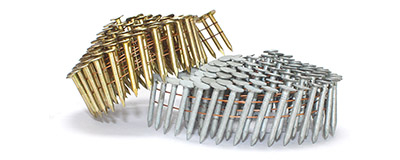
No, the impact of tariffs varies. Tariffs often target specific materials like steel. This means steel-based industrial fasteners, such as heavy wire staples or coil nails, see larger price hikes. The specific origin of a product also determines which tariffs apply, creating complex pricing.