


The importance of supply chains is never clearer than when a single fastener halts an entire production line. An unreliable supply of these critical components directly threatens operational continuity.
Strong supply chain reliability for all fasteners is therefore non-negotiable. Viewing the fastener supply as a strategic asset ensures the reliability of all components. This mindset protects operational continuity and secures every last fastener.
The Hidden Costs of Poor Supply Chain Reliability

An unreliable fastener supply chain creates more than just minor headaches. It introduces significant, often hidden, costs that erode profitability and threaten operational continuity. These expenses go far beyond the price of the fastener itself, impacting production, safety, and logistics.
Production Halts and Spiraling Downtime Costs
A single missing fastener can bring an entire assembly line to a standstill. These production bottlenecks create immediate and massive financial losses. In the automotive industry, for example, a line stoppage can cost an estimated $2.3 million per hour. Even in aerospace, downtime costs range from $10,000 to $50,000 per hour. Each minute of delay waiting for a simple fastener directly impacts the bottom line, making consistent supply essential for maintaining operational continuity.
Compromised Product Quality and Safety Failures
Using substandard or non-compliant fasteners introduces a severe risk to product integrity and public safety. In 1987, a faulty bolt led to a construction worker's death, a tragedy that highlighted the dangers of using unverified components. These critical components must meet exact specifications to prevent catastrophic failures. An unreliable supply may force teams to use whatever fasteners are available, increasing the risk of recalls and legal consequences.
An offshore oil platform provides a clear example. Substandard stainless steel fasteners caused premature corrosion and thread galling. This defect forced repeated maintenance shutdowns and threatened the platform's structural integrity. Replacing the faulty components with verified parts cut maintenance downtime by 40% and prevented an estimated $85,000 in repair costs.
Unexpected Freight Costs and Logistical Delays
Poor supply chain reliability forces companies into reactive spending. When a shipment of critical components is delayed, teams must place emergency orders. These rush jobs often require expedited air freight, which carries a significant cost premium over standard ground or sea transport. These logistical bottlenecks create unforeseen budget overruns. Constant disruptions turn predictable logistics into a chaotic and expensive scramble, transforming manageable logistical bottlenecks into major financial drains.
Damage to Customer Trust and Brand Reputation
Supply chain failures extend beyond the factory floor. They directly impact customer relationships and a company's public image. Every delayed shipment or missed product launch is a broken promise to the customer. These repeated failures erode the trust that forms the foundation of a strong brand. When a company cannot deliver on time, customers lose confidence in its ability to meet future commitments. This creates a significant risk to long-term loyalty.
The market notices these operational struggles. Supply chain disruptions have a clear and negative effect on a company's financial standing and investor confidence. Companies that fail to manage production bottlenecks often face serious consequences.
On average, a company's stock value needs 176 days to recover from a major supply chain disruption. The causes are often rooted in poor planning and visibility.
Research shows a direct link between operational issues and stock performance. Among companies that saw their stock value decline:
44% cited a lack of supply chain visibility.
42% reported production backlogs as a key problem.
37% pointed to product delivery delays.
These statistics show that the inability to secure a simple fastener can have far-reaching financial consequences. Companies that are slow to build responsive supply models are often penalized with a loss of market share to more agile competitors. A brand's reputation for reliability is a valuable asset. Protecting it requires a dependable supply of every single component, including each critical fastener.
The Pillars of Reliability in Your Fasteners Supply Chain

Achieving true supply chain reliability rests on several foundational pillars. These pillars transform a supplier from a simple vendor into a strategic partner. They ensure that every fastener arrives on time and performs exactly as specified.
Guaranteed Quality Control and Material Traceability
A dependable supplier guarantees the quality of its components through strict control systems. This process begins with comprehensive quality assurance protocols.
Material Verification: Suppliers test raw materials for chemical composition and hardness before production.
Dimensional Inspection: They use precision tools to ensure every fastener meets exact dimensional tolerances.
Process Adherence: They follow established standards like ISO 9001 to ensure consistency.
Full material traceability is equally important. For industries like aerospace, suppliers must hold certifications like AS9100. This standard requires complete chain-of-custody documentation, ensuring all materials are traceable to their source. This level of oversight prevents the use of non-compliant parts.
Predictable Lead Times and Proactive Inventory Management
Consistent, reliable delivery is a hallmark of a strong partner. Top suppliers achieve this through proactive inventory management systems, such as Vendor-Managed Inventory (VMI). A VMI partner analyzes consumption data to automate replenishment, preventing stockouts of critical components. This data-driven approach ensures fasteners arrive just in time. Predictive analytics further enhance this process by forecasting demand and monitoring transportation factors. This foresight helps mitigate potential delays and keeps production lines moving.
Access to Technical Expertise and Application Support
A strategic partner offers more than just parts; they provide engineering expertise. This support is invaluable when facing complex challenges, such as designing a fastener for high-vibration environments or extreme temperatures. Expert suppliers collaborate with engineering teams to develop custom solutions. They can recommend specialized materials, create components with unconventional geometries, and even help error-proof assembly processes. This access to technical knowledge turns a simple transaction into a partnership that improves product design and manufacturing efficiency. The reliability of these critical components is therefore assured.
Agility to Respond to Market Disruptions
Modern supply chains face constant threats from geopolitical events, natural disasters, and trade policy shifts. A truly reliable partner demonstrates the agility to navigate these challenges without interrupting the flow of critical components. This capability is essential for maintaining operational stability. An agile supplier does not simply react to problems; it anticipates them. This foresight protects customers from the severe impact of global disruptions.
This proactive stance involves building deep supply chain resilience. A dependable fastener partner actively identifies and assesses risks. They use advanced analytics and supplier audits to spot potential dangers before they escalate. This agility allows them to pivot quickly when faced with unforeseen events. Key strategies include:
Supplier Diversification: Strong partners source materials and components from multiple geographic regions. This creates a safety net, providing backup options if one supplier or area faces a crisis.
Strategic Sourcing: They may bring production closer to home through nearshoring or onshoring. This reduces exposure to international risks and offers greater long-term stability.
Regulatory Compliance: They constantly monitor trade regulations in key markets. This diligence prevents delays from sudden tariffs or sanctions, ensuring every fastener shipment remains compliant.
These measures ensure that even when major disruptions occur, the supply of essential parts continues uninterrupted. This protects production schedules and prevents costly downtime.
Building True Supply Chain Resilience: A Strategic Checklist
Building true supply chain resilience requires a proactive and strategic approach to supplier selection. Companies must move beyond transactional relationships and develop deep partnerships. This checklist provides a framework for vetting and selecting a partner who can safeguard operations against disruption.
Vet Suppliers for Technical Expertise, Not Just Price
A low price on a fastener is meaningless if the supplier lacks the technical knowledge to support it. A good fastener supplier acts as an extension of the engineering team. They provide value that far exceeds the cost of their components. Companies should evaluate a supplier's technical depth, not just their product catalog.
Key Indicators of Technical Expertise A partner's expertise becomes clear through their ability to:
Recommend correct materials like titanium or stainless steel for specific operational environments.
Navigate standard equivalencies across NAS, MS, and AS classifications.
Advise on best practices for installation, torque requirements, and corrosion prevention.
Offer custom design, in-house tooling, and rapid prototyping for unique challenges.
When evaluating potential partners, companies should ask targeted questions to gauge their problem-solving capabilities. Inquiring about their key customers and past challenges reveals how they handle real-world issues. A good fastener supplier will have clear answers regarding their manufacturing capacity, equipment maintenance procedures, and quality systems. This focus on expertise ensures every fastener meets application demands.
Prioritize Partners with Robust Quality Assurance Systems
Consistent quality is the cornerstone of supply chain reliability. A dependable partner must have verifiable quality assurance systems in place. These systems prevent defects, ensure compliance, and provide complete traceability for all components. The best domestic fastener partners invest heavily in these certifications.
Industry-specific certifications are non-negotiable.
ISO 9001:2015 is a foundational standard for quality management across all industries.
AS9100D is critical for suppliers in the aviation, space, and defense sectors.
ISO 13485 is essential for partners supplying parts to the medical device industry.
ITAR Registration is mandatory for any supplier handling defense and military-related technologies.
Beyond certifications, companies must review a supplier's quality documentation. This includes examining their quality control policies, inspection procedures, and methods for error detection. A good fastener supplier provides access to previous audit reports and corrective action plans. This transparency demonstrates a commitment to quality and continuous improvement.
Evaluate Inventory Capabilities and Sourcing Agility
A supplier's ability to manage inventory and navigate disruptions is crucial for building supply chain resilience. Top suppliers offer sophisticated inventory management programs. Just-in-Time (JIT) systems ensure fasteners arrive exactly when needed, minimizing on-hand inventory. Other models, like safety stock, provide a buffer against unexpected demand spikes or lead time variations.
Sourcing agility is equally important for long-term resilience. A supplier with a diversified network can protect customers from regional disruptions. Many companies now use dual-sourcing and multi-shoring strategies to improve supply chain reliability by over 10%. Strong domestic fastener partners often leverage a global network to provide flexibility. This approach gives them access to regional advantages and alternate production-ready suppliers. This agility allows them to switch sources seamlessly without causing delays.
Predictive analytics further enhance a partner's agility. Data-driven forecasting can reduce response times to disruptions by up to 40%. This foresight allows domestic fastener partners to trigger contingency plans, securing the flow of critical fasteners and protecting a company's operations. This level of preparedness is essential for achieving true supply chain resilience.
Foster a Strategic Partnership for Long-Term Stability
True supply chain resilience is built on relationships, not transactions. Companies must shift their perspective. They should view their suppliers as long-term partners, not just vendors on a spreadsheet. This strategic alignment transforms the supply chain from a potential liability into a powerful competitive advantage. A partnership fosters communication, shared goals, and mutual investment in success. This approach creates stability that protects a business from market volatility.
A collaborative model, like the one pioneered by Dell Computers, shows this principle in action. Dell integrated its suppliers directly into its research and development processes. This allowed for shared data and joint forecasting. A good fastener supplier can offer similar value. They can provide input on component design, recommend materials for specific applications, and help optimize assembly processes. This deep collaboration ensures every fastener is perfectly suited for its purpose, improving product quality and reducing costs.
The benefits of such a partnership are significant. Joint planning and shared data improve demand forecasting. This reduces lead times and prevents stockouts. Early supplier involvement in design leads to innovation and better product performance. Most importantly, this deep relationship builds resilience. When disruptions occur, partners work together to find solutions. Strong domestic fastener partners are especially valuable here. Their proximity and shared understanding of the market allow for faster, more effective responses to challenges.
Measuring the health of this partnership is critical for long-term success. Companies should use Key Performance Indicators (KPIs) to track both financial outcomes and relationship quality.
Revenue and ROI Metrics:
Per-partner revenue
Revenue growth over time
Return on investment (ROI) for partnership programs
Engagement and Enablement Metrics:
Partner satisfaction scores
Training and certification completion rates
Lead response time
Beyond performance numbers, companies must also measure the strength of the relationship itself. Trust and transparency are the foundation of a lasting partnership.
Relationship Health Indicators
Trust and Transparency: Willingness to share information and admit mistakes.
Collaboration and Innovation: Success rate of joint projects and adoption of supplier-suggested innovations.
Responsiveness: Time taken to resolve issues and respond to inquiries.
This partnership model extends beyond operational efficiency. Companies like H&M Group collaborate with suppliers to achieve ambitious sustainability goals. They provide resources and support to help partners reduce their carbon footprint. This shows how a strategic relationship can drive progress on shared values. Domestic fastener partners can work with manufacturers in a similar way. They can collaborate on developing eco-friendly materials or optimizing logistics to reduce emissions. A good fastener supplier becomes an active participant in a company's broader mission. This level of commitment from domestic fastener partners ensures every fastener contributes to a stronger, more stable future.
The Strategic Advantage of a Dependable Fastener Partner
Choosing the right supplier offers a significant strategic advantage. A dependable partner moves beyond simple transactions to become an integrated part of a company's success. This shift secures operations, enhances product quality, and builds long-term stability.
From Transactional Supplier to Integrated Partner
A transactional vendor simply sells products. An integrated partner contributes to strategic goals. A good fastener supplier focuses on reliability and becomes involved in production planning and continuous improvement. This deep collaboration builds a foundation of trust and shared success. The differences are clear.
Characteristic | Transactional Vendor | Integrated Supply Partner |
|---|---|---|
Relationship | Short-term, based on price | Strategic and long-term |
Focus | Immediate sale of goods | Uninterrupted production |
Integration | Minimal involvement | Deeply integrated into client processes |
Contribution | Sells products or services | Contributes to planning and innovation |
Leveraging Supplier Expertise for Better Outcomes
A good fastener supplier provides valuable engineering expertise. Early collaboration allows them to recommend a better fastener or material, improving performance and managing costs. This proactive approach identifies potential problems before they cause expensive delays. Integrated domestic fastener partners also offer value-added services that streamline operations. These services include:
Kitting and custom packaging
Product assembly and testing services
Design and consolidation support
This expertise transforms the supply of a simple fastener into an opportunity for innovation and efficiency.
Securing Your Operations Against Future Volatility
The modern world presents constant supply chain risk, from economic instability to geopolitical tension. Building supply chain resilience is essential for survival. Dependable domestic fastener partners help secure operational continuity by creating flexible and robust supply networks. They use strategies like dual-sourcing to provide a backup supply of critical components. This approach reduces the risk of a single point of failure. By diversifying suppliers across different regions, domestic fastener partners ensure the flow of fasteners continues even during a crisis. This foresight provides the resilience needed to navigate future volatility.
Exceptional supply chain reliability for critical components like fasteners is non-negotiable.
Choosing a dependable partner for each fastener is a direct investment in supply chain resilience and overall business reliability. This commitment to securing these components ensures operational continuity.
Proactively strengthening the supply chain reliability for fasteners and other critical components is the most effective way to safeguard a business from future disruptions.
FAQ
Why is a strategic partner better than a low-cost vendor?
A strategic partner offers technical expertise and proactive support. This prevents costly downtime. A low-cost vendor focuses only on the transaction. This approach creates risks for production continuity and product quality, jeopardizing long-term stability.
What is Vendor-Managed Inventory (VMI)?
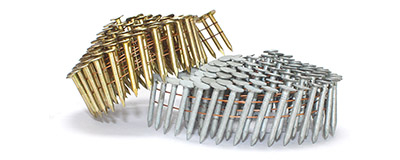
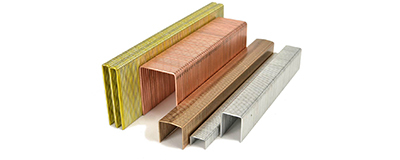
Vendor-Managed Inventory (VMI) is a system where the supplier manages a customer's stock levels. The partner analyzes usage data. They automatically replenish parts like industrial staples and coil nails, preventing stockouts and ensuring operational readiness.
How does a good supplier improve product design?
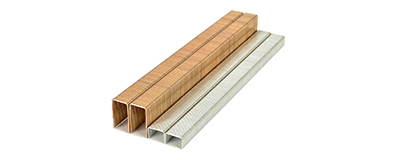
An expert supplier provides valuable engineering support. They recommend correct materials and fastener types, such as heavy wire staples for robust applications. This collaboration improves product performance, reduces assembly errors, and enhances overall manufacturing efficiency.
What makes a fastener supply chain resilient?
A resilient supply chain uses strategies like dual-sourcing and proactive inventory management. A dependable partner maintains a diverse network. This ensures a steady supply of components like carton staples and hog rings, even during market disruptions.