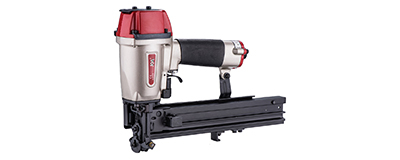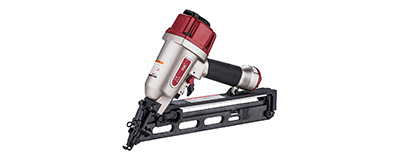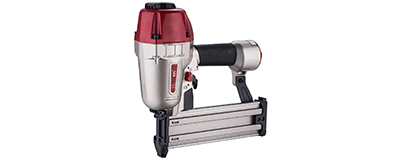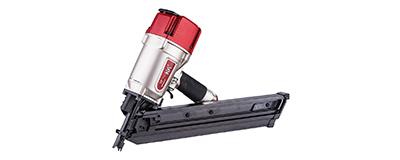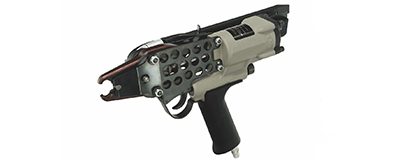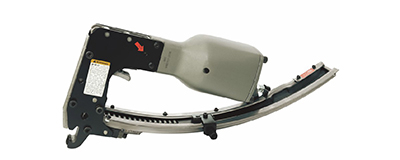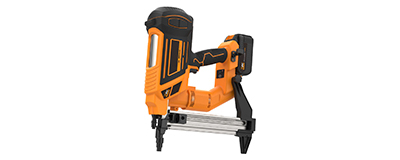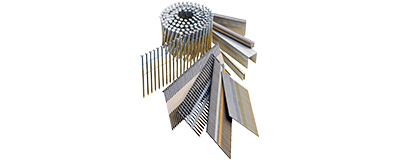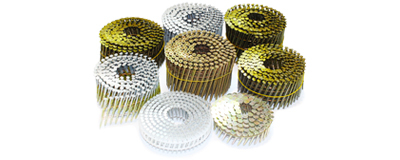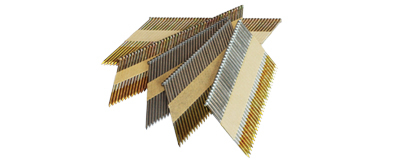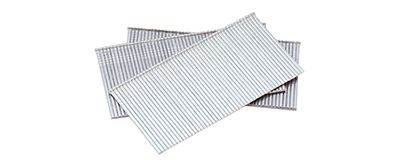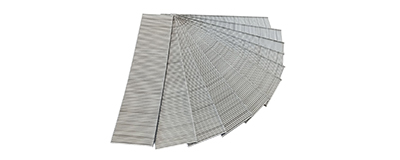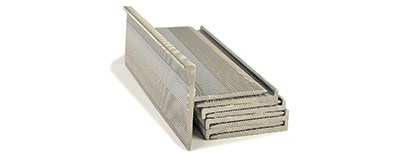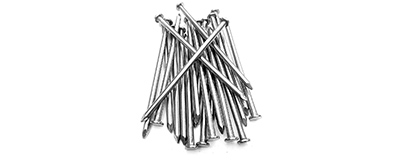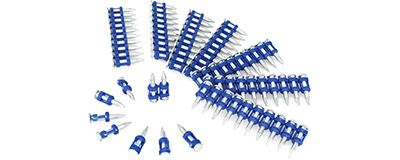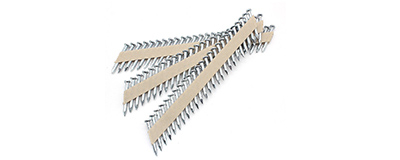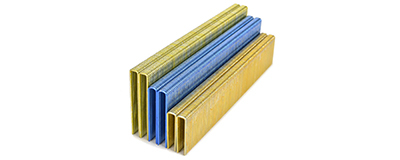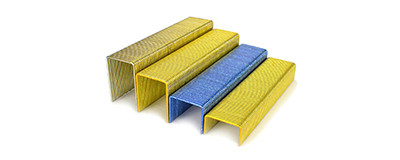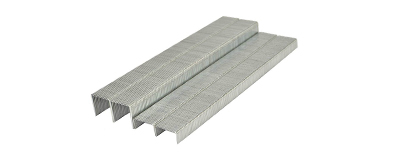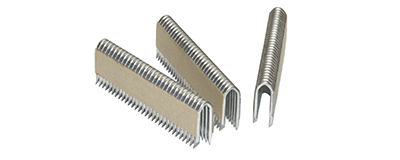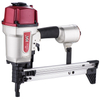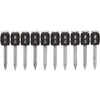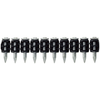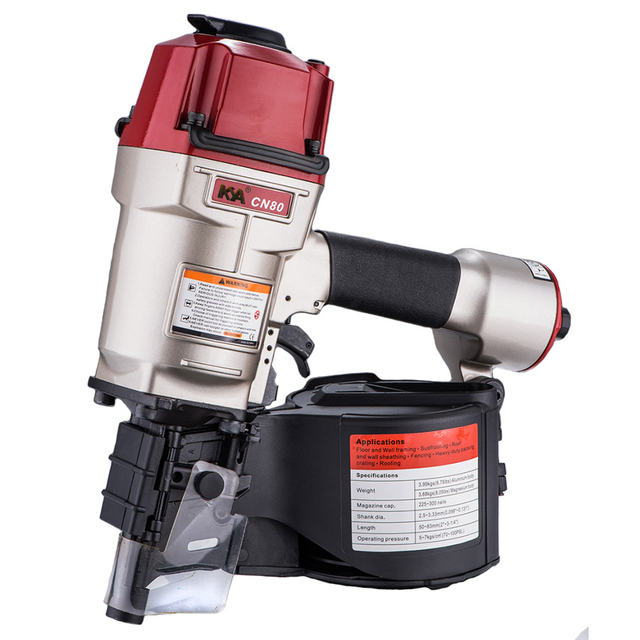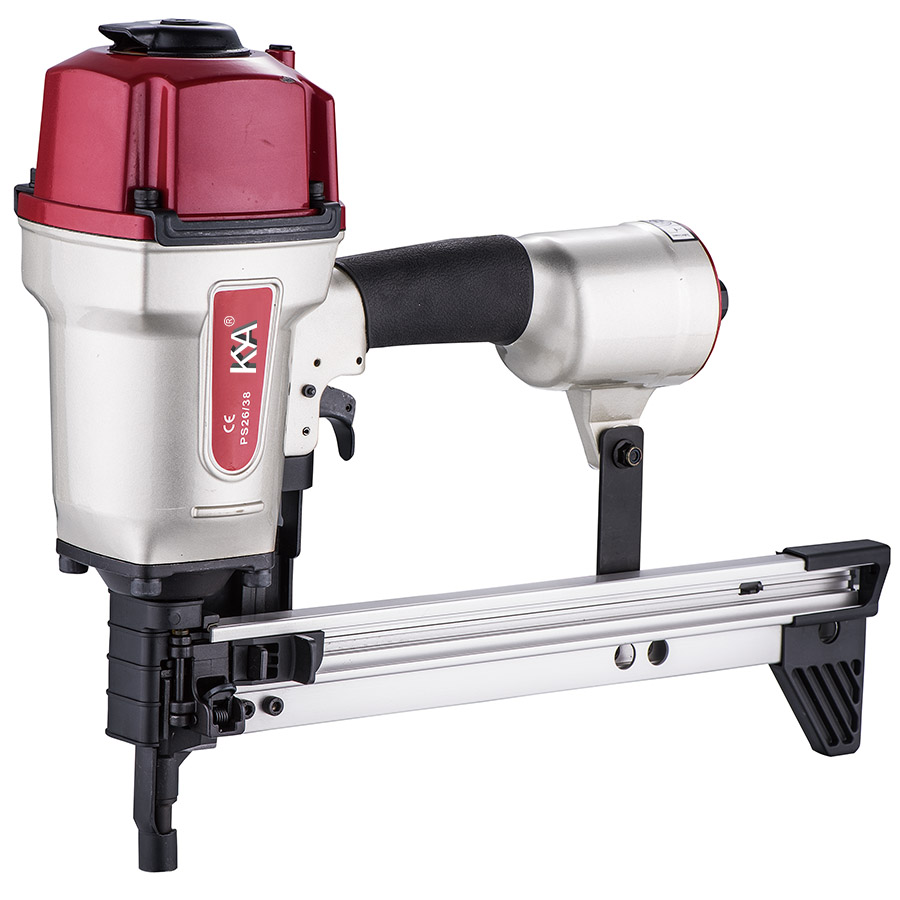
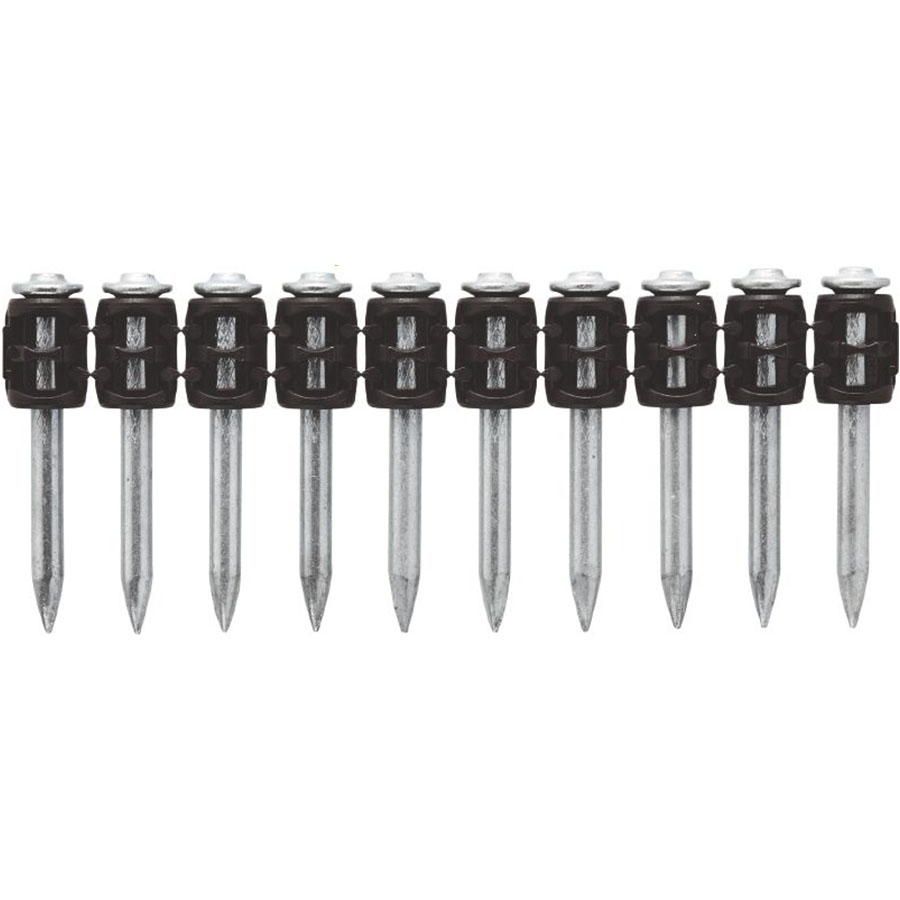
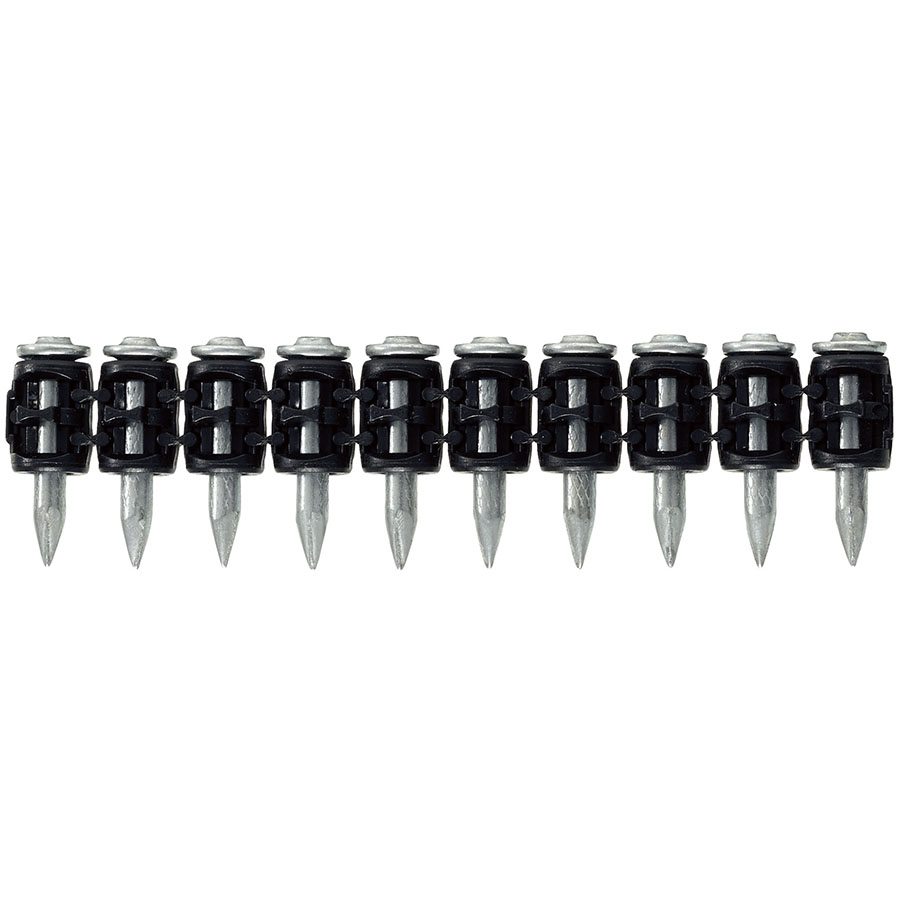
KYA PS26/38 is a pneumatic concrete nailer designed for fastening compatible wood components, steel track, lath and related construction materials to concrete, masonry block or steel substrates. It uses 0° concrete strip nails from approximately 12mm to 38mm long.
The PS26/38 features a high-capacity magazine holding approximately 250–400 fasteners, helping reduce reload frequency during repetitive installation work. The tool weighs approximately 3.3kg, measures 416 × 141 × 363mm and operates at approximately 80–120 PSI / 5.5–8.3 bar.
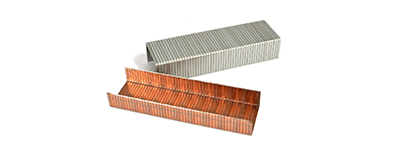
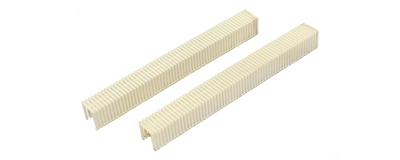
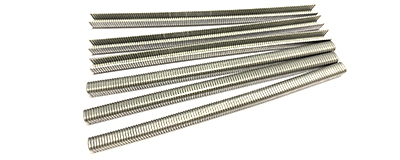
Compatible 0° concrete strip nails are specified for lengths from 12–38mm, a nominal head diameter of approximately 6.4mm and shank sizes that vary by nail configuration. Confirm the exact nail drawing, point, strip geometry and substrate suitability before bulk use.
| Specification | Details |
| Model | PS26/38 / KYA-PS26/38 |
| Tool Type | Pneumatic Concrete Nailer |
| Fastener Type | 0° Concrete Strip Nails |
| Nail Length Range | 12–38mm / 1/2"–1-1/2" |
| Listed Shank Range | Approx. 2.6–4.1mm Depending on Nail Configuration |
| Nominal Head Diameter | Approx. 6.4mm / 0.25" |
| Magazine Capacity | Approx. 250–400 Nails |
| Operating Pressure | 80–120 PSI / Approx. 5.5–8.3 bar |
| Net Weight | Approx. 3.3kg / 7.27lbs |
| Tool Dimensions | Approx. 416 × 141 × 363mm |
| Housing | Aluminum Body |
| Power Source | Compressed Air |
| Exhaust | 360° Adjustable Exhaust |
| Typical Applications | Furring Strips, Steel Track, Wire Lath, Plywood to Concrete or Block, Selected Wood-to-Concrete and Wood-to-Steel Fastening |
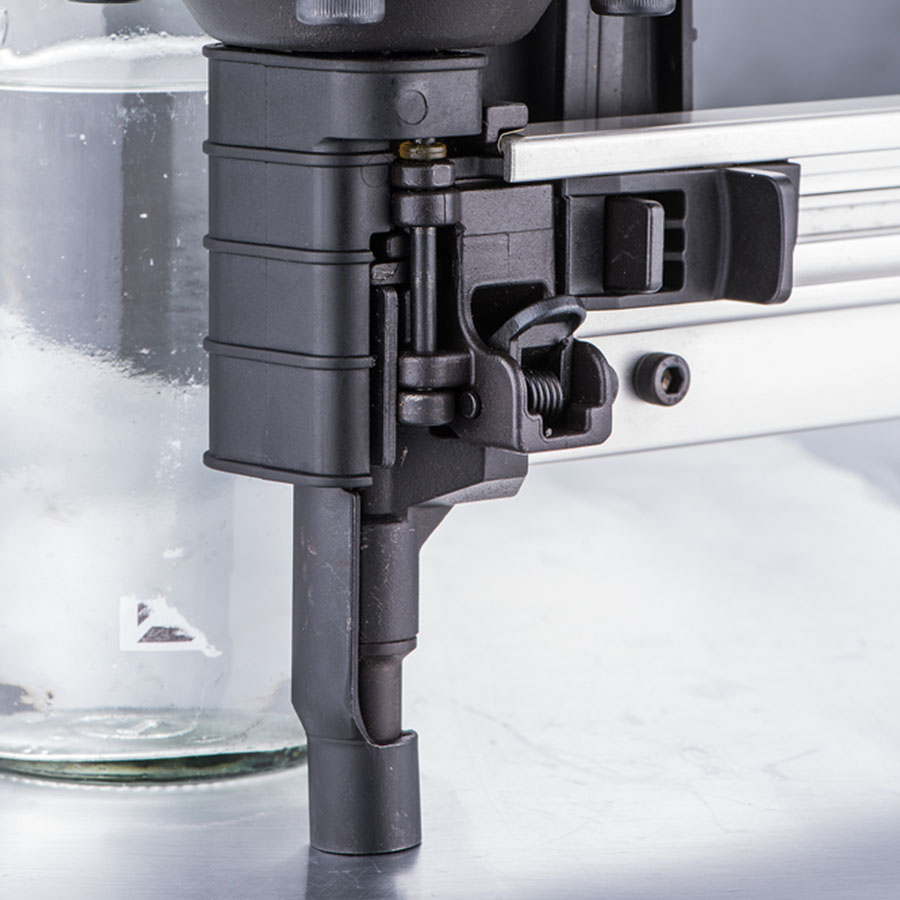
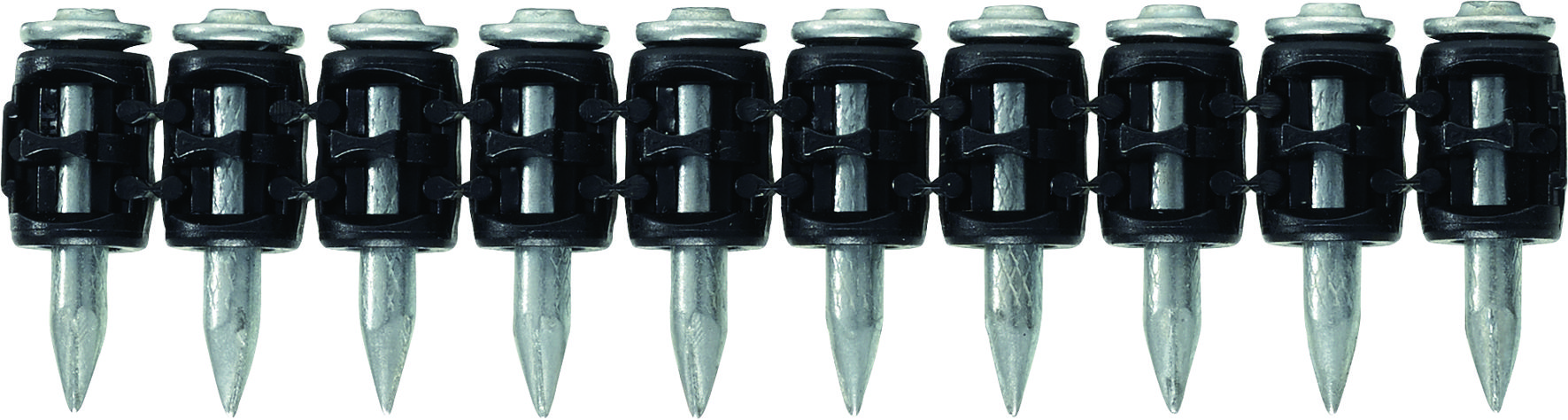
The PS26/38 uses a 0° strip-collated concrete nail system rather than conventional framing nails, brad nails or standard T-nails. The fastener strip, nail head, shank diameter and driver geometry must match the tool magazine and nose.
Do not select replacement concrete nails by length alone. Confirm the strip angle, head diameter, shank dimensions, point design and collation before changing fastener suppliers.
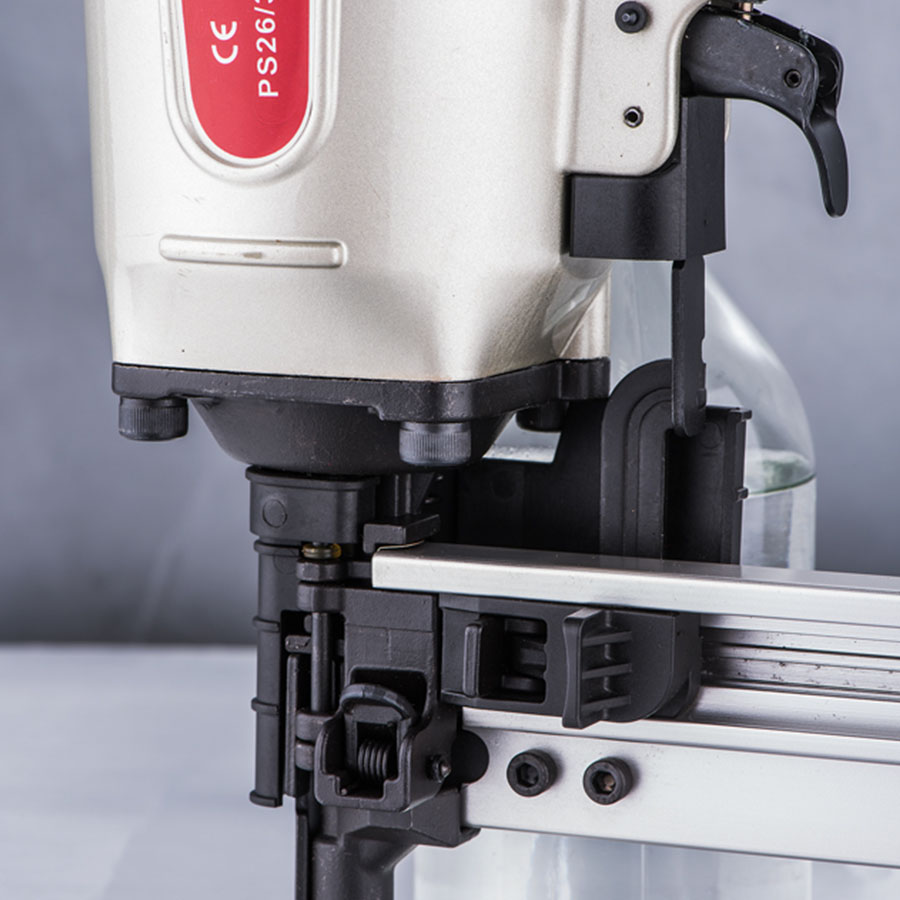
The PS26/38 accepts compatible concrete strip nails from approximately 12mm to 38mm long. Different lengths allow the installer to match the fastener to the thickness of the attached component and the required embedment into the receiving substrate.
Longer nails are not automatically suitable for every concrete or steel application. Concrete hardness, masonry density, steel thickness, edge distance and attached material thickness all affect fastener selection and installation performance.
The PS26/38 magazine holds approximately 250–400 compatible strip nails depending on the fastener configuration. This higher magazine capacity reduces reload frequency during repetitive concrete fastening work.
Keep the fastener strips straight and free from damage, and keep the magazine channel clean. Bent fasteners, damaged collation or incorrect strip geometry can cause feeding problems.
| Parameter | KYA PS26/38 | Common Straight-Magazine Air Concrete Nailer |
|---|---|---|
| Fastener System | 0° Concrete Strip Nails | Often Individual Steel Nails or Smaller Straight Strips |
| Nail Length | 12–38mm | Commonly Up to About 50–64mm Depending on Tool |
| Magazine Capacity | Approx. 250–400 Nails | Often Around 70–75 Nails |
| Operating Pressure | 80–120 PSI | Commonly Around 4–8 bar / 60–116 PSI |
| Primary Advantage | Reduced Reload Frequency for Repetitive Fastening | Often Supports Longer Individual Concrete Nails |
KYA lists an operating pressure of approximately 80–120 PSI / 5.5–8.3 bar for the PS26/38.
Use the lowest pressure that consistently achieves the required fastener seating. Concrete density, masonry composition, steel thickness, nail geometry and fastener length all affect penetration.
Do not exceed the tool's specified working pressure in an attempt to compensate for an unsuitable fastener or excessively hard substrate.
The PS26/38 is powered by compressed air and does not require a battery or gas fuel cell during operation.
A suitable compressor and air hose are required. Compressor capacity should be selected according to operating pressure, firing frequency and the number of pneumatic tools connected to the air system.
The adjustable exhaust allows discharged air to be directed away from the operator, workpiece and loose construction material.
Eye protection, hearing protection and normal jobsite safety controls should still be used according to the work environment.
The PS26/38 uses an aluminum body and weighs approximately 3.3kg / 7.27lbs. Its dimensions are approximately 416 × 141 × 363mm.
For repetitive installation work, tool weight should be considered together with hose routing, working height, operator position and fastening frequency.
The PS26/38 can be used to fasten compatible wood furring strips to concrete or masonry block where the selected concrete nail provides suitable penetration and holding performance.
Select fastener length according to the furring-strip thickness and required embedment. Maintain sufficient distance from concrete edges and corners to reduce the risk of substrate cracking or spalling.
The PS26/38 can be used for selected steel track and light steel component fastening to concrete, masonry block or compatible steel substrates when the correct concrete nail is specified.
Steel thickness and substrate hardness have a major effect on nail penetration. Confirm the fastener specification for the actual steel and base material before establishing production settings.
The PS26/38 can be used for selected wire lath fastening to concrete, block or compatible steel substrates where the fastener head and installation pattern provide adequate retention.
Stucco and lath systems can specify fastener material, head size, spacing, corrosion protection and minimum embedment. Follow the wall-system or lath manufacturer's requirements for the installation.
Plywood and timber components can be attached to concrete or masonry block with the PS26/38 when the selected nail length and base material are appropriate for the joint.
Applications can include selected formwork, temporary construction, backing and wood-to-masonry assembly. Verify holding requirements before using pneumatic concrete nails in load-critical work.
The PS26/38 may be used in selected decking, fencing or subfloor-related installations when the actual task involves fastening a compatible component to a concrete, masonry or steel substrate.
It should not be treated as a general decking, fencing or wood-subfloor nailer. Conventional wood-to-wood construction normally requires framing nails, screws, staples or other fasteners specified for that joint.
Wood furring strips to concrete or block
Steel track to concrete or compatible steel
Wire lath to concrete, block or steel
Plywood to concrete or masonry block
Selected formwork and temporary construction fastening
Backing strips and timber components to masonry
Selected steel banding or light steel fastening where specified
Other compatible wood-to-concrete, wood-to-block or material-to-steel applications
| Buyer Check | PS26/38 Reference |
|---|---|
| Fastener Type | 0° Concrete Strip Nails |
| Tool Nail Length Range | 12–38mm |
| Nominal Head Diameter | Approx. 6.4mm |
| Listed Shank Range | Approx. 2.6–4.1mm Depending on Nail Configuration |
| Strip Angle | 0° |
| Base Material | Confirm Concrete, Masonry Block or Steel Suitability |
| Attached Material | Confirm Thickness and Required Holding Performance |
| Corrosion Protection | Select According to Moisture Exposure and Project Requirements |
Concrete and masonry substrates vary considerably in compressive strength, aggregate composition, age and density. Steel substrates also vary in hardness and thickness. A fastener that works in one substrate may not provide the same penetration or holding performance in another.
Test the selected concrete nail on representative material before production. Avoid fastening too close to concrete edges or corners, and do not continue increasing air pressure if the nail or substrate is not suitable for the application.
| Issue | Possible Cause | Recommended Check |
|---|---|---|
| Air Leak at Cylinder Cap | Head valve seal, piston seal, O-ring or gasket wear | Disconnect the air supply, inspect the sealing components and replace worn or damaged parts according to the tool parts specification. |
| Air Leak at Trigger | Damaged trigger O-ring, contaminated valve or worn trigger stem | Disconnect the air supply, inspect and clean the trigger valve and replace worn sealing or valve components as required. |
| Repeated Nail Jams | Bent driver, incorrect fasteners, damaged strips, worn guide or magazine contamination | Confirm fastener geometry, remove damaged strips, clean the feed path and replace bent or worn driver and guide components. |
| Nail Does Not Seat Correctly | Incorrect nail, hard substrate, low air pressure or insufficient penetration | Verify the nail specification, substrate suitability and operating pressure. Test a different approved nail length or configuration if required. |
| Nail Bends During Driving | Unsuitable substrate, incorrect fastener geometry or excessive resistance | Stop fastening and verify the base material, nail type and installation specification rather than increasing pressure beyond the approved range. |
| Inconsistent Feeding | Damaged collation, incorrect strip geometry or dirty magazine | Use correctly collated 0° strips and keep the magazine channel clean. |
Always disconnect the compressed-air supply before loading, clearing jams, inspecting the magazine, opening the tool or servicing internal components.
KYA supplies pneumatic concrete nailers and compatible concrete fasteners for construction contractors, interior framing installers, lathing contractors, woodworking operations, tool dealers and industrial fastener distributors.
For bulk purchasing, provide the required tool quantity, concrete nail size, base material, attached material, application and compressed-air conditions. If replacing another concrete nailer or fastener system, include the current tool model and fastener dimensions for compatibility checking.
KYA has manufactured fastening tools since 2003, with more than 20 years of manufacturing experience. The company exports to more than 50 countries, including the USA, Canada, the UK and Australia.
Shipping to the USA, EU, Australia and Canada is typically 20–30 days. Confirm the delivery schedule for the destination and order before purchase.
Warranty: 1 year. OEM options include custom color, logo and packaging. Minimum order quantity: 50 units.
KYA supplies pneumatic concrete nailers for furring, lathing, steel track, plywood, construction and other compatible fastening to concrete, masonry or steel substrates.
The PS26/38 uses compatible 0° concrete strip nails from approximately 12mm to 38mm long.
The tool is listed for compatible concrete strip nails from approximately 12mm / 1/2 inch to 38mm / 1-1/2 inches.
KYA lists a nominal head diameter of approximately 6.4mm for the compatible nail system.
Compatible 0° concrete strip nails are specified with shank dimensions of approximately 2.6–4.1mm, depending on the nail configuration. Confirm the exact nail drawing before replacing fasteners.
The magazine is listed for approximately 250–400 nails depending on the fastener configuration.
The PS26/38 has substantially higher capacity than many conventional straight-magazine pneumatic concrete nailers, but magazine capacity varies by fastener system and tool design. Compare compatible fasteners as well as capacity when evaluating tools.
KYA lists an operating pressure of approximately 80–120 PSI / 5.5–8.3 bar.
The listed net tool weight is approximately 3.3kg / 7.27lbs.
The listed dimensions are approximately 416 × 141 × 363mm.
No. The PS26/38 is powered by compressed air. A suitable compressor and air supply are required.
Yes. Furring strips, plywood and other compatible wood components can be fastened to suitable concrete or masonry substrates when the correct concrete nail is selected.
It can be used for selected steel track fastening where the nail specification, concrete strength and track thickness are compatible with the tool and fastener system.
Selected concrete nails can be used with compatible steel substrates, but steel hardness and thickness strongly affect penetration. Confirm the fastener specification for the actual steel before use.
Yes, for selected wire-lath installations where the fastener head, nail length, substrate and fastening pattern meet the lath-system requirements.
Only where the task involves fastening a compatible decking-related component to concrete, masonry or steel. It is not a general replacement for wood-to-wood decking nailers or decking screws.
It can be used in selected fencing installations where a component must be fastened to concrete, masonry or compatible steel. Conventional wood-to-wood fencing normally uses another fastening system.
No. Nail length alone does not determine compatibility. The fastener must also match the 0° strip format, head diameter, shank dimensions, point design and magazine geometry.
Common causes include a nail that is not matched to the substrate, very hard aggregate, unsuitable steel thickness, insufficient fastener hardness or incorrect nail geometry. Verify the fastener and base material rather than simply increasing air pressure.
Common causes include bent nails, damaged strip collation, incorrect fastener geometry, debris in the magazine, a damaged driver or worn guide components.
Provide the required tool quantity, concrete nail dimensions, base material, attached material, application and compressed-air conditions. If replacing another tool or nail system, include the existing tool model and fastener drawing or dimensions.
KYA PS26/38 is a pneumatic concrete nailer designed for fastening compatible wood components, steel track, lath and related construction materials to concrete, masonry block or steel substrates. It uses 0° concrete strip nails from approximately 12mm to 38mm long.
The PS26/38 features a high-capacity magazine holding approximately 250–400 fasteners, helping reduce reload frequency during repetitive installation work. The tool weighs approximately 3.3kg, measures 416 × 141 × 363mm and operates at approximately 80–120 PSI / 5.5–8.3 bar.
Compatible 0° concrete strip nails are specified for lengths from 12–38mm, a nominal head diameter of approximately 6.4mm and shank sizes that vary by nail configuration. Confirm the exact nail drawing, point, strip geometry and substrate suitability before bulk use.
| Specification | Details |
| Model | PS26/38 / KYA-PS26/38 |
| Tool Type | Pneumatic Concrete Nailer |
| Fastener Type | 0° Concrete Strip Nails |
| Nail Length Range | 12–38mm / 1/2"–1-1/2" |
| Listed Shank Range | Approx. 2.6–4.1mm Depending on Nail Configuration |
| Nominal Head Diameter | Approx. 6.4mm / 0.25" |
| Magazine Capacity | Approx. 250–400 Nails |
| Operating Pressure | 80–120 PSI / Approx. 5.5–8.3 bar |
| Net Weight | Approx. 3.3kg / 7.27lbs |
| Tool Dimensions | Approx. 416 × 141 × 363mm |
| Housing | Aluminum Body |
| Power Source | Compressed Air |
| Exhaust | 360° Adjustable Exhaust |
| Typical Applications | Furring Strips, Steel Track, Wire Lath, Plywood to Concrete or Block, Selected Wood-to-Concrete and Wood-to-Steel Fastening |
The PS26/38 uses a 0° strip-collated concrete nail system rather than conventional framing nails, brad nails or standard T-nails. The fastener strip, nail head, shank diameter and driver geometry must match the tool magazine and nose.
Do not select replacement concrete nails by length alone. Confirm the strip angle, head diameter, shank dimensions, point design and collation before changing fastener suppliers.
The PS26/38 accepts compatible concrete strip nails from approximately 12mm to 38mm long. Different lengths allow the installer to match the fastener to the thickness of the attached component and the required embedment into the receiving substrate.
Longer nails are not automatically suitable for every concrete or steel application. Concrete hardness, masonry density, steel thickness, edge distance and attached material thickness all affect fastener selection and installation performance.
The PS26/38 magazine holds approximately 250–400 compatible strip nails depending on the fastener configuration. This higher magazine capacity reduces reload frequency during repetitive concrete fastening work.
Keep the fastener strips straight and free from damage, and keep the magazine channel clean. Bent fasteners, damaged collation or incorrect strip geometry can cause feeding problems.
| Parameter | KYA PS26/38 | Common Straight-Magazine Air Concrete Nailer |
|---|---|---|
| Fastener System | 0° Concrete Strip Nails | Often Individual Steel Nails or Smaller Straight Strips |
| Nail Length | 12–38mm | Commonly Up to About 50–64mm Depending on Tool |
| Magazine Capacity | Approx. 250–400 Nails | Often Around 70–75 Nails |
| Operating Pressure | 80–120 PSI | Commonly Around 4–8 bar / 60–116 PSI |
| Primary Advantage | Reduced Reload Frequency for Repetitive Fastening | Often Supports Longer Individual Concrete Nails |
KYA lists an operating pressure of approximately 80–120 PSI / 5.5–8.3 bar for the PS26/38.
Use the lowest pressure that consistently achieves the required fastener seating. Concrete density, masonry composition, steel thickness, nail geometry and fastener length all affect penetration.
Do not exceed the tool's specified working pressure in an attempt to compensate for an unsuitable fastener or excessively hard substrate.
The PS26/38 is powered by compressed air and does not require a battery or gas fuel cell during operation.
A suitable compressor and air hose are required. Compressor capacity should be selected according to operating pressure, firing frequency and the number of pneumatic tools connected to the air system.
The adjustable exhaust allows discharged air to be directed away from the operator, workpiece and loose construction material.
Eye protection, hearing protection and normal jobsite safety controls should still be used according to the work environment.
The PS26/38 uses an aluminum body and weighs approximately 3.3kg / 7.27lbs. Its dimensions are approximately 416 × 141 × 363mm.
For repetitive installation work, tool weight should be considered together with hose routing, working height, operator position and fastening frequency.
The PS26/38 can be used to fasten compatible wood furring strips to concrete or masonry block where the selected concrete nail provides suitable penetration and holding performance.
Select fastener length according to the furring-strip thickness and required embedment. Maintain sufficient distance from concrete edges and corners to reduce the risk of substrate cracking or spalling.
The PS26/38 can be used for selected steel track and light steel component fastening to concrete, masonry block or compatible steel substrates when the correct concrete nail is specified.
Steel thickness and substrate hardness have a major effect on nail penetration. Confirm the fastener specification for the actual steel and base material before establishing production settings.
The PS26/38 can be used for selected wire lath fastening to concrete, block or compatible steel substrates where the fastener head and installation pattern provide adequate retention.
Stucco and lath systems can specify fastener material, head size, spacing, corrosion protection and minimum embedment. Follow the wall-system or lath manufacturer's requirements for the installation.
Plywood and timber components can be attached to concrete or masonry block with the PS26/38 when the selected nail length and base material are appropriate for the joint.
Applications can include selected formwork, temporary construction, backing and wood-to-masonry assembly. Verify holding requirements before using pneumatic concrete nails in load-critical work.
The PS26/38 may be used in selected decking, fencing or subfloor-related installations when the actual task involves fastening a compatible component to a concrete, masonry or steel substrate.
It should not be treated as a general decking, fencing or wood-subfloor nailer. Conventional wood-to-wood construction normally requires framing nails, screws, staples or other fasteners specified for that joint.
Wood furring strips to concrete or block
Steel track to concrete or compatible steel
Wire lath to concrete, block or steel
Plywood to concrete or masonry block
Selected formwork and temporary construction fastening
Backing strips and timber components to masonry
Selected steel banding or light steel fastening where specified
Other compatible wood-to-concrete, wood-to-block or material-to-steel applications
| Buyer Check | PS26/38 Reference |
|---|---|
| Fastener Type | 0° Concrete Strip Nails |
| Tool Nail Length Range | 12–38mm |
| Nominal Head Diameter | Approx. 6.4mm |
| Listed Shank Range | Approx. 2.6–4.1mm Depending on Nail Configuration |
| Strip Angle | 0° |
| Base Material | Confirm Concrete, Masonry Block or Steel Suitability |
| Attached Material | Confirm Thickness and Required Holding Performance |
| Corrosion Protection | Select According to Moisture Exposure and Project Requirements |
Concrete and masonry substrates vary considerably in compressive strength, aggregate composition, age and density. Steel substrates also vary in hardness and thickness. A fastener that works in one substrate may not provide the same penetration or holding performance in another.
Test the selected concrete nail on representative material before production. Avoid fastening too close to concrete edges or corners, and do not continue increasing air pressure if the nail or substrate is not suitable for the application.
| Issue | Possible Cause | Recommended Check |
|---|---|---|
| Air Leak at Cylinder Cap | Head valve seal, piston seal, O-ring or gasket wear | Disconnect the air supply, inspect the sealing components and replace worn or damaged parts according to the tool parts specification. |
| Air Leak at Trigger | Damaged trigger O-ring, contaminated valve or worn trigger stem | Disconnect the air supply, inspect and clean the trigger valve and replace worn sealing or valve components as required. |
| Repeated Nail Jams | Bent driver, incorrect fasteners, damaged strips, worn guide or magazine contamination | Confirm fastener geometry, remove damaged strips, clean the feed path and replace bent or worn driver and guide components. |
| Nail Does Not Seat Correctly | Incorrect nail, hard substrate, low air pressure or insufficient penetration | Verify the nail specification, substrate suitability and operating pressure. Test a different approved nail length or configuration if required. |
| Nail Bends During Driving | Unsuitable substrate, incorrect fastener geometry or excessive resistance | Stop fastening and verify the base material, nail type and installation specification rather than increasing pressure beyond the approved range. |
| Inconsistent Feeding | Damaged collation, incorrect strip geometry or dirty magazine | Use correctly collated 0° strips and keep the magazine channel clean. |
Always disconnect the compressed-air supply before loading, clearing jams, inspecting the magazine, opening the tool or servicing internal components.
KYA supplies pneumatic concrete nailers and compatible concrete fasteners for construction contractors, interior framing installers, lathing contractors, woodworking operations, tool dealers and industrial fastener distributors.
For bulk purchasing, provide the required tool quantity, concrete nail size, base material, attached material, application and compressed-air conditions. If replacing another concrete nailer or fastener system, include the current tool model and fastener dimensions for compatibility checking.
KYA has manufactured fastening tools since 2003, with more than 20 years of manufacturing experience. The company exports to more than 50 countries, including the USA, Canada, the UK and Australia.
Shipping to the USA, EU, Australia and Canada is typically 20–30 days. Confirm the delivery schedule for the destination and order before purchase.
Warranty: 1 year. OEM options include custom color, logo and packaging. Minimum order quantity: 50 units.
KYA supplies pneumatic concrete nailers for furring, lathing, steel track, plywood, construction and other compatible fastening to concrete, masonry or steel substrates.
The PS26/38 uses compatible 0° concrete strip nails from approximately 12mm to 38mm long.
The tool is listed for compatible concrete strip nails from approximately 12mm / 1/2 inch to 38mm / 1-1/2 inches.
KYA lists a nominal head diameter of approximately 6.4mm for the compatible nail system.
Compatible 0° concrete strip nails are specified with shank dimensions of approximately 2.6–4.1mm, depending on the nail configuration. Confirm the exact nail drawing before replacing fasteners.
The magazine is listed for approximately 250–400 nails depending on the fastener configuration.
The PS26/38 has substantially higher capacity than many conventional straight-magazine pneumatic concrete nailers, but magazine capacity varies by fastener system and tool design. Compare compatible fasteners as well as capacity when evaluating tools.
KYA lists an operating pressure of approximately 80–120 PSI / 5.5–8.3 bar.
The listed net tool weight is approximately 3.3kg / 7.27lbs.
The listed dimensions are approximately 416 × 141 × 363mm.
No. The PS26/38 is powered by compressed air. A suitable compressor and air supply are required.
Yes. Furring strips, plywood and other compatible wood components can be fastened to suitable concrete or masonry substrates when the correct concrete nail is selected.
It can be used for selected steel track fastening where the nail specification, concrete strength and track thickness are compatible with the tool and fastener system.
Selected concrete nails can be used with compatible steel substrates, but steel hardness and thickness strongly affect penetration. Confirm the fastener specification for the actual steel before use.
Yes, for selected wire-lath installations where the fastener head, nail length, substrate and fastening pattern meet the lath-system requirements.
Only where the task involves fastening a compatible decking-related component to concrete, masonry or steel. It is not a general replacement for wood-to-wood decking nailers or decking screws.
It can be used in selected fencing installations where a component must be fastened to concrete, masonry or compatible steel. Conventional wood-to-wood fencing normally uses another fastening system.
No. Nail length alone does not determine compatibility. The fastener must also match the 0° strip format, head diameter, shank dimensions, point design and magazine geometry.
Common causes include a nail that is not matched to the substrate, very hard aggregate, unsuitable steel thickness, insufficient fastener hardness or incorrect nail geometry. Verify the fastener and base material rather than simply increasing air pressure.
Common causes include bent nails, damaged strip collation, incorrect fastener geometry, debris in the magazine, a damaged driver or worn guide components.
Provide the required tool quantity, concrete nail dimensions, base material, attached material, application and compressed-air conditions. If replacing another tool or nail system, include the existing tool model and fastener drawing or dimensions.